Finding a scorpion inside your home is enough to make anyone’s heart skip a beat. If you’ve just spotted one scurrying across your tile or found one in your laundry, your immediate question is likely: Is this thing dangerous?
Living in the Las Vegas Valley, we share our desert environment with several scorpion species. While all scorpions carry venom, knowing exactly what you are dealing with makes all the difference when protecting your family and pets.
Here is what you need to know about the scorpions in our area, how to spot the dangerous ones, and what to do if you find them in your home.
The Short Answer: Dangerous? Yes. Lethal? Rarely.
To put your mind at ease right away: Scorpion stings in Las Vegas are almost never lethal. Thanks to modern medicine, antivenom, and readily available emergency care, a fatal sting from a local scorpion is incredibly rare.
However, "not lethal" doesn’t mean "harmless." A sting from the wrong species can cause severe pain and systemic medical issues, especially for young children, the elderly, or family pets.
Know Your Scorpions: The Big Three in Las Vegas
The level of danger depends entirely on which species has made its way inside. In Southern Nevada, we primarily encounter three types of scorpions:
1. The Arizona Bark Scorpion (The One to Watch Out For)
This is the only species in our area considered medically significant.
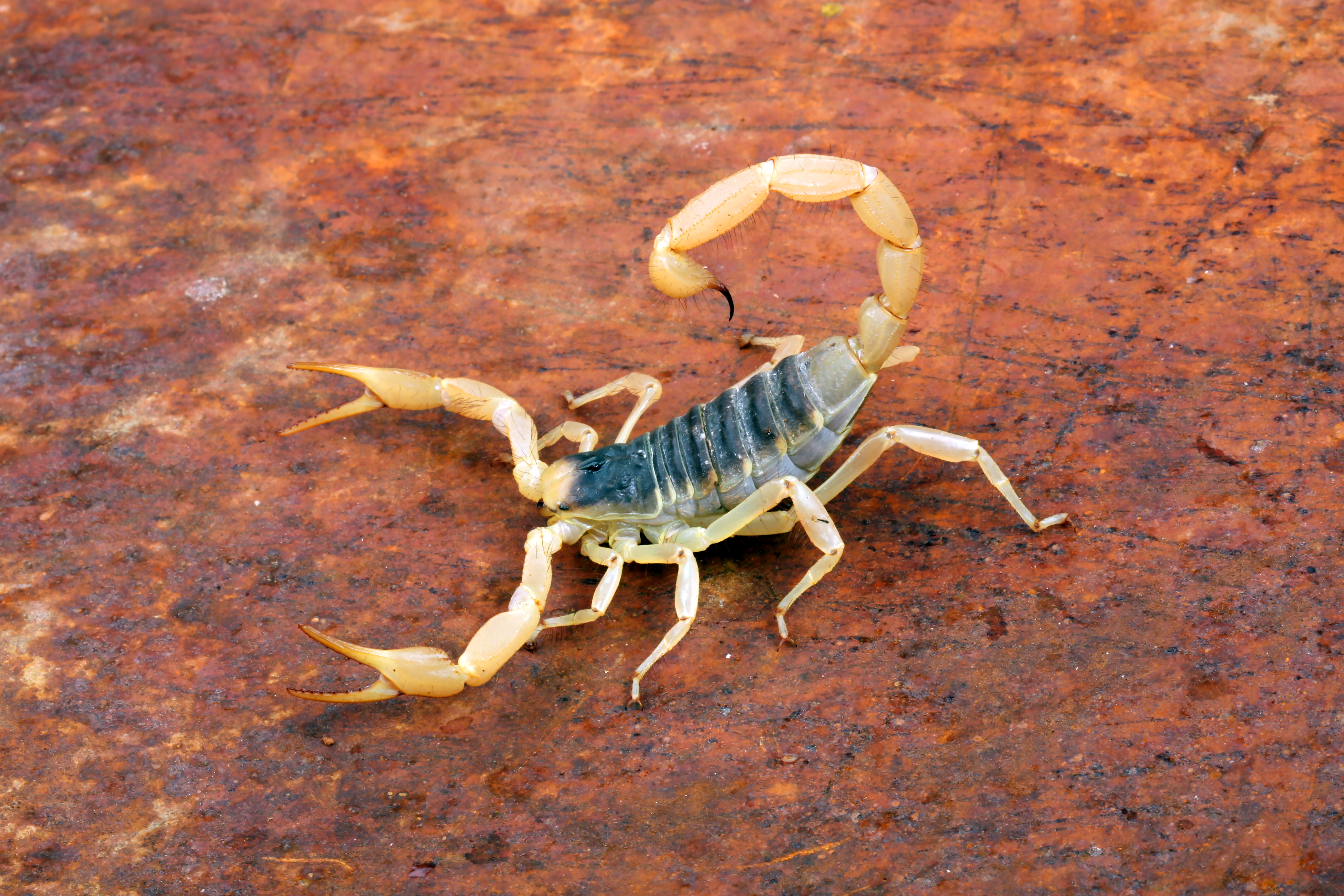
Appearance: Small and slender, typically 2 to 3 inches long. They are a uniform light tan or yellowish color without stripes.
Behavior: Unlike other species, they are excellent climbers. If you find a scorpion on a wall, a ceiling, or inside a piece of clothing, it is almost certainly a Bark Scorpion. They also love to hide under the bark of trees (especially palm trees) and inside river rock landscaping.
The Threat: Their venom is a potent neurotoxin. A sting causes intense, radiating pain, numbness, tingling, and sometimes temporary muscle twitching. While healthy adults usually recover at home with ice and over-the-counter pain relief, children and small pets can have severe reactions (difficulty breathing, rapid eye movements) and require immediate medical attention.
2. The Desert Hairy Scorpion
This is the largest scorpion in North America, and while it looks terrifying, its bark is worse than its bite.
Appearance: Massive by comparison, growing up to 4 to 6 inches long. They have a stocky, dark body with lighter, yellowish legs and pincers, and they are covered in small, brown hairs.
Behavior: They are burrowers. They prefer to stay on the ground, digging deep into the desert soil. If they get inside, they are usually trapped on the floor.
The Threat: Low. Despite their intimidating size, their venom is mild. A sting is often compared to a severe bee or wasp sting—painful and swollen for a few hours, but not dangerous unless you happen to have a rare allergic reaction.
3. The Stripe-Tailed Scorpion
This is a incredibly common ground-dweller that frequently wanders into homes through gaps under doors.
Appearance: Medium-sized (about 2 inches long) and robust. You can identify them by the dark stripes running down the top of their tail and back.
Behavior: Like the Desert Hairy, they prefer staying on the ground under rocks, debris, or door thresholds.
The Threat: Low. Their sting is painful but local. The discomfort typically fades quickly and doesn't pose a serious medical risk.
What Happens if You or a Pet Gets Stung?
If the unthinkable happens, try to stay calm. Panic increases your heart rate, which pumps the venom through your system faster.
First Aid for Adults: Wash the area with soap and water, apply a cold compress for 10 minutes at a time to reduce swelling, and take an over-the-counter pain reliever. Monitor your symptoms closely.
When to Seek Emergency Medical Care:
Children and the Elderly: Always seek medical attention immediately if a child or elderly family member is stung, as their smaller body masses and weaker immune systems put them at higher risk for severe neurotoxic reactions.
Systemic Symptoms: If you experience blurred vision, slurred speech, difficulty swallowing, numbness spreading across your body, or muscle twitching, go to an urgent care or emergency room.
Your Pets: Small dogs and cats are highly susceptible to Bark Scorpion venom. If your pet is limping, whining, drooling heavily, or shaking, get them to an emergency vet right away.
Why are They Inside Your House?
Scorpions don't enter your home because they want to hang out with you—they are looking for two things: moisture and food.
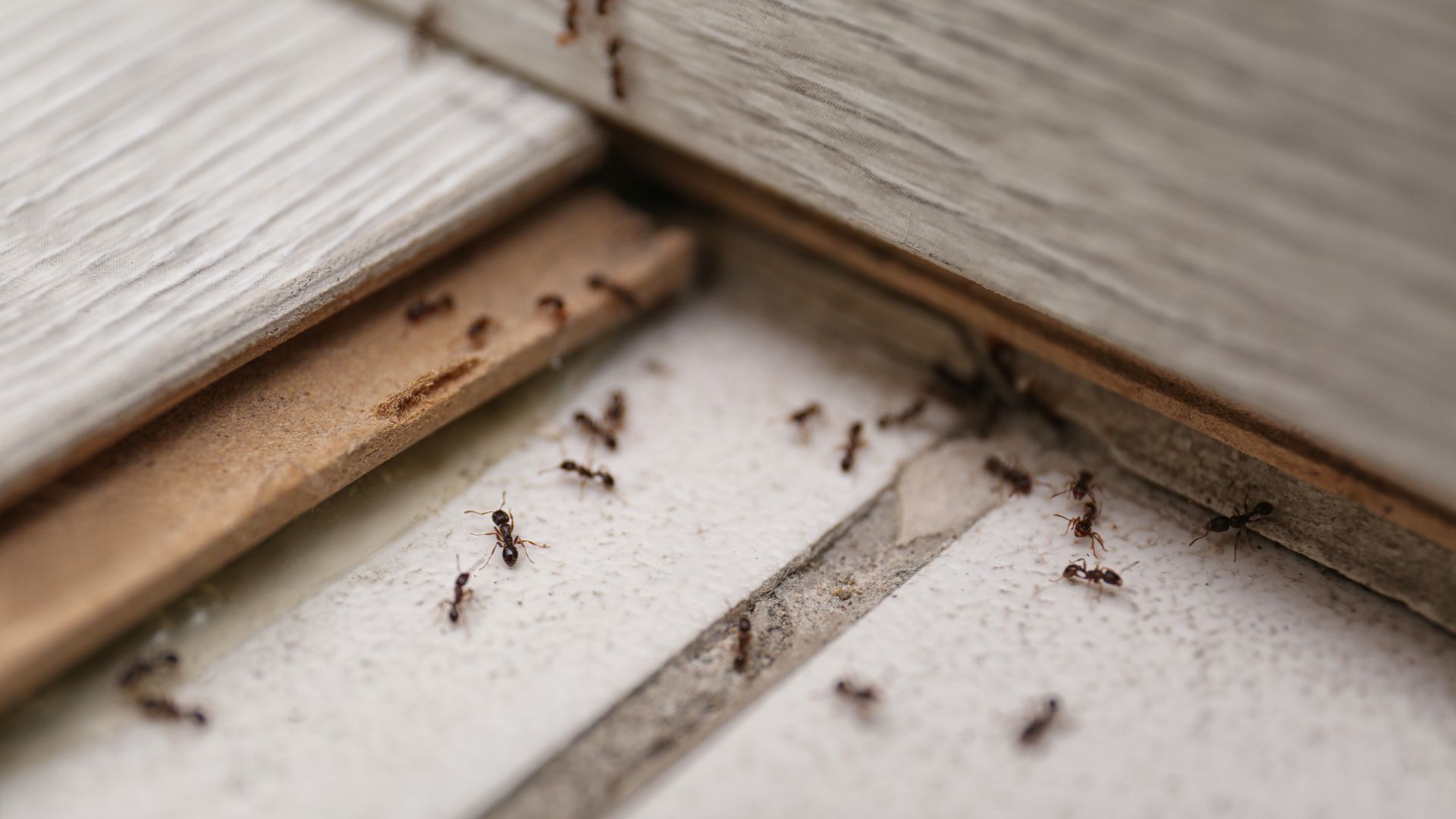
During the scorching Las Vegas summer, scorpions seek out cooler, shaded environments. Our air-conditioned homes are a paradise. Furthermore, if your home has an underlying pest issue—like crickets, roaches, or beetles—you are essentially providing an all-you-can-eat buffet for scorpions.
How to Keep Scorpions Out for Good
Because scorpions can squeeze through a gap as thin as a credit card, standard DIY bug sprays from the big-box stores rarely do the trick. True scorpion control requires a professional, multi-layered approach:
Detailed Exclusion: Sealing the gaps around entry doors, garage doors, utility pipes, and weep holes that scorpions use to breach your perimeter.
Targeted Barriers: Applying professional-grade products that create a residual barrier scorpions cannot cross.
Food Source Elimination: Eliminating the crickets, roaches, and other insects that serve as their primary food source.
If you are seeing scorpions in or around your property, you don’t have to just live with the anxiety. Give us a call at Anderson Pest Control. With over 25 years of desert pest management experience right here in Southern Nevada, we know exactly how to flush them out and keep them out so your family can sleep soundly.
Call today (702) 656-8898…because smart pests require smart service! You deserve a local, family owned company small enough to care, large enough to serve. You are making the best choice to protect what you value most—health, family and home from unwanted scorpions.