Mosquito Control in Las Vegas & Southern Nevada: The Ultimate Resource Guide
Introduction to Southern Nevada Mosquitoes & Climate Dynamics
The Las Vegas Desert Oasis and Mosquito Ecology
When people think of Las Vegas, they picture glittering neon lights, desert sunshine, and dry summer heat. Yet beneath this arid reputation lies a thriving urban oasis. Subdivisions, golf courses, green parks, and backyard swimming pools create microclimates where moisture and humidity concentrate.
Mosquitoes are adaptable survivors. While they require standing water to complete their life cycle—from egg to larva, pupa, and adult—they do not need vast wetlands or swamps to flourish. A single over-watered lawn, a clogged rain gutter, a neglected birdbath, or the damp mulch bed beneath your desert shade trees provides all the moisture required for prolific breeding.
Understanding local mosquito ecology is the first step toward reclaiming your outdoor living space. At Anderson Pest Control, our 26 years of localized industry experience across Clark County ensures we understand how desert heat, monsoon humidity, and residential irrigation systems interact to drive pest pressures throughout the Las Vegas Valley.
Species Spotlight – The Invasive Aedes aegypti in Las Vegas
Not all mosquitoes are alike. While nuisance mosquitoes have always been part of the southern Nevada landscape, recent years have seen the establishment of invasive container-breeding species, most notably Aedes aegypti.
Key Characteristics of Aedes aegypti:
- Daytime Biters: Unlike native mosquitoes that prefer dawn and dusk, Aedes aegypti is an aggressive daytime feeder, often biting ankles and legs in the mid-afternoon.
- Micro-Breeders: They do not need large ponds or marshes. They readily deposit eggs on the damp inner walls of tiny water-holding containers—such as plant saucers, discarded bottle caps, bucket rims, and pet water bowls.
- Urban Adaptation: They live in close proximity to humans, rarely traveling more than a few hundred feet from where they hatched, meaning the source of your backyard mosquito problem is almost always right in your own yard (or your immediate neighbor's).
Native Las Vegas Mosquito Species & Behavior
In addition to invasive container breeders, Southern Nevada is home to native species belonging primarily to the Culex genus.
- The Culex Mosquito: These are nocturnal and crepuscular (active at dawn and dusk). They are larger than Aedes and are notorious for breeding in larger bodies of standing water, poorly maintained swimming pools, unmaintained decorative ponds, and agricultural runoff ditches.
- Overwintering Habits: As temperatures drop in late autumn, adult female Culex mosquitoes enter diapause (a state of metabolic dormancy) hiding in warm, protected microclimates like storm drains, crawl spaces, and dense vegetation, ready to re-emerge the moment spring temperatures rise.
How Desert Microclimates Fuel Pest Pressures
Las Vegas is characterized by extreme temperature fluctuations and low ambient humidity. However, residential landscaping alters these conditions dramatically:
- Irrigation Runoff: Daily automated sprinkler cycles keep topsoil damp and create shaded, humid pockets underneath shrubs, ground cover, and turfgrass.
- The Urban Heat Island Effect: Paved surfaces, concrete block walls, and asphalt retain heat well into the night, extending the active breeding season far beyond what is typical for rural desert regions.
- Monsoon Season Humidity: Late-summer monsoon storms bring sudden downpours and elevated humidity spikes, triggering explosive hatching events across the valley.
Seasonal Progression of Mosquitoes in Southern Nevada
To effectively manage mosquitoes, you must anticipate their seasonal lifecycle:
- Spring Awakening (March – April): Rising temperatures awaken overwintering adults. Surveillance traps deployed by health authorities record early-season activity.
- Summer Peak (May – August): Intense heat combined with heavy residential irrigation drives peak breeding cycles and maximum outdoor pest pressure.
- Fall Transition (September – November): Warm autumns keep populations active well into October and November, requiring extended barrier and trapping protocols.
The In2Care Program – Advanced Sustainable Control
Overview of the Revolutionary In2Care Mosquito Trap System
Traditional spraying targets adult mosquitoes in flight, but it often misses hidden breeding sites. Anderson Pest Control utilizes the cutting-edge In2Care® Mosquito Trap, an advanced "auto-dissemination" station that turns foraging mosquitoes into active participants in population control.
- How It Works: Female mosquitoes are lured into the open station by an attractive odor-infused water bath. Once inside, they land on a floating mesh treated with biological larvicide and adulticide powders.
- The Dual Action: The mosquito picks up harmless biological agents on her body and carries them away, contaminating multiple surrounding breeding sites that technicians cannot physically reach.
The Science of Auto-Dissemination & Biological Larvicides
The secret to the In2Care system lies in its dual biological and insecticidal formulation:
- Pyriproxyfen (Insect Growth Regulator): As the mosquito visits secondary breeding sites (like hidden puddles or damp mulch), she transfers pyriproxyfen. This mimics insect hormones, preventing larvae from developing into biting adults and causing pupal mortality.
- Beauveria bassiana (Entomopathogenic Fungus): This natural fungus infects and kills adult mosquitoes within a few days, significantly reducing their lifespan and interrupting disease transmission cycles.
Service Schedule – Protecting Your Yard 9 Months a Year (Feb–Oct/Nov)
In the unique climate of Las Vegas, mosquito activity is not limited to June and July.
- The 9-Month Protocol: We recommend running the In2Care program a minimum of 9 months out of the year, spanning February through October.
- The Warm Fall Extension: Because Southern Nevada frequently experiences mild, extended autumns, if our Fall remains warm into November, we advise extending the program through November to intercept late-season breeders before they enter diapause.
“DIAPUASE!” Ok, Anderson, what is diapause?…When the weather finally starts to cool down in the fall, you might catch yourself breathing a sigh of relief, figuring your mosquito problems are naturally taking a winter vacation. But insects have a clever survival trick up their sleeves called diapause. Think of diapause as the ultimate bug version of hibernation—except instead of just sleeping through the cold, female mosquitoes slow down their biological clocks, find a cozy, hidden micro-shelter like a storm drain, a crawl space, or a dense ivy bed, and hunker down in a deep metabolic freeze. They aren't dead; they're just waiting out the chill in suspended animation, fully fueled and ready to wake up the absolute second a warm spring sun hits the desert. That’s why waiting until summer to think about pest control is a losing battle—those overwintering survivors are already resting right in your yard or neighborhood, waiting to launch their attack the moment winter breaks!
Strategic Placement & Professional Maintenance
Installing an In2Care trap is not a "set-it-and-forget-it" retail purchase; professional placement is vital for success.
- Shaded Harborage Zones: Technicians place stations in cool, shaded, moist areas protected from direct desert sunlight and high wind corridors.
- Monthly Servicing: Each month, our licensed service professionals clean the stations, refresh the water and attractant tablets, inspect the static mesh, and verify active containment zones.
Integrating In2Care with Comprehensive Property Management
While In2Care is exceptionally effective at breaking the breeding cycle by turning mosquitoes against themselves, total property defense requires an integrated strategy.
- Combining In2Care stations with structural vegetation treatments and property sanitation creates an unbreakable defensive perimeter around your Las Vegas home, ensuring your family enjoys bite-free outdoor living all season long.
Natural Garlic Spray – Organic Barrier Protection
Power of Nature – Allicin-Based Garlic Barrier Sprays
For homeowners prioritizing an all-natural, eco-friendly approach, Anderson Pest Control offers professional botanical treatments utilizing concentrated allicin and sulfur compounds extracted from garlic.
- Natural Repellency: Garlic juice acts as a potent organic deterrent. When applied to foliage, shrubs, and resting sites, sulfur compounds mask the scent carbon dioxide and lactic acid that mosquitoes use to track human hosts.
- Safe for Edibles: Because it is entirely organic and biodegradable, professional garlic barrier spray is safe to use around edible gardens, fruit trees, and sensitive planting beds.
Application Zones and Resting Site Management
Mosquitoes do not fly constantly; during the heat of the day, they rest in cool, shaded harborage areas.
- Foliage & Shrubs: Technicians thoroughly mist the undersides of leaves on bushes, ornamental trees, and perimeter ivy where mosquitoes hide.
- Perimeter Fencing and Cool Zones: Shaded patios, block walls, and damp turf borders are meticulously treated to create an uncomfortable, garlic-scented repellent barrier that forces pests away from your property.
Monthly Maintenance Requirements & Limitations
Because garlic spray is a natural, biodegradable product without synthetic polymers:
- Monthly Schedule: It is required each month throughout the duration of the mosquito season (February through October/November).
- Weather Degradation: Intense desert UV exposure, rain, and heavy irrigation degrade the sulfur compounds within days to a week, demanding consistent monthly maintenance visits to maintain continuous repellency.
Synthetic Residuals vs. Natural Options (Comparison & Strategy) What should I choose?
Suspend PolyZone VS. Professional Garlic Spray
When designing a customized defense strategy, homeowners choose between organic repellency and long-lasting synthetic knockdown.
| Active Ingredient | Active Ingredient Deltamethrin (4.75%) | Active Ingredient Allicin / Sulfur extracts |
| Duration | Duration Up to 90 days (weather-resistant) | Duration Few days to 1 week |
| Best For | Best For Broad-spectrum knockdown & quarterly defense | Best For Organic repellent for edible/garden areas |
| Application Frequency | Application Frequency Quarterly (every 90 days) | Application Frequency Monthly throughout season |
| Cost per Service | Cost per Service $150 - $300 | Cost per Service $150 - $300 |
The Science of Suspend PolyZone and Polymer Technology
- Polymer Layer Technology: Suspend PolyZone uses patented suspended-concentrate technology where active deltamethrin molecules are encased in a protective polymer film.
- Weather Resistance: When applied to exterior walls, fences, and foliage bases, the polymer barrier resists being washed away by sprinkler systems, rain, and harsh desert heat, providing robust residual control for up to 90 days.
Threats Posed & Why Anderson Pest Control Is the Solution
Health Threats: Are mosquitoes in Las Vegas dangerous? Should I really be concerned?
Why Mosquitoes Are Dangerous Pests
Treating mosquitoes as an itchy nuisance is a dangerous gamble. In Southern Nevada, public health agencies closely monitor vector-borne pathogens transmitted by biting insects:
- West Nile Virus: The most prevalent mosquito-borne disease in the region, capable of causing debilitating neurological symptoms and severe illness.
- Encephalitis Strains: Including St. Louis Encephalitis, which affects the central nervous system.
- Invasive Pathogens: Carried by aggressive biters like Aedes aegypti, posing ongoing public health surveillance concerns across Clark County.
The Mathematics of Infestation & Why DIY Fails
Store-bought bug sprays and retail foggers offer temporary relief because they lack residual power and fail to target hidden resting zones.
- Labor-Intensive Precision: Professional treatments require no less than 40 minutes of meticulous on-site application by a certified technician.
- Compounding Benefit: Fewer adult mosquitoes today directly translate into exponentially fewer eggs surviving to hatch next season.
Why Anderson Pest Control Is Your Trusted Local Partner
With over 26 years of industry experience across Southern Nevada, a 0.0 Total Recordable Incident Rate (TRIR) safety record, and an unwavering commitment to structural exclusion, Anderson Pest Control is uniquely qualified to protect your property.
- Local Expertise: We know the desert microclimates, local regulations, and pest pressures inside and out.
- Comprehensive Solutions: From In2Care systems and organic garlic barriers to quarterly synthetic residuals and expert pigeon solar exclusion, we lock your property down for good.
Immediate Next Steps
- "Don't Give Pests an Open Invitation To The Party!"
- Get Your FREE Quote Today! or call our local team directly
- (702) 656-8898 to schedule your comprehensive mosquito inspection and customized property defense plan.
Professional Synopsis: Southern Nevada Mosquito Research & Surveillance Trends (2016–2026)...Is it really almost 2027!?
Over the past decade (2016 through 2026), entomological studies, public health reports from the Southern Nevada Health District (SNHD), and regional climatological tracking have documented a profound evolution in mosquito behavior, population density, and disease vector risks across Clark County and the Las Vegas Valley.
Below is an expert synopsis of key findings, research insights, and epidemiological shifts compiled from public health data and industry observations over the last ten years.
The Proliferation and Urban Adaptation of Invasive Species (Aedes aegypti)
- The Shift: Historically, Southern Nevada mosquito management focused almost entirely on native Culex mosquitoes breeding in large water sources like agricultural runoff, marshes, and neglected swimming pools. However, a major turning point occurred in the late 2010s with the official confirmation and rapid urban spread of the invasive Aedes aegypti (the yellow fever mosquito) in Clark County.
- Research Insight: Studies highlight that Aedes aegypti thrives specifically in urban and suburban landscapes because it does not require wetlands or large ponds. Instead, it utilizes micro-habitats—tiny amounts of standing water in residential yards such as plant saucers, bucket rims, and pet bowls. Furthermore, unlike nocturnal native mosquitoes, Aedes aegypti is an aggressive daytime biter, creating year-round public health challenges that standard dusk-and-dawn spraying programs failed to fully address.
- Reference: Southern Nevada Health District - Mosquito Surveillance [1.1.5]
Climate Dynamics, Urban Heat Islands, and Extended Seasons: Why Traditional Pest Control is Obsolete in Las Vegas
When examining vector activity across the American Southwest, entomologists and public health specialists frequently encounter a common misconception: the belief that mosquitoes are strictly a brief, mid-summer annoyance that vanishes the moment temperatures soar or autumn arrives.
For residents of the Las Vegas Valley—spanning Summerlin, Henderson, Boulder City, North Las Vegas, Pahrump, and Enterprise, that traditional view is not only outdated; it is entirely obsolete.
Research into Southwestern microclimates demonstrates that Las Vegas’s distinct environmental conditions create sustained, highly resilient breeding grounds that stretch far beyond natural desert parameters. To protect your family, you must understand how climate dynamics, urban heat islands, and extended seasonal windows are reshaping pest management in Southern Nevada.
The Urban Heat Island Effect: Crafting a Microclimate Paradise
The Las Vegas Desert naturally features extreme daily temperature swings and very low relative humidity—conditions that would normally desiccate and kill fragile aquatic insects like mosquitoes. However, rapid urbanization has radically transformed our local landscape.
The Urban Heat Island (UHI) effect occurs when natural desert terrain is replaced by heat-absorbing infrastructure: asphalt parking lots, concrete block courtyard walls, stucco residential exteriors, commercial roofs, and dense residential development.
- Daytime Heat Retention: These dense materials absorb massive amounts of solar radiation during the sun-drenched Las Vegas day.
- Nighttime Radiative Release: Unlike surrounding undeveloped desert land that cools off rapidly after sunset, urbanized neighborhoods radiate that stored thermal energy back into the atmosphere all night long.
- The Mosquito Micro-Climate: This elevated ambient nighttime temperature creates a warm, stable buffer zone. Coupled with residential landscaping, lush green lawns, shade trees, and daily automated irrigation systems, urban neighborhoods transform into artificial micro-wetlands where mosquitoes thrive.
The Shifting Calendar: Why March-to-November is the New Normal
Historical Southern Nevada Health District (SNHD) surveillance data and multi-year vector tracking reveal a profound shift in seasonal population curves over the last decade.
A. The Early Spring Awakening (March)
In past decades, vector monitoring typically commenced late in the spring. However, modern surveillance data indicates that warming winter trends and urban heat retention cause overwintering mosquito populations to break metabolic dormancy (diapause) much earlier.
- Local trapping networks now routinely record active vector presence and host-seeking behavior beginning as early as March.
- Female mosquitoes emerging from protected micro-shelters (such as storm drains, crawl spaces, and dense ivy beds) immediately seek blood meals to fuel egg production.
B. The Extended Autumn Persistence (October – November)
Equally significant is what happens as the calendar turns toward winter. While northern climates experience hard frosts that freeze out insect populations, mild desert winters and warm autumns in Las Vegas allow adult mosquitoes and hardy container-breeding eggs to persist deep into October and November.
- High-risk collection pools and aggressive daytime biters remain active on patios and in backyards long after children return to school and families pull out their fall sweaters.
Why Traditional "Summer-Only" Pest Control Fails
Given these extended seasonal parameters, traditional pest control models—which rely on treating yards for a brief 8-10 week window in June and July—are fundamentally broken.
If a homeowner waits until mid-summer to think about pest management, they are reacting to an infestation that has already spent months multiplying unchecked. Furthermore, leaving properties unprotected during the shoulder seasons (early spring and late autumn) gives surviving generations of vectors an open invitation to re-establish harborage zones around your home.
The Anderson Solution: Proactive, Year-Round Vigilance
At Anderson Pest Control, our 26 years of operational experience across Southern Nevada are built around these exact climatological realities. We don't guess when pest season starts or stops; we follow the science and the data.
- Early-Season In2Care Deployment (February): Anticipating the March surge, our technicians deploy cutting-edge In2Care auto-dissemination stations starting in February, intercepting the very first generation of emerging females before they can lay hundreds of eggs.
- Dynamic Residual Intervals: We utilize weather-resistant synthetic residuals (such as Suspend PolyZone) and professional organic garlic barrier sprays, adjusting application intervals dynamically to combat intense summer heat, UV degradation, and extended warm autumns.
Don't let outdated pest control assumptions leave your family vulnerable to extended seasonal pest pressure. Partner with the local experts who understand desert microclimates inside and out.
Get Your FREE Quote Today! or call Anderson Pest Control directly at (702) 656-8898 to schedule your comprehensive property inspection and secure your custom year-round protection plan today!
Vector-Borne Pathogen Surveillance and West Nile Virus (WNV)
- The Shift: Public health reporting consistently tracks arboviruses across the Las Vegas Valley, with West Nile Virus (WNV) remaining the primary vector-borne threat in Southern Nevada.
- Research Insight: Annual SNHD vector reports (including recent multi-year summaries) show that thousands of mosquito sample pools are tested annually across dozens of local ZIP codes. While human infection counts fluctuate year-to-year based on weather patterns and bird migration cycles, positive mosquito pools are regularly identified across urban Las Vegas and Henderson. Public health data emphasizes that neuroinvasive cases occur locally, reinforcing the critical need for proactive property-level management rather than reactive measures after human cases are reported.
- Reference: Southern Nevada Health District - Weekly Arbovirus Updates (2026) [1.1.4]
Pesticide Resistance and the Need for Integrated Pest Management (IPM)
- The Shift: Recent regional media and academic discussions covering vector control in Southern Nevada have highlighted emerging challenges regarding pesticide resistance among local mosquito strains.
- Research Insight: Over years of repeated chemical applications, certain local mosquito populations have developed localized resistance to traditional adulticides. This has accelerated the shift toward Integrated Pest Management (IPM) strategies—such as the In2Care auto-dissemination system (which utilizes biological larvicides and fungal spores rather than relying solely on chemical knockdown) and rigorous source reduction (emptying standing water weekly). Integrating mechanical, biological, and targeted residual tools ensures long-term efficacy without compounding resistance issues.
- Reference: KNPR State of Nevada - West Nile virus, pesticide resistance detected among Las Vegas mosquitoes [1.2.2]
Las Vegas Mosquito Control: Comprehensive Resource & Topic Guide
We will discuss the following 13 topics in greater detail. Below is a brief synopsis of these important topics.
1. Mosquito Surveillance
Active mosquito surveillance is the cornerstone of public health protection across the Las Vegas Valley. Managed primarily by the Southern Nevada Health District (SNHD) vector control division, surveillance involves setting up specialized traps across diverse urban, suburban, and rural ZIP codes in Clark County. Technicians collect adult mosquitoes and larvae weekly to identify shifting population densities, map invasive species migration, and test for circulating vector-borne pathogens. For property owners and local businesses like Anderson Pest Control, understanding regional surveillance data provides vital early warnings when local pest activity begins to spike.
2. Annual Mosquito Surveillance Reports
Every year, public health authorities publish comprehensive annual reports summarizing seasonal trapping metrics, species distribution shifts, and disease detection totals. Reviewing multi-year data reveals critical trends: an increasing prevalence of invasive container-breeding mosquitoes, extended seasonal activity windows stretching deep into autumn, and fluctuations in positive pathogen pools. These reports serve as a foundational roadmap for professional pest management, guiding targeted treatment schedules and proactive community outreach throughout Southern Nevada.
3. Mosquito Bite Prevention
Preventing mosquito bites requires a multi-layered, proactive defense strategy for you and your family. In the arid Las Vegas climate, outdoor living is a way of life, making bite prevention essential during peak outdoor hours or when daytime-biting invasive species are active. Effective personal protection includes applying EPA-registered repellents containing active ingredients like DEET, picaridin, or oil of lemon eucalyptus, wearing light-colored, long-sleeved shirts and pants during peak activity times, and ensuring window and door screens are tightly sealed to keep indoor living spaces completely secure.
4. Mosquito Breeding Prevention
Because mosquitoes require standing water to complete their life cycle, source reduction is the single most effective step property owners can take. In Las Vegas, residential over-irrigation, unmaintained decorative water features, and neglected containers create prime breeding grounds. The golden rule of breeding prevention is the weekly "Tip and Toss": empty, scrub, or discard any item holding stagnant water—including plant saucers, pet bowls, bucket rims, children's toys, and unclogged roof gutters—to disrupt egg-laying before larvae can mature into biting adults.
5. Mosquito Lifecycle
Understanding the four distinct stages of the mosquito lifecycle—Egg, Larva, Pupa, and Adult—highlights why surface-level DIY sprays often fail.
- Egg: Deposited singly or in rafts on or near water surfaces or damp container walls.
- Larva: The aquatic "wriggler" stage, feeding on microscopic organic matter and breathing air through a siphon tube.
- Pupa: The non-feeding "tumbler" stage where metamorphosis into an adult occurs.
- Adult: The flying insect capable of feeding and reproducing. Effective pest management must target both the aquatic immature stages (using biological larvicides like those in In2Care systems) and resting adult populations.
6. Mosquito Trapping Methods
Trapping serves a dual purpose in mosquito management: scientific surveillance and backyard control. Public health agencies utilize specialized carbon dioxide
(CO2) baited traps, gravid traps (designed to lure egg-laying females), and BG-Sentinel traps to capture diverse species for laboratory testing. For residential and commercial properties, advanced auto-dissemination stations—such as the In2Care system deployed by Anderson Pest Control—use specialized lures, biological larvicides, and fungal spores to turn foraging mosquitoes into active agents of population suppression.
7. Resources
Staying informed is one of the best defenses against vector-borne pests. Essential resources for Southern Nevada residents include the Southern Nevada Health District (SNHD) vector control portal, weekly arbovirus activity summaries, Clark County environmental health guidelines, and professional pest management consultations. Utilizing these educational tools helps property owners make informed decisions about property sanitation, seasonal treatments, and community-wide public health advisories.
8. Arbovirus Updates
Arboviruses (arthropod-borne viruses) are pathogens transmitted to humans and animals through the bites of infected insects. In Clark County, public health officials release regular updates tracking local arbovirus activity, including West Nile virus and St. Louis encephalitis virus. These timely bulletins detail which ZIP codes have recorded positive mosquito pools, allowing residents and professional exterminators to calibrate their barrier treatments and personal protection protocols in response to real-time regional risk levels.
9. Dengue
Dengue is a viral illness transmitted globally primarily by Aedes mosquitoes (Aedes aegypti and Aedes albopictus). With the established presence of invasive Aedes aegypti populations in urban Southern Nevada, public health surveillance has heightened its focus on container-breeding species capable of vectoring tropical arboviruses. While local transmission risks remain closely monitored and managed by vector control authorities, understanding dengue underscores the critical importance of eliminating micro-breeding sites around residential yards across Las Vegas.
10. West Nile Virus (WNV)
West Nile Virus is the most prevalent and significant mosquito-borne pathogen in Southern Nevada. Maintained in a transmission cycle primarily between Culex mosquitoes and local bird populations, WNV can occasionally spread to humans, causing symptoms ranging from mild fever to severe, life-threatening neuroinvasive disease. Because WNV-positive mosquito pools are routinely detected across urban Las Vegas and Henderson during warmer months, establishing professional chemical barriers and utilizing In2Care systems around your home is a vital health safeguard.
11. Zika Virus
Zika virus gained widespread public attention due to its transmission by invasive Aedes mosquitoes and its associated health risks, particularly for pregnant women and developing fetuses. Although local transmission of Zika has not been established in Clark County, the presence of the vector species (Aedes aegypti) in Las Vegas reinforces why health agencies and local pest control professionals maintain rigorous surveillance and aggressive container-reduction protocols across Southern Nevada neighborhoods.
12. Environmental Health
Environmental health encompasses the policies, monitoring, and interventions required to protect communities from biological and chemical hazards. In Las Vegas, environmental health divisions work alongside structural pest control operators to manage vector breeding sites, inspect commercial and residential properties, enforce municipal sanitation codes, and minimize reliance on indiscriminate chemical pesticides through the promotion of Integrated Pest Management (IPM) practices.
13. Green Swimming Pool Abatement Code Enforcement Agencies
Neglected, unmaintained "green" swimming pools are massive, high-capacity breeding grounds capable of producing millions of mosquitoes in a single residential neighborhood. In the Las Vegas Valley, code enforcement agencies—including municipal building departments, Clark County code enforcement, and health district vector control—actively investigate and penalize property owners with green pools. Abatement enforcement includes issuing swift compliance orders, levying heavy fines, and authorizing emergency mosquito-dunking or chemical treatments to protect community health and safety.
MOSQUITO SURVEILLANCE & EPIDEMIOLOGY
Mosquito Surveillance
- Comprehensive manual on vector trapping mechanics, carbon dioxide (CO2) dry ice baited traps, gravid traps for Culex collection, and BG-Sentinel traps for invasive Aedes aegypti. Detailed protocols on laboratory processing, pool pooling, reverse transcription-polymerase chain reaction (RT-PCR) assay testing, and geographic information system (GIS) mapping utilized by the Southern Nevada Health District (SNHD) across Clark County ZIP codes. Analysis of how active surveillance drives commercial pest control deployment, pre-emptive barrier treatments, and community risk thresholds in suburban Las Vegas.
Annual Mosquito Surveillance Reports
- Multi-year comparative analysis of SNHD annual vectors and arbovirus summary reports. Detailed examination of historical trapping data, seasonal vector population curves, climate correlation metrics (temperature spikes, monsoon moisture, and urban heat island effects), and species composition shifts. Evaluation of how historical trends inform Anderson Pest Control’s operational readiness, allowing technicians to anticipate seasonal surges, deploy early-season In2Care systems starting in February, and adjust synthetic residual application intervals across Southern Nevada.
Mosquito Bite Prevention
- Advanced multi-layered personal and structural protection strategies tailored for the Las Vegas climate. In-depth analysis of EPA-registered chemical repellents (DEET, Picaridin, Oil of Lemon Eucalyptus, IR3535), application safety, and duration of efficacy. Structural fortification techniques including 20-mesh screening for doors and windows, patio enclosure management, outdoor living area airflow optimization via ceiling fans, and appropriate apparel selection (light-colored, loose-fitting, long-sleeved garments) to eliminate skin exposure during peak daytime feeding windows of invasive species.
Mosquito Breeding Prevention
- Source reduction and property sanitation engineering designed specifically for desert residential and commercial landscapes. Tactical breakdown of the weekly "Tip and Toss" protocol applied to irrigation over-run zones, plant saucers, Bromeliad axils, pet water dishes, discarded tires, bucket rims, and unmaintained water features. Management of chronic moisture pooling around air conditioning condensate lines, French drains, and landscape drip-irrigation emitters in Las Vegas, Henderson, and North Las Vegas properties.
Mosquito Lifecycle
- Comprehensive entomological examination of complete metamorphosis (Holometabolous lifecycle):
- Egg Stage: Oviposition habits of Culex (rafts on water surfaces) vs. Aedes (single desiccation-resistant eggs glued to damp container walls).
- Larval Stage: The four aquatic instars ("wrigglers"), feeding mechanisms filtering organic particulates, siphon tube respiration, and sensitivity to water temperature and biological larvicides.
- Pupal Stage: The non-feeding transitional stage ("tumblers"), respiratory trumpets, and metamorphic transformation.
- Adult Stage: Emergence, mating swarms, host-seeking behaviors driven by CO2, lactic acid, and visual cues, and the biological necessity of blood meals for female egg development.
Mosquito Trapping Methods
- Technical comparison of mechanical, chemical, and biological trapping technologies. Examination of public health surveillance traps versus residential suppression systems. Detailed operational mechanics of the In2Care® Mosquito Trap, exploring auto-dissemination mechanics, pyriproxyfen insect growth regulator transfer, Beauveria bassiana fungal inoculation, and how foraging female mosquitoes inadvertently contaminate secondary, inaccessible breeding sites across suburban yards.
Resources
- Curated directory and operational guide to vector control resources across Southern Nevada. Comprehensive references to the Southern Nevada Health District (SNHD) Vector Control program, Clark County Department of Environment and Sustainability, Nevada Department of Agriculture (NDA) under NRS 555, University of Nevada, Reno (UNR) Extension entomology publications, and professional pest management associations. Tools for homeowners to verify local arbovirus alerts, report green swimming pools, and schedule professional property inspections with Anderson Pest Control.
ARBOVIRUSES & PUBLIC HEALTH THREATS
Arbovirus Updates
- In-depth epidemiological review of arthropod-borne viruses (arboviruses) transmitted in the desert Southwest. Analysis of viral replication cycles within mosquito vectors (extrinsic incubation period), amplification hosts (avian reservoirs for encephalitis; human-peridomestic cycles for dengue/zika), and clinical manifestations in humans. Review of weekly SNHD arbovirus activity bulletins, positive mosquito pool tracking by ZIP code, and the mechanics of public health emergency declarations when local transmission thresholds are breached.
Dengue
- Examination of dengue fever virus (flavivirus), transmission vectors (Aedes aegypti and Aedes albopictus), and clinical pathology (breakbone fever, plasma leakage, hemorrhagic manifestations). Analysis of the expansion of Aedes aegypti populations throughout urban and suburban Clark County and the corresponding public health imperative for aggressive container-breeding source reduction. Protocols for identifying urban micro-habitats and preventing peridomestic larval development in Las Vegas residential landscapes.
West Nile Virus (WNV)
- Detailed breakdown of West Nile Virus, the preeminent mosquito-borne pathogen in Southern Nevada. Exploration of the enzootic cycle between Culex mosquitoes (specifically Culex tarsalis and Culex quinquefasciatus) and passerine birds. Clinical analysis of human infection outcomes, ranging from asymptomatic seroconversion and West Nile fever to severe neuroinvasive diseases (encephalitis, meningitis, acute flaccid paralysis). Why quarterly synthetic residuals (such as Suspend PolyZone) and professional yard defense are vital public health safeguards for Las Vegas families.
Zika Virus
- Historical and epidemiological review of Zika virus transmission, teratogenic health risks (microcephaly and congenital birth defects), and sexual transmission pathways. Evaluation of vector competence in local Aedes aegypti populations. Assessment of Nevada public health preparedness, surveillance protocols, and the critical role of structural exclusion, property sanitation, and targeted adulticide/larvicide treatments in mitigating vector presence across Southern Nevada.
ENVIRONMENTAL HEALTH & REGULATORY COMPLIANCE
Environmental Health
- Holistic overview of environmental health principles governing urban pest management in the Las Vegas desert ecosystem. Intersection of structural pest control, water conservation regulations (Southern Nevada Water Authority guidelines), storm drain protection mandates, and pesticide safety under EPA and NDA governance. Implementation of Integrated Pest Management (IPM) frameworks that balance effective pest reduction with the protection of non-target beneficial insects, honeybees, pets, and local watersheds.
Green Swimming Pool Abatement Code Enforcement Agencies
- Detailed operational manual on neglected, unmaintained "green" swimming pools as high-capacity mosquito breeding incubators. Examination of municipal and county code enforcement protocols across Las Vegas, Henderson, North Las Vegas, and unincorporated Clark County. Legal frameworks empower health authorities and building departments to issue swift abatement notices, levy substantial daily fines, and authorize emergency chemical larvicide treatments (mosquito dunks, methoprene briquettes) or biological remediation to protect community public health.
Mosquito Surveillance in the Las Vegas Valley: Public Health, Professional Defense, and Community Impact
Active mosquito surveillance is the invisible shield protecting the Las Vegas Valley. While millions of visitors and residents experience our desert oasis for its entertainment, dining, and sunshine, a complex, highly coordinated entomological monitoring network operates around the clock. Managed primarily by the Southern Nevada Health District (SNHD) Vector Control Division, this surveillance program safeguards public health by tracking shifting insect populations, mapping the silent migration of invasive species, and testing for dangerous vector-borne pathogens.
For professional pest management companies like Anderson Pest Control and our residential clients across Las Vegas, Henderson, and North Las Vegas, understanding and utilizing this regional surveillance data transforms pest control from a reactive chore into a proactive community defense strategy.
The Mechanics of Mosquito Surveillance in Clark County
Mosquito surveillance is not a matter of guessing where pests might be; it is a rigorous, science-driven operation governed by entomological protocols. Across the sprawling expanse of Clark County—from urban downtown high-rises and suburban master-planned communities to rural desert fringes—SNHD technicians deploy specialized trapping networks on a weekly basis.
Types of Surveillance Traps Used Locally:
- CO2-Baited Traps (CDC Light Traps): These traps use dry ice to release carbon dioxide, simulating human or animal respiration. A small fan draws attracted adult mosquitoes into a collection net. These traps primarily capture host-seeking female mosquitoes (Culex and Aedes species) and provide a reliable snapshot of overall population density.
- Gravid Traps: Specifically designed to attract egg-laying (gravid) female mosquitoes, these traps utilize an organic infusion (often stagnant water with decaying organic matter) that smells irresistible to a mosquito ready to lay eggs. When the female lands to deposit her eggs, a suction fan captures her. Because these females have already taken at least one blood meal, they are the most critical specimens for pathogen testing.
- BG-Sentinel Traps: Highly effective at capturing invasive container-breeding species like Aedes aegypti, these traps utilize artificial skin scents and visual cues to lure daytime-biting pests that ignore traditional CO2 or light traps.
Laboratory Processing and Arbovirus Testing:
Once collection nets are retrieved from field sites across Las Vegas ZIP codes, technicians transport them to public health laboratories. Mosquitoes are sorted by species, sex, and physiological status, then grouped into "pools" (typically batches of 50 mosquitoes of the same species).
Using advanced molecular diagnostics—specifically Reverse Transcription-Polymerase Chain Reaction (RT-PCR) assays—laboratories test these pools for circulating arboviruses, most notably West Nile Virus (WNV), St. Louis Encephalitis (SLEV), and Western Equine Encephalitis (WEE). When a positive pool is identified, public health officials issue targeted advisories and vector alerts for that specific neighborhood.
Why Surveillance Data Matters for Anderson Pest Control
Raw public health data is only as good as its application. At Anderson Pest Control, our 26 years of industry experience across Southern Nevada taught us long ago that successful pest management requires synchronizing our field operations with real-time environmental intelligence.
- Early-Season Anticipation: When SNHD trapping reports record rising early-season activity (often starting as early as March due to our warming desert climate), we immediately alert our residential service technicians to ramp up property inspections and deploy early-season In2Care systems.
- Geographic Targeting: If surveillance highlights a spike in Aedes aegypti density in specific Clark County ZIP codes, we tailor our property consultations to focus heavily on micro-container breeding sources (plant saucers, drip irrigation puddles, and shaded patio corners) common to those neighborhoods.
- Calibrating Treatment Protocols: Monitoring vector data allows us to choose the correct defense mechanism—whether recommending our monthly natural garlic barrier spray for sensitive organic gardens or applying quarterly synthetic residuals like Suspend PolyZone where robust knockdown is required.
The Community Benefit: Why Residential Mosquito Control Protects Everyone
Pest control is often viewed as an individual, property-specific luxury—something a homeowner purchases solely to enjoy their own backyard barbecue without getting bitten. However, when residential clients invest in professional mosquito control with Anderson Pest Control, the benefits extend far beyond their private property lines, creating a powerful herd immunity effect for the entire community.
A. Breaking the Neighborhood Breeding Chain
Invasive container-breeding mosquitoes like Aedes aegypti have a very short flight range, rarely traveling more than 150 to 300 feet over their entire lifespan. This entomological reality means that the mosquitoes biting you in your yard were born in your yard—or your immediate neighbor's yard.
- When a homeowner installs an In2Care auto-dissemination station or schedules professional yard treatments, they aren't just killing the bugs currently in front of them; they are actively intercepting the local breeding cycle.
- An In2Care trap uses foraging mosquitoes as delivery agents, carrying biological larvicides and fungal spores to hidden, inaccessible breeding sites throughout the immediate neighborhood.
B. Suppressing Vector-Borne Disease Transmission
The community health stakes in Las Vegas are remarkably high. Public health reports confirm thousands of mosquito test pools across Southern Nevada over the past decade, with West Nile Virus remaining an active regional threat.
- Every female mosquito eliminated on a residential property by a professional barrier treatment is one less vector capable of acquiring an arbovirus from an infected local bird and transmitting it to a human.
- By securing individual properties, Anderson Pest Control’s clients actively help lower the overall viral amplification rate across Clark County, protecting vulnerable populations—including children, the elderly, and immune-compromised residents.
C. Elevating Neighborhood Health Standards
When multiple households in a suburban Las Vegas subdivision partner with professional pest management, they create a contiguous "defensive zone."
- Unmanaged yards act as breeding incubators that continually shed biting pests into adjacent properties.
- Professional intervention cuts off these nurseries. Neighborhoods with high rates of proactive mosquito management experience dramatically lower pest pressure, less reliance on ineffective DIY aerosol cans, and safer, more enjoyable outdoor living spaces for everyone.
Reclaim Your Neighborhood Oasis Today
Active mosquito surveillance gives us the roadmap, but professional execution keeps your family safe. Don't leave your outdoor comfort to chance or rely on temporary store-bought sprays that wash away with the first cycle of your desert irrigation.
GET YOUR FREE QUOTE TODAY! or call the local experts at Anderson Pest Control directly at (702) 656-8898 to schedule your comprehensive property inspection and customized mosquito defense plan today!
Annual Mosquito Surveillance Reports & Climatological Analytics: Powering Anderson Pest Control’s Elite Protection Plan
The Strategic Value of Historical Surveillance Intelligence
When homeowners in Las Vegas, Henderson, or North Las Vegas evaluate pest control services, they often picture a reactive fix—a technician arriving after a swarm of biting pests has already ruined a weekend barbecue. However, true professional pest management operates on a much higher, scientifically grounded plane. At Anderson Pest Control, our 26 years of operational experience across Southern Nevada are anchored in rigorous data analysis, epidemiological surveillance, and climatic forecasting.
The bedrock of our operational readiness is the multi-year comparative analysis of the Southern Nevada Health District (SNHD) Annual Mosquito and Zoonotic Disease Reports and weekly arboviral tracking bulletins. By examining historical trapping metrics, species composition shifts, and environmental variables over the past decade, Anderson Pest Control transforms public health data into an elite, proactive defense strategy for our clients.
This comprehensive manual explores how historical surveillance trends, urban microclimates, and weather dynamics inform our service protocols—enabling us to deploy early-season In2Care® systems starting in February and dynamically adjust our synthetic residual application intervals across the Las Vegas Valley.
Multi-Year Comparative Analysis of SNHD Surveillance Data (2016–2026)
To understand where mosquito management is heading in Southern Nevada, we must examine where it has been. Over the past decade, SNHD’s Environmental Health Division has systematically expanded its trapping and testing infrastructure across Clark County.
1. Expanding Trap Density and Sample Volume
Reviewing SNHD operational summaries reveals a dramatic scaling of surveillance efforts over the last ten years:
- Historical Baseline (c. 2018–2020): SNHD routinely deployed roughly 600 to 1,000 traps annually across major municipal zones, processing thousands of individual mosquitoes to monitor West Nile Virus (WNV) and St. Louis Encephalitis Virus (SLEV).
- Recent Expansion (c. 2023–2026): Driven by urban growth and the confirmed establishment of invasive container-breeding species, trapping volume escalated significantly. For instance, public health records indicate that SNHD deployed thousands of trap sets (surpassing 2,800 trap setups and processing over 46,000 individual mosquitoes in single-season peaks), submitting thousands of sample pools to the Southern Nevada Public Health Laboratory (SNPHL) for RT-PCR arboviral testing.
2. Escalating Pathogen Detection and Geographic Dispersion
This expanded surveillance net has mapped a critical epidemiological trend: arboviral activity is no longer confined to isolated agricultural pockets or unmaintained drainage ditches.
- Positive WNV mosquito pools have been identified across a wide array of urban and suburban ZIP codes throughout Las Vegas and Henderson (including active detections spanning ZIP codes such as 89031, 89032, 89084, 89103, 89104, 89107, 89108, 89109, 89117, 89119, 89121, 89122, 89130, 89134, 89139, 89142, 89145, 89146, 89169, and 89178).
- This widespread dispersion proves that residential backyards in densely populated master-planned communities are just as vulnerable to vector presence as rural or commercial perimeters. Consequently, localized property-level defense is an absolute necessity for community health.
Climatological Metrics and Seasonal Population Curves
Las Vegas presents one of the most unique and demanding climatic environments in North America for pest management. Traditional textbook entomology—which assumes mosquitoes vanish with the first autumn frost—does not apply in our desert oasis.
1. The Urban Heat Island Effect and Extended Activity Windows
The"Urban Heat Island" effect is a major driver of local pest dynamics. Vast expanses of asphalt, concrete block courtyard walls, stucco homes, and commercial roofs absorb scorching solar radiation during the day and radiate heat slowly well into the night.
- The Result: Ambient nighttime temperatures in residential Las Vegas neighborhoods remain elevated compared to surrounding undeveloped desert land.
- Seasonal Shift: Historical SNHD data demonstrates that while peak vector activity traditionally concentrated between June and August, warming trends and urban microclimates have steadily pushed active trapping windows earlier into spring (frequently registering notable counts in March and April) and deeper into autumn (extending high-risk collection pools through October and November).
2. Temperature Spikes and Metamorphic Acceleration
Temperature directly dictates the physiological development rate of aquatic mosquito stages (eggs, larvae, and pupae).
- In cooler spring water (60°F–65°F), the aquatic lifecycle from egg to emerging adult may take 10 to 14 days.
- However, during intense Las Vegas summer heat waves where shallow residential water features, unmaintained pools, and over-watered turf runoff reach 85°F–90°F, the metamorphic cycle compresses to as little as 4 to 7 days.
- This exponential acceleration explains why a neglected bucket of water or a clogged planter saucer can transform into a prolific hatching incubator within less than a week during peak summer.
3. Monsoon Moisture and Sudden Population Surges
While Las Vegas is classified as an arid desert receiving less than 5 inches of annual rainfall, late-summer monsoons introduce sudden atmospheric shifts.
- High-humidity downpours, localized flash flooding, and saturated soils create thousands of temporary micro-puddles across construction sites, alleyways, and residential landscapes.
- SNHD historical summary curves consistently record sharp secondary population spikes following July and August monsoon events, highlighting the danger of temporary standing water.
Species Composition Shifts – Native Culex vs. Invasive Aedes aegypti
A profound structural shift has occurred in the composition of Southern Nevada’s mosquito population over the past decade, directly shaping modern pest control methodologies.
The Traditional Sovereign: Culex Mosquitoes (Read the brief abstract)
For decades, Southern Nevada vector control focused primarily on native Culex species (such as Culex tarsalis and Culex quinquefasciatus).
- Habits: These are nocturnal and crepuscular feeders, highly active at dusk and dawn.
- Breeding Sites: They favor large, high-capacity water bodies—such as agricultural irrigation canals, retention basins, stormwater drainage systems, and neglected swimming pools.
- Disease Vector: Culex mosquitoes are the primary enzootic vectors for West Nile Virus, bridging the virus between infected passerine birds and human hosts.
The Invasive Interloper: Aedes aegypti
In recent years, the invasive yellow fever mosquito (Aedes aegypti) established permanent residency throughout urban Clark County. This species completely upended traditional pest control assumptions:
- Aggressive Daytime Biters: Unlike nocturnal Culex species, Aedes aegypti feeds aggressively during peak daylight hours, frequently targeting ankles and legs while homeowners garden or relax on patios in the afternoon.
- Micro-Breeders: They reject large ponds or marshes. Instead, they seek out tiny, artificial containers holding as little as a tablespoon of water—plant saucers, pet bowls, discarded plastic cups, toy rims, and underneath damp patio furniture.
- Extremely Limited Flight Range: An Aedes aegypti mosquito rarely travels more than 150 to 300 feet from its birthplace. This entomological reality means that an infestation in a backyard is almost exclusively generated within that exact yard or an immediate neighbor's property.
How Historical Trends Inform Anderson Pest Control’s Elite Operational Readiness
Understanding past data is powerful only when it dictates future action. At Anderson Pest Control, our leadership team and certified technicians translate SNHD historical surveillance curves and climatological metrics into a concrete, proactive seasonal service model.
1. Early-Season Intervention: Deploying In2Care Systems Starting in February
Historically, many traditional pest operators wait until late spring or early summer—when customer complaints surge and mosquitoes are already biting—to launch mosquito control programs. Historical SNHD surveillance data proves this reactive approach is fundamentally flawed.
The Anderson February Protocol:
- The Rationale: SNHD data consistently records the initial breaking of winter diapause as rising spring temperatures warm micro-shelters in February and March. Ovary development in overwintering females begins immediately upon their first blood meal.
- The Action: Anderson Pest Control initiates our comprehensive In2Care® Mosquito Trap deployment across residential client properties starting in February.
- The Benefit: By establishing auto-dissemination stations before the summer population explosion occurs, our technicians intercept the very first generation of emerging females. Using dual biological agents—Pyriproxyfen (an insect growth regulator that halts larval development) and Beauveria bassiana (an entomopathogenic fungus that eliminates adult vectors)—our February deployment neutralizes breeders before they can deposit hundreds of eggs, effectively suppressing the entire summer curve at its root.
2. Dynamic Adjustment of Synthetic Residual Application Intervals
While In2Care systems excel at breaking the aquatic breeding cycle through auto-dissemination, immediate knockdown and robust perimeter defense against aggressive adult biters (Aedes and Culex) require targeted residual barrier applications.
Rather than utilizing a rigid, one-size-fits-all calendar schedule, Anderson Pest Control dynamically adjusts our synthetic residual application intervals (such as utilizing advanced formulations like Suspend PolyZone, featuring 4.75% deltamethrin and patented polymer layer technology) based on real-time environmental metrics:
Spring Interval (February – April): Every 90 Days
- Environmental Conditions: Moderate temperatures, lower UV degradation rates, and emerging adult populations.
- Application Strategy: Standard quarterly residual barrier application along foundational block walls, shaded landscaping borders, and dense shrubbery lines, locking in protection as temperatures begin to climb.
Summer Peak Interval (May – August): Accelerated 60-Day / Monthly Optimization
- Environmental Conditions: Extreme heat waves (100°F+), intense solar UV radiation, heavy automated lawn irrigation, and late-summer monsoon moisture spikes.
- Application Strategy: Because extreme thermal stress and heavy residential watering can degrade exterior barrier films faster than standard conditions, Anderson Pest Control adjusts application intervals and targets micro-harborage zones. Technicians dedicate no less than 40 minutes of meticulous, labor-intensive on-site application per property, ensuring complete saturation of deep foliage resting sites where active adult counts peak.
Warm Autumn Extension (September – November): Maintaining Coverage Through Mild Spells
- Environmental Conditions: Historical SNHD reports highlight that warm desert autumns frequently sustain high mosquito positivity rates and active biting populations well into October and November.
- Application Strategy: We refuse to pull our service schedules down on October 1st. If regional tracking indicates a warm autumn, we advise extending barrier and In2Care maintenance through November, ensuring no late-season vector surprises breach your property perimeter.
The Anderson Pest Control Elite Mosquito Protection Plan – Summary of Services
When you partner with Anderson Pest Control, you are investing in a sophisticated, science-backed defense ecosystem tailored specifically for the Southern Nevada climate. Our Elite Mosquito Protection Plan integrates the best of modern pest management:
- Comprehensive Property Inspection: Our licensed technicians inspect your yard to identify and eliminate micro-breeding sites, irrigation pooling, and adult resting zones.
- In2Care Auto-Dissemination Stations: Deployed starting in February and maintained monthly, turning foraging mosquitoes into active agents of population control across your neighborhood.
- Flexible Barrier Treatments: Custom-tailored between Professional Organic Garlic Barrier Sprays (ideal for monthly organic garden care) and Synthetic Residual Control (Suspend PolyZone) (delivering up to 90 days of weather-resistant knockdown), applied with uncompromising 40-minute labor standards.
- Proactive Surveillance Alignment: Continuously synchronized with SNHD weekly bulletins and historical data to ensure your property stays one step ahead of regional pest surges.
Reclaim Your Outdoor Oasis Today!
Don't let historical pest trends or aggressive desert mosquitoes dictate when you can enjoy your own backyard. Trust the local experts who combine 26 years of Southern Nevada industry experience with rigorous, data-driven science.
GET YOUR FREE QUOTE TODAY! or call Anderson Pest Control directly at (702) 656-8898 to schedule your elite mosquito inspection and custom property defense plan today!
Turning Despair into Relief: How One Las Vegas Family Defeated Backyard Mosquitoes
Picture this: It’s a warm Thursday evening in April. You’ve just wrapped up a long week running your business, and you’re looking forward to unwinding on your patio in the northwest Las Vegas suburbs (let’s say you live over in ZIP code 89084 or 89130). You fire up the grill, pour a cold drink, and step outside to enjoy the classic desert sunset.
Within ten minutes, the peace is shattered.
Your youngest children, running across the backyard grass, suddenly start crying and scratching furiously. By bedtime, their ankles and legs are covered in angry, swollen, fiery-red welts. The next morning, you wake up itching yourself. You check the kids again, and the bites have multiplied.
Frustrated, exhausted, and worried about what these pests are carrying, you grab your phone and type into Google: “Severe mosquito bites Las Vegas” or “Why are mosquitoes biting us in April?”
If this scenario sounds painfully familiar, you are not alone. Across the Las Vegas Valley—from Henderson to Summerlin and North Las Vegas—local families are discovering that our desert oasis has a hidden, aggressive bite.
Here is what you need to know about those severe bites, why traditional DIY fixes are failing your family, and how partnering with Anderson Pest Control can permanently reclaim your backyard.
1. The Shocking Reality: Why Are These Bites So Bad?
When you’ve lived in Southern Nevada for years, you expect desert pests like crickets or roaches. But waking up with intense, painful welts from mosquitoes is a jarring wake-up call.
If you live in local ZIP codes like 89031, 89117, 89134, 89139, or 89145, you aren't just imagining things. Public health surveillance reports from the Southern Nevada Health District (SNHD) confirm that aggressive container-breeding invasive species—specifically Aedes aegypti—have established permanent residency across your neighborhood.
Unlike native desert mosquitoes that wait lazily for dusk, these invasive biters are daytime attackers. They target ankles and legs under patio tables while you drink your morning coffee or while your kids play afternoon tag. Because they inject specialized proteins that trigger intense immune responses, their bites result in larger, itchier, longer-lasting welts that drive kids (and adults) crazy.
2. The Danger Beyond the Itch: Rolling the Dice is Not an Option
When children are suffering from severe bites, the immediate reaction is usually to grab a tube of hydrocortisone cream and a bottle of bug spray from the grocery store. But treating the symptoms ignores the underlying threat.
Local public health data tracking positive West Nile Virus (WNV) mosquito pools across Clark County ZIP codes proves that these insects are more than an itchy nuisance. Allowing them to breed unchecked right next to your back door is a gamble with your family's health.
When you try to save a few dollars with store-bought foggers or hose-end sprays, you quickly find that the pests return 48 hours later. Why? Because those retail products lack residual polymer technology, wash away with your automated landscape sprinklers, and completely miss the hidden, damp micro-habitats where roaches and mosquitoes thrive.
3. The Professional Solution: How Anderson Pest Control Protects Your Family
When you're at your wit's end with family insect bites, you don't need a lecture on entomology—you need a reliable, battle-tested local team that will lock down your property. That is where Anderson Pest Control steps in.
With over 26 years of hands-on pest industry experience across Southern Nevada, our family-owned team understands the exact microclimates, irrigation runoff zones, and landscape layouts in your neighborhood. We don't just spray and pray; we execute a comprehensive, data-backed defense plan:
- Early-Season In2Care Systems (Starting in February): We deploy cutting-edge In2Care auto-dissemination stations that use foraging mosquitoes as delivery agents to destroy hidden breeding sites throughout your yard before summer populations can explode.
- Meticulous, 40-Minute Service Standards: We don't rush through your property. Every service visit involves no less than 40 minutes of rigorous, detailed application by a certified technician targeting shaded resting zones and foliage borders.
- Tailored Barrier Defense: Whether you prefer our monthly organic garlic barrier spray (safe for edible garden beds and pet zones) or our quarterly synthetic residual control (Suspend PolyZone) featuring weather-resistant polymer technology, we build a customized shield around your home.
Reclaim Your Outdoor Living Space Today!
Your backyard in Las Vegas should be a sanctuary for your family, not a battleground against biting insects. Don't let aggressive mosquitoes drive you indoors or put your family's comfort and health at risk another night.
GET YOUR FREE QUOTE TODAY! or call our local team directly at (702) 656-8898 to schedule your comprehensive mosquito inspection and custom property defense plan with Anderson Pest Control. Let’s bring peace, quiet, and bite-free fun back to your family's castle! AND DON’T FORGET TO DRAIN THE MOAT, BIG OR SMALL AROUND YOUR CASTLE TOO!
Inside the Enemy’s Lair: The Fascinating (and Terrifying) Lifecycle of the Las Vegas Mosquito
Have you ever wondered how a tiny, seemingly harmless puddle of water in a forgotten plant saucer can transform, almost like magic, into an aggressive swarm of biting pests threatening your family's evening relaxation?
If you think mosquitoes simply appear out of thin air, prepare to have your eyes opened. To defeat an enemy, you must understand its strategy—and in the world of desert entomology, the mosquito’s lifecycle is a masterclass in relentless survival engineering.
If you reside anywhere in the Las Vegas Valley, Henderson, or North Las Vegas, understanding the four astonishing stages of complete metamorphosis will reveal exactly why store-bought bug sprays and quick DIY fixes are destined to fail—and why partnering with Anderson Pest Control is the single smartest decision you can make for your home.
Read on to uncover the secret biology of your backyard invaders, and discover how a single click or phone call can lock your property down for good.
The Holometabolous Miracle: Four Stages of Destruction
Mosquitoes undergo what scientists call holometabolous metamorphosis—meaning they go through four completely distinct physical stages, shifting from an aquatic creature to an airborne menace. Every single stage presents unique challenges, and every single stage is precisely targeted by Anderson Pest Control’s elite defense systems.
Stage 1: The Egg – Nature’s Masterpiece of Resilience
It all begins with oviposition (egg-laying), but how different species handle this step dictates how they conquer our desert climate:
- The Culex Strategy (The Raft Builders): Native Culex mosquitoes—the primary vectors for West Nile Virus—lay their eggs directly on the surface of standing water. They glue 100 to 300 individual eggs together into a neat, floating structure known as an egg raft. Looking like a tiny speck of soot floating on a pond or neglected pool, this raft floats for just 24 to 48 hours before hatching.
- The Aedes Strategy (The Desiccation Masters): Invasive container-breeding mosquitoes like Aedes aegypti (our notorious daytime biters) operate differently. Instead of laying rafts on open water, the female deposits single, black, desiccation-resistant eggs directly onto the damp inner walls of artificial containers—just above the waterline in plant saucers, bucket rims, or pet bowls.
- The terrifying twist: These Aedes eggs can survive completely dry for months, waiting in dormant patience. The moment a summer lawn sprinkler cycles or a monsoon rain fills that container, the eggs instantly hatch.
Why DIY Fails Here: Draining a puddle today doesn't kill dormant Aedes eggs glued to the side of your pot; they will simply hatch the moment you water your plants again. Our In2Care systems target these adult females before they can ever lay these resilient eggs.
Stage 2: The Larval Stage – The Aquatic "Wrigglers"
Once the eggs hatch, the insect enters the larval stage, commonly known as a "wriggler" because of its distinctive serpentine swimming motion in the water.
- Feeding & Respiration: Larvae feed voraciously on microscopic organic particulates, bacteria, and algae suspended in the water. Unlike fish, mosquito larvae do not have gills; they possess a siphon tube located at the tail end of their bodies. They hang upside down from the water's surface, breaking the surface tension to breathe atmospheric oxygen.
- The Temperature Accelerator: Larvae progress through four distinct growth phases called instars, shedding their exoskeletons as they grow. In cooler spring weather, this takes weeks. But under scorching Las Vegas summer heat waves, this aquatic phase compresses to as little as 4 days, super-charging population explosions across the valley.
Why Professional Intervention Wins Here: Biological larvicides (such as the Pyriproxyfen and Beauveria bassiana utilized in our In2Care stations and professional treatments) specifically target this aquatic stage, disrupting hormone development and ensuring wrigglers never survive to adulthood.
Stage 3: The Pupal Stage – The Enigmatic "Tumblers"
Following the fourth larval instar, the insect molts into the pupal stage, commonly called a "tumbler" due to its tumbling, comma-shaped movement when disturbed.
- Metamorphic Transformation: Unlike caterpillars turning into butterflies inside a hard chrysalis, mosquito pupae are surprisingly active. However, they do not feed. This is a purely transitional phase where the aquatic creature restructures its internal organs, growing wings, legs, and compound eyes.
- Respiratory Trumpets: Instead of a tail siphon, pupae breathe through a pair of tube-like structures on their thorax called respiratory trumpets, remaining buoyant right at the water's surface. Within 2 to 3 days, the pupal skin splits along the back, and the fully formed adult mosquito emerges.
Stage 4: The Adult Stage – The Airborne Hunter
Once airborne, the adult mosquito rests briefly on surrounding vegetation to dry its delicate wings before initiating its primary biological imperative: reproduction.
- The Seduction of CO₂ and Lactic Acid: Male mosquitoes feed harmlessly on plant nectar and floral juices. Female mosquitoes are the sole biters. To develop her eggs, a female requires a rich protein blood meal. She hunts using sophisticated thermal receptors, tracking exhaled carbon dioxide (CO₂), body heat, skin moisture, and lactic acid from dozens of yards away.
- The Daytime Ambush: While native Culex hunt quietly at dusk and dawn, invasive Aedes strike aggressively during broad daylight, zeroing in on your ankles and legs while you relax on your patio.
Don't Let the Cycle Repeat in Your Yard
Every single day you wait, millions of microscopic eggs are hatching, wrigglers are breathing at the surface, and hungry adult biters are preparing to target your family. You don't have to surrender your yard to this relentless biological cycle.
Take control of your outdoor living space today with Anderson Pest Control. Backed by 26 years of Southern Nevada expertise, meticulous 40-minute service standards, and cutting-edge In2Care and barrier solutions, we break the lifecycle at its core.
GET YOUR FREE QUOTE TODAY! or click here to provide your contact information, and let our local experts at Anderson Pest Control rush to your defense—call us directly at (702) 656-8898 to secure your home and protect your family now!
The Trap, The Trojan Horse, and The Fungal Assassin: Inside the High-Tech World of Modern Mosquito Trapping
Just learned the word “holometabolous,” which sounds less like a biological process and more like a high-intensity yoga class where you stretch so hard you accidentally turn into a completely different insect.
And trust me, after watching how modern pest science deals with those flying vampires, turning them into a different insect—or better yet, gently showing them the exit door—sounds like a fantastic workout.
If you’ve ever stared at a glowing blue bug zapper on your patio, listened to it pop a few harmless moths, and then watched a mosquito fly right past it to bite your ankle, you already know that traditional trapping methods are a bit of a joke. Mosquitoes don't care about ultraviolet light; they care about you. They want your carbon dioxide, your body heat, and your sweet, sweet lactic acid.
To actually protect your Las Vegas backyard from these resilient desert biters, you need to understand how professional pest control has evolved far beyond old-school bug zappers. Let’s take a fun, deep-dive comparison into the world of mechanical, chemical, and biological mosquito trapping technologies, and discover why the In2Care® Mosquito Trap deployed by Anderson Pest Control is basically the James Bond of pest elimination.
Public Health Surveillance vs. Residential Suppression
Before we look at how to protect your patio, it helps to know who is using what and why. There’s a massive difference between what public health scientists use to study bugs and what elite exterminators use to keep your kids from scratching their legs raw.
1. Public Health Surveillance Traps (The Data Gatherers)
When the Southern Nevada Health District (SNHD) sets up traps across Las Vegas ZIP codes, they aren't trying to clear your yard for a barbecue. They are doing forensic entomology.
- CO₂ Baited CDC Light Traps: These use tanks of dry ice to pump out pure carbon dioxide, mimicking a breathing human, coupled with a suction fan to catch anything flying by.
- Gravid Traps: These use foul-smelling, organic-infused stagnant water to trick pregnant female mosquitoes into landing to lay eggs, capturing them for West Nile Virus testing.
- The Catch: These traps are high-maintenance, require heavy equipment, and are designed strictly to sample populations, not eliminate them. If you put one of these in your backyard, you’d just be inviting every mosquito in a three-block radius to come hang out at your house for free!
2. Residential Suppression Systems (The Bodyguards)
Residential systems, on the other hand, are designed for one ruthless purpose: annihilation and population disruption. Instead of just catching a few bugs in a net, elite residential systems use advanced behavioral science, auto-dissemination, and biological warfare to turn the mosquito’s own biology against it.
Mechanical vs. Chemical vs. Biological Trapping Technologies
When shopping for pest solutions, you generally run into three main technological categories. Let’s break down how they stack up:
1. Mechanical Traps (The Vacuum Cleaners)
- How They Work: These use fans, electrical grids, or sticky pads combined with heat, LED lights, or chemical lures (like octenol) to suck or trap flying insects.
- The Good: No harsh chemicals; safe to hang near patios.
- The Bad: They have a very limited radius. If your neighbor has a damp mulch bed or an over-watered lawn, a mechanical trap on your patio acts like a tiny beacon, pulling bugs toward you rather than stopping them at the source.
2. Chemical Traps & Lethal Ovitraps (The Poison Baits)
- How They Work: These stations use synthetic insecticides or chemical attractants to lure egg-laying females into a treated basin where they ingest or contact a lethal chemical.
- The Good: Highly effective at killing visiting adults.
- The Bad: Traditional synthetic chemicals can degrade quickly in the brutal Las Vegas sun, and overuse can lead to chemical resistance among local insect strains.
3. Biological Trapping Systems – The In2Care® Revolution (The Trojan Horse)
- How They Work: This is where modern science gets brilliantly sneaky. Instead of trying to catch every single mosquito (which is mathematically impossible given how fast they breed), biological auto-dissemination traps use the mosquito's own natural instincts to do your dirty work for you.
Deep Dive – The Operative Genius of the In2Care® Trap
This is the secret weapon used by Anderson Pest Control to keep Southern Nevada yards locked down. The In2Care Mosquito Trap looks unassuming—just a simple, black, water-filled basin sitting discreetly in the shaded corners of your landscaping. But inside, it is a marvel of biological engineering.
Here is exactly how it turns foraging mosquitoes into unwitting double agents:
Step 1: The Irresistible Lure
A female Aedes mosquito (the aggressive daytime biter we talked about) is desperately searching for a safe, dark place to lay her eggs. The In2Care trap uses a specialized, organic odor-infused water bath that mimics the ultimate breeding nursery. She smells it, homes in on it, and flies right inside.
Step 2: The Floating Mesh Landing Pad
When she enters the trap, she doesn't drown immediately. Instead, she lands on a specialized static-treated mesh floating just at the water’s surface. As she touches down, two invisible, highly sophisticated biological agents rub onto her body:
- 1. Pyriproxyfen (The Insect Growth Regulator / IGR): This is a brilliant compound that mimics insect juvenile hormones. It is completely non-toxic to humans, pets, birds, and beneficial pollinators like bees. However, to a mosquito larva, it is a catastrophe. The visiting female picks up microscopic particles of Pyriproxyfen on her legs and exterior shell without even realizing it.
- 2. Beauveria bassiana (The Entomopathogenic Fungus): This is a naturally occurring, eco-friendly soil fungus. Once the mosquito makes contact with the spores on the mesh, the fungus infects her. While it doesn't kill her instantly (giving her plenty of time to fly away), it weakens her, shortens her lifespan, and ultimately eliminates her within a few days—stopping her from biting your family or laying any more eggs.
Step 3: The Trojan Horse Effect (Auto-Dissemination)
Here is where science fiction becomes reality. After visiting the In2Care trap, the female mosquito feels accomplished and flies off to find other water sources to spread her remaining eggs.
Because Aedes mosquitoes like to "skip-spawn"—laying a few eggs here, a few eggs in a plant saucer, a few in a stray bucket rim, and a few in an unmaintained neighbor's yard—she carries the Pyriproxyfen powder with her.
When she lands at a secondary, hidden puddle across your yard (a puddle your technician couldn't possibly reach or even see), she washes the Pyriproxyfen off into the water. Instantly, that hidden puddle becomes contaminated with the larvicide. Any developing larvae in that water are sterilized or killed before they can ever hatch into biting adults.
In short: The mosquito becomes an involuntary, flying delivery drone for Anderson Pest Control, hunting down hidden breeding sites across your neighborhood and wiping them out from the inside out!
Lock Down Your Yard with Elite Science
Why gamble with store-bought bug sprays that only kill the bugs in plain sight, leaving millions of hidden larvae and active biters untouched?
By partnering with Anderson Pest Control, you aren't just getting a standard spray; you are deploying advanced, biological auto-dissemination technology backed by 26 years of hands-on Southern Nevada expertise. Combined with our meticulous 40-minute service application standards and tailored barrier sprays, your yard becomes an absolute fortress.
Don't let another evening be ruined by itchy welts and aggressive desert biters.
GET YOUR FREE QUOTE TODAY! or call our friendly local team at (702) 656-8898 to schedule your comprehensive property inspection and secure your custom mosquito protection plan with Anderson Pest Control right now!
Your Backstage Pass to Peace of Mind: Valuable Resources for a Bite-Free Las Vegas Home!
Here’s a little secret about the team at Anderson Pest Control: we don’t just want to service your yard; we want to empower you! We believe that an informed homeowner is a relaxed homeowner. That’s why we’ve curated your very own backstage pass to the most trusted, high-level vector and environmental resources across Southern Nevada.
You don’t have to navigate desert pest control alone. Think of us as your knowledgeable, friendly neighbors who happen to have 26 years of pest-fighting experience and a deep-seated, genuine care for your family's safety and comfort.
Here are the ultimate local resources right at your fingertips to keep your family informed, your property protected, and your weekends completely bite-free:
Your Southern Nevada Safety & Resource Directory
- The Southern Nevada Health District (SNHD) Vector Control Portal: Your go-to hub for real-time weekly arbovirus tracking, West Nile Virus updates, and regional mosquito surveillance maps across Clark County ZIP codes. (We check this constantly so you don't have to!)
- Clark County Department of Environment and Sustainability: The official local watchdog for environmental health standards, green swimming pool reporting, and community code compliance.
- Nevada Department of Agriculture (NDA): Operating under NRS 555, the state governing body ensuring strict licensing, structural pest control safety, and environmental stewardship across our desert state.
- UNR Extension Entomology Publications: Incredible, science-backed research guides from the University of Nevada, Reno, breaking down desert horticulture, gardening tips, and smart pest biology.
- Professional Pest Management Associations: Industry-leading networks keeping our technicians at the absolute cutting edge of eco-friendly innovations and advanced barrier technology.
We Care Because We’re Family, Too
At the end of the day, pest control isn't just about formulas, traps, and sprayers—it’s about people. As a proud, family-owned local business raising kids and operating right here in the Las Vegas Valley, we care deeply about the safety, health, and peace of mind of every household we serve.
Whether you need help verifying a local health alert, want to report a neglected green pool down the street, or are ready to schedule your comprehensive property inspection, we are always in your corner.
While nobody wants to play neighborhood watchdog or adopt a heavy-handed, policing mentality, there is a massive difference between being overly nosy and protecting your family’s fundamental right to a peaceful, bite-free backyard. The harsh reality of urban mosquito management is that these resilient pests do not recognize property lines; an unmaintained, neglected "green" swimming pool or a stagnant water feature three doors down can single-handedly hatch millions of aggressive biters that immediately swarm your patio. When a friendly, neighborly heads-up about a stagnant water hazard falls on deaf ears and leaves your children vulnerable to relentless biting and vector-borne risks, proactive action is no longer about policing—it is about community health and self-defense. At Anderson Pest Control, we believe in being good neighbors first, but when gentle suggestions fail, we are fully equipped to support you through the appropriate public health channels—such as Clark County code enforcement and SNHD vector control abatement reporting—to eliminate the source, shut down the neighborhood breeding grounds, and restore peace and safety to your entire street.
Let’s partner together to keep your family safe, your patio comfortable, and your outdoor living space sparkling!
GET YOUR FREE QUOTE TODAY! or give our friendly local team a call at (702) 656-8898 to chat, ask questions, or schedule your custom mosquito protection plan with Anderson Pest Control today!
Decoding the Buzz: Your Friendly Guide to Las Vegas Arbovirus Updates & Public Health Safety
Let’s be honest: when you’re sitting on your patio in Summerlin, Henderson, or North Las Vegas, sipping iced tea and trying to relax, the absolute last thing you want to hear about is complex medical terminology like "arthropod-borne viral amplification cycles" or "extrinsic incubation periods." You just want to know why those tiny, buzzing vampires are treating your ankles like an all-you-can-eat buffet!
But here is where being an empowered, smart homeowner pays off. When you partner with Anderson Pest Control, you get more than just top-tier backyard treatments—you get a dedicated, friendly team that translates the science of public health into total peace of mind for your family.
Let’s pull back the curtain on what those weekly health reports actually mean, why arboviruses matter in the desert Southwest, and how staying informed keeps your family safe, happy, and bite-free all season long.
What on Earth is an "Arbovirus"? SHOULD I CARE?
Simply put, arbovirus is just shorthand for arthropod-borne virus. These are viruses that hitch a ride inside biting insects (like mosquitoes and ticks) and get transmitted when the bug feeds on a host.
While the desert Southwest is famous for dry heat and sunshine, our urban landscaping, swimming pools, and irrigation systems create pockets of moisture where vector insects thrive. When a mosquito bites an infected animal or bird, the virus enters the insect's body.
The Inside Scoop: The Extrinsic Incubation Period
Once inside the mosquito, the virus doesn't just sit there; it has to multiply and travel to the mosquito’s salivary glands before it can be transmitted. Entomologists call this window the Extrinsic Incubation Period (EIP). Depending on how scorching hot it is outside (and remember, Las Vegas summer heat acts like an accelerator pedal), this incubation process can speed up dramatically, meaning active mosquitoes become infectious faster during peak desert heatwaves.
Who’s Who in the Zoo: Amplification Hosts and Transmission Cycles
Viruses need a place to hang out and multiply when mosquitoes aren't active. Scientists call these amplification hosts:
- The Avian Circuit (Encephalitis & West Nile): For viruses like West Nile, local wild bird populations act as the primary amplification hosts. Mosquitoes feed on infected birds, pick up the virus, and can accidentally pass it along to humans or horses.
- The Peridomestic Circuit (Dengue & Zika): Invasive container-breeding mosquitoes like Aedes aegypti operate entirely in our backyards. Their transmission cycle moves directly between humans and peridomestic water containers (like plant saucers and pet bowls) right next to our homes.
When these cycles align with high mosquito populations, public health officials take notice.
Reading Between the Lines: Weekly SNHD Arbovirus Bulletins
If you’ve ever browsed the official updates from the Southern Nevada Health District (SNHD) Vector Control Division, you’ll see weekly maps highlighting positive mosquito test pools sorted by ZIP code across Clark County.
Think of these bulletins as your local weather report, but for biting pests!
- Positive Pools: When laboratory RT-PCR tests detect West Nile Virus in a collected batch of mosquitoes from a specific neighborhood ZIP code, public health teams issue targeted advisories.
- The Public Health Safety Net: These surveillance triggers allow vector control to deploy public messaging or target municipal storm drains. However, municipal trucks can't spray inside your fenced backyard—which is precisely why taking proactive, property-level control into your own hands is so vital.
When Public Health Thresholds Are Breached
What happens if local transmission metrics spike? When positive mosquito pools multiply or human infection numbers climb across the region, public health authorities have the legal backing to issue intensified advisories, declare localized vector health alerts, and enforce code compliance on neglected properties (like green, unmaintained swimming pools).
Fortunately, you don't have to wait for a public health warning or a municipal emergency declaration to protect your home.
Take Control and Secure Your Peace of Mind Today!
You don't need a degree in epidemiology to keep your family safe from vector-borne risks; you just need the right local partner. By combining smart source reduction, our cutting-edge In2Care® systems, and meticulous, 40-minute professional barrier treatments, Anderson Pest Control locks your property down against unwanted pests.
Let’s keep your backyard safe, comfortable, and completely protected so you can focus on making memories with the people you love.
GET YOUR FREE QUOTE TODAY! or give our friendly local team a call at (702) 656-8898 to schedule your comprehensive property inspection and secure your custom mosquito protection plan with Anderson Pest Control right now!
When the Desert’s Silence Becomes Tragic: A Healthcare Professional’s Perspective on West Nile Virus in Las Vegas
A Night in the Las Vegas ICU: The Hardest Conversation
The fluorescent lights of the tertiary care hospital in Las Vegas buzz softly, casting a sterile white glow over the pediatric intensive care unit. Outside, the desert night is balmy and quiet, but inside Room 402, the atmosphere is suffocating with suspended breath.
Dr. Elena V, a veteran pediatric critical care specialist, stands outside the glass doors, her hands gripping a clipboard holding spiking fever charts, lab panels, and an MRI brain scan showing severe, diffuse inflammation. Inside the room, a three-year-old toddler lies motionless, supported by mechanical ventilation and specialized intravenous medications to maintain blood pressure.
Earlier that week, the family had brought the little girl in, assuming she was fighting a stubborn summer flu or a severe case of heat exhaustion after playing in their backyard in the northwest Las Vegas suburbs. Within forty-eight hours, the flu-like lethargy had escalated into violent seizures, disorientation, and unresponsiveness. The cerebrospinal fluid tests confirmed the diagnosis: West Nile Virus Neuroinvasive Disease (Encephalitis).
Dr. V draws in a steadying breath, squares her shoulders, and pushes open the door. She must walk across the room to sit down next to exhausted, weeping parents who are desperately searching her eyes for reassurance.
"I am so deeply sorry," she begins, her voice tight with professional grief and quiet frustration. "We are throwing everything we have at this infection. But the virus has crossed the blood-brain barrier and caused profound swelling. Her brainstem is failing. At this point, even if she survives this acute crisis, she faces permanent neurological damage... and I have to prepare you for the possibility that she may not make it through the night."
While accounts regarding individuals like Dr. V are anecdotal, they serve as a sobering reminder of the serious health complications that can arise from mosquito-borne viruses. They highlight a vital truth: inaction can leave you and your loved ones vulnerable to scary, entirely avoidable scenarios. Don't wait for a scare to take your yard's safety seriously, take proactive steps today.
For anyone who thinks mosquitoes are merely an itchy, annoying summer nuisance, this is the stark, devastating reality of West Nile Virus (WNV)—the preeminent mosquito-borne pathogen circulating right here in Southern Nevada.
The Enzootic Cycle: How WNV Amplifies in the Desert
West Nile Virus is not an invasive newcomer like some tropical viruses; it is an established, highly resilient zoonotic pathogen deeply embedded in the ecology of the American Southwest. Understanding how it spreads reveals why backyard pest control is a critical public health defense.
The Bird-Mosquito-Bird Circuit
WNV maintains an enzootic transmission cycle—a continuous loop between wild birds and mosquitoes:
- The Amplification Hosts: Certain species of passerine birds (such as house sparrows, finches, and American robins) act as primary amplification hosts. The virus replicates massively in their bloodstreams without necessarily killing them instantly.
- The Primary Vectors: In Southern Nevada, the transmission baton is carried primarily by native Culex mosquitoes—specifically Culex tarsalis and Culex quinquefasciatus.
- The Transmission Bridge: Female Culex mosquitoes feed heavily on infected birds during their nocturnal and crepuscular feeding flights. Once the virus incubates inside the mosquito's body, she becomes an infectious vector. When she subsequently feeds on a human, horse, or domestic animal, she injects the virus directly into the bloodstream.
Because suburban Las Vegas landscapes feature rich decorative vegetation, turf irrigation, and artificial water sources that attract both local bird populations and hungry Culex mosquitoes, residential backyards frequently become ground zero for potential exposure.
Clinical Spectrum of Human Infection: From Mild Fever to Devastating Neuroinvasive Disease
When a human is bitten by an infected Culex mosquito, the clinical outcomes vary drastically depending on age, immune status, and underlying health factors:
A. Asymptomatic Seroconversion (Roughly 80% of Cases)
Fortunately, the vast majority (about 4 out of 5 people who contract WNV) experience no symptoms at all. Their immune systems successfully fight off the pathogen without them ever realizing they were bitten.
B. West Nile Fever (Roughly 20% of Cases)
For about 20% of infected individuals, the virus triggers acute, flu-like illness characterized by:
- Sudden onset of high fever and chills
- Severe headaches, fatigue, and body aches
- Swollen lymph nodes and a transient skin rash on the chest, back, or arms. While most patients recover within a few weeks, lingering fatigue and brain fog can persist for months.
C. Severe Neuroinvasive Disease (Fewer than 1% of Cases, But Life-Threatening)
In roughly 1 out of every 150 infections—predominantly striking vulnerable populations such as the elderly, infants, and immunocompromised individuals—the virus breaches the blood-brain barrier, resulting in catastrophic neuroinvasive pathology:
- Encephalitis: Inflammation of the active brain tissue itself, causing confusion, altered mental status, seizures, tremors, and profound coma.
- Meningitis: Dangerous inflammation of the protective membranes (meninges) surrounding the brain and spinal cord, causing agonizing neck stiffness and photophobia.
- Acute Flaccid Paralysis: A polio-like syndrome where the virus attacks motor neurons in the spinal cord, leading to sudden, irreversible muscle weakness and paralysis of the limbs or respiratory muscles.
For those who survive severe neuroinvasive WNV, the toll is often lifelong: months of intensive physical therapy, chronic neurological deficits, cognitive impairment, and permanent physical disability.
Why Professional Yard Defense and Quarterly Residuals Are Vital Safeguards
As a physician, Dr. V sees the tragic endgame of vector-borne disease in the hospital ICU. But the true battle is won or lost long before a patient ever reaches the emergency room—it is fought right at the property line by proactive homeowners and professional pest management experts.
Because municipal health agencies and vector control districts cannot spray inside private backyards, homeowners bear the frontline responsibility for protecting their families. Relying on store-bought insect repellent wipes or a can of bug spray once a week is like putting a bandage on a broken bone.
This is why establishing an elite, professional yard defense plan with Anderson Pest Control is an absolute public health imperative for Las Vegas families:
- Targeting Resting Zones Where Culex Hide: During the blistering heat of the day, adult Culex mosquitoes retreat deep into dense shrubbery, ivy beds, and shaded block-wall perimeters.
- The Power of Quarterly Synthetic Residuals: Utilizing professional-grade, weather-resistant synthetic residual barrier treatments—such as Suspend PolyZone (containing 4.75% deltamethrin encased in patented polymer layer technology)—creates an unbreakable shield around your property. This polymer matrix binds to exterior surfaces, resisting intense desert UV radiation, sprinkler irrigation, and thermal breakdown to deliver up to 90 days of continuous residual knockdown against foraging vectors.
- Breaking the Cycle: By combining quarterly synthetic residuals with our early-season In2Care biological auto-dissemination systems, Anderson Pest Control systematically eliminates active adult populations and disrupts aquatic breeding sites before local Culex populations can amplify the virus.
Don't Gamble with Your Family's Safety
No family should ever have to experience the heartbreak of a preventable vector-borne illness. Proactive, professional pest management transforms your backyard from an exposed vulnerability into a secure, protected sanctuary.
Don't wait for a public health warning or a close call. Partner with the trusted local experts who bring 26 years of Southern Nevada experience, meticulous 40-minute service standards, and science-backed defense systems to your front door.
While the scenario described above is a dramatized illustration designed to underscore the true medical gravity of vector-borne illnesses, real-life hospitalizations from West Nile Virus occur regularly in the Las Vegas Valley. Public health surveillance data from the Southern Nevada Health District (SNHD) consistently documents local neuroinvasive cases—such as documented multi-case outbreaks and hospitalizations across Clark County ZIP codes—where patients require intensive medical care after contracting the virus from local mosquito bites. You can read official public health announcements and reporting on real encounters via the Southern Nevada Health District News Releases [1.1.3].
GET YOUR FREE QUOTE TODAY! or call Anderson Pest Control directly at (702) 656-8898 to schedule your comprehensive mosquito inspection and secure your family's health and safety today!
The Silent Passenger: Understanding Zika Virus and Why Las Vegas Container Control is a Matter of Legacy
A Quiet Afternoon in Summerlin: The Phone Call That Changes Everything
Picture a sunlit Tuesday afternoon in a beautiful master-planned community in Summerlin or Henderson. Sarah is twenty-two weeks pregnant, glowing with excitement, and resting on her shaded back patio. She loves this time of day—the desert breeze is calm, her toddler is playing happily on the lawn, and the flowers in the garden are in full bloom.
Suddenly, a sharp, stinging pinch hits her left ankle. She looks down and swats away a tiny, unassuming, black-and-white-striped mosquito. She doesn't think twice about it. In Las Vegas, a stray bug bite is just part of outdoor living. She rubs a little anti-itch cream on her ankle, goes inside, and forgets all about it.
Two months later, during a routine prenatal ultrasound, the atmosphere in the obstetrician’s office shifts instantly from warm celebration to quiet, heavy concern. The physician’s eyes move silently back and forth across the monitor, measuring, pausing, and re-measuring fetal head dimensions. The room grows so still you can hear the hum of the air conditioner.
"Sarah," the doctor says gently, resting a hand on her arm. "We’re seeing some unexpected measurements in fetal brain development. Given your recent history, we need to run some specialized screenings immediately for viral exposure..."
While local transmission of the Zika virus has not been established in Clark County, the presence of its primary vector—the invasive Aedes aegypti mosquito right here in our Southern Nevada neighborhoods—keeps public health agencies and professional entomologists on high alert.
This scenario highlights why health authorities and local pest control professionals treat container reduction and yard surveillance not as minor chores, but as a critical mission to protect families and future generations.
The Anatomy of a Global Threat: What Makes Zika Unique?
Zika virus is a mosquito-borne flavivirus that catapulted to international concern due to its unique and devastating transmission dynamics. Unlike other vector-borne illnesses that primarily cause acute fever or joint pain in the person bitten, Zika’s most profound tragedy strikes the unborn.
- The Fetal Vulnerability: When a pregnant woman is bitten by an infected vector mosquito, the virus can cross the placental barrier, directly attacking developing fetal brain tissue.
- Congenital Microcephaly: Infection during pregnancy is strongly linked to severe birth defects, most notably microcephaly—a condition where a baby’s head is significantly smaller than expected due to abnormal brain development. It can also cause severe neurological deficits, ocular damage, and lifelong developmental delays.
- Asymptomatic Deception: Adding to its danger, roughly 80% of people who contract the Zika virus exhibit zero symptoms. An adult can be bitten, carry the virus, and pass it through sexual contact or blood transmission without ever knowing they were sick—making invisible, backyard vector populations a ticking clock.
The Local Connection: Why Aedes aegypti in Las Vegas Matters
Though Clark County has not recorded localized transmission of Zika, public health agencies maintain rigorous surveillance for one simple reason: The vector is already here.
As we’ve explored throughout our resource guides, invasive Aedes aegypti mosquitoes have established permanent residency across urban and suburban Las Vegas, North Las Vegas, and Henderson.
- The Peridomestic Danger: Aedes mosquitoes live in intimate contact with human habitation. They thrive in backyards, patios, and courtyard gardens.
- The Global Travel Factor: With McCarran International Airport (Harry Reid International Airport) bringing millions of global travelers into Las Vegas every year from tropical and subtropical regions where Zika remains active, the risk of a travel-associated case intersecting with a local, unmanaged Aedes population is an epidemiological concern that health districts monitor constantly.
- The Chain Reaction: If an infected traveler is bitten by a local Aedes mosquito in a backyard, that mosquito can acquire the virus and transmit it locally within days. The only way to break that chain before it ever starts is aggressive, property-level container reduction and professional vector control.
Defense in Depth: Why Professional Remediation is Essential
Because Aedes mosquitoes are micro-breeders that lay desiccation-resistant eggs in tiny containers (plant saucers, dog bowls, bucket rims, and unmaintained fountain edges), relying on casual backyard cleaning isn't enough.
Protecting your family requires an advanced, multi-layered defense strategy:
- Eliminate Micro-Habitats (The Tip and Toss): Scrub and empty every water-holding container on your property weekly to destroy hidden Aedes eggs before they hatch.
- Deploy In2Care Systems: Install biological auto-dissemination traps that use foraging mosquitoes to carry larvicides and fungal spores to hidden breeding sites across your neighborhood.
- Establish Professional Barrier Sprays: Apply professional residual treatments (such as our monthly organic garlic barrier sprays or quarterly synthetic residuals like Suspend PolyZone) with rigorous 40-minute service application standards, ensuring every shaded resting zone and foliage border is fully fortified against daytime biters.
Secure Your Family’s Future Today
You shouldn't have to look at your beautiful backyard with anxiety or wonder what’s hiding in the shaded corners of your landscaping. Proactive, professional pest management is your ultimate safeguard against invasive pests and vector-borne risks.
Take control of your outdoor living space, protect your loved ones, and lock down your property with the trusted local experts who bring 26 years of Southern Nevada experience to your front door.
GET YOUR FREE QUOTE TODAY! or call Anderson Pest Control directly at (702) 656-8898 to schedule your comprehensive mosquito inspection and secure your custom protection plan today!
Honoring the Master Creator: Our Sacred Stewardship and Commitment to Environmental Health
When we look out across the magnificent landscapes of the American Southwest—from the majestic red rock canyons and towering mountain pines to our vibrant suburban neighborhoods here in the Las Vegas Valley—we are witnessing the handiwork of a loving Creator.
At Anderson Pest Control, we view our work through a lens of profound reverence. We believe this earth is a sacred, precious gift, designed and crafted by a Savior who loves us deeply. As temporary inhabitants and beneficiaries of this divine creation, we do not view environmental health as a mere regulatory checklist or a political talking point. Instead, we embrace it as a sacred trust—a moral obligation to be wise, compassionate stewards of the land, our communities, and the families we serve.
As President Russell M. Nelson so beautifully taught in his landmark general conference address, “The Creation”:
“As beneficiaries of the divine Creation, what shall we do? We should care for the earth, be wise stewards over it, and preserve it for future generations. And we are to love and care for one another.” (President Russell M. Nelson, “The Creation,” General Conference, April 2000) [1.1.1]
What Is Environmental Health? (Balancing Protection and Preservation)
Environmental health encompasses the policies, monitoring, and scientific interventions required to protect communities from biological and chemical hazards while preserving the delicate balance of nature.
Here in the Las Vegas Valley, environmental health divisions work hand-in-hand with licensed structural pest control operators to manage vector breeding sites, inspect residential and commercial properties, and enforce municipal sanitation codes.
However, true environmental stewardship means rejecting the old, heavy-handed paradigm of indiscriminate, blanket chemical spraying. True stewardship requires wisdom, precision, and profound respect for the world around us.
Integrated Pest Management (IPM): The Stewardship Standard
At Anderson Pest Control, our commitment to environmental health is anchored in Integrated Pest Management (IPM).
IPM is a smart, sustainable, science-based approach that focuses on solving pest pressures at their root while minimizing our environmental footprint:
- Source Reduction & Habitat Modification: By eliminating standing water through our weekly "Tip and Toss" protocols and addressing landscape engineering flaws (like AC condensate lines and poor drainage), we remove pests without introducing unnecessary products into the ecosystem.
- Targeted Biological Solutions: Utilizing innovative, eco-conscious systems—such as our In2Care® auto-dissemination traps—harnesses natural biological agents like Pyriproxyfen and Beauveria bassiana (a natural soil fungus). These systems target mosquitoes precisely while leaving beneficial pollinators, honeybees, and pets completely unharmed.
- Judicious, Precise Application: When residual barriers (such as our organic garlic sprays or weather-resistant synthetic applications) are required, our technicians adhere to rigorous 40-minute service application standards, applying treatments exclusively to resting zones and harborage perimeters where pests hide.
Caring for the Earth Is Caring for Each Other
As Presiding Bishop Gérald Caussé reminded us in his inspired general conference address, “Our Earthly Stewardship”:
“Beyond being simply a scientific or political necessity, the care of the earth and of our natural environment is a sacred responsibility entrusted to us by God, which should fill us with a deep sense of duty and humility. It is also an integral component of our discipleship.” (Elder Gérald Caussé, “Our Earthly Stewardship,” General Conference, October 2022) [1.1.2, 1.2.1]
When we protect your family from vector-borne illnesses like West Nile Virus, Dengue, and Zika, we are fulfilling that two-fold divine commandment: caring for the earth and loving our neighbor. By keeping your property clean, safe, and free of dangerous pests, we help foster a healthy community where families can thrive in peace and safety.
Partner with Elite Stewards Who Care
You don't have to choose between protecting your family and respecting the environment. With 26 years of localized Southern Nevada experience, an unwavering commitment to safety, and a deep reverence for the precious earth we share, Anderson Pest Control is your trusted partner in elite environmental health.
Let's work together to preserve our desert oasis, protect your loved ones, and bring peace, comfort, and safety back to your home.
GET YOUR FREE QUOTE TODAY! or call our friendly local team at (702) 656-8898 to schedule your comprehensive property inspection and secure your custom mosquito protection plan with Anderson Pest Control right now!
The Curse of the Creature from the Green Lagoon: Why Backyard Vigilance is a Year-Round Mission in Las Vegas
Welcome, neighbors, to the spooky season in the Las Vegas Valley! As autumn settles over the desert, the nights turn crisp, the decorative skeletons make their grand debut on front porches, and neighborhoods start dressing up for Halloween.
It’s all fun and games when the plastic ghouls and glowing jack-o'-lanterns haunt your lawn. But there is one terrifying creature that doesn’t vanish when November 1st rolls around—a real-life, blood-sucking monster straight out of a horror movie: The Neglected Green Swimming Pool.
While ghosts and goblins are just make-believe, the multi-million-member mosquito army brewing in an unmaintained backyard pool is chillingly real. Let’s talk about backyard vigilance, neighborly stewardship, and why keeping your property spooky-free (in a good way) is a year-round job that requires calm, decisive action—not a badge-toting "Ranger Rick" attitude, but a genuinely caring community mindset.
The Horror Beneath the Surface: Why Green Pools Are Public Enemy #1
Picture this: You’re walking your dog on a lovely October evening. You pass by a foreclosed home, a vacant rental, or—yikes—a neighbor who gave up on pool chemistry back in July. You peer over the block wall and recoil in horror.
Instead of sparkling blue water, you are staring into a swirling, opaque, radioactive-looking bowl of algae, sludge, and decaying leaves. It looks less like a swimming pool and more like the primordial swamp where a movie monster is born.
Behind the comedy of the creepy aesthetics lies a brutal biological reality: A single neglected green swimming pool is a high-capacity, weapons-grade mosquito incubator capable of hatching millionsof aggressive, biting adults in a single residential neighborhood.
And remember, those winged vampires don't check property lines. They don't care whose fence is whose. They treat your barbecue patio as their personal dining room, turning your family into the unwitting victims of their own private horror movie.
Year-Round Diligence: Because Mosquitoes Didn't Get the Memo on Autumn
In many parts of the country, people think pest control hibernates when the leaves start turning orange. But this is Las Vegas!
Thanks to our mild desert winters, urban heat island effects, and cozy microclimates, mosquitoes don't take winter vacations. If you drop your guard just because summer is over, overwintering females and dormant eggs will simply hunker down in damp mulch beds or sheltered pool equipment zones, ready to explode the moment a warm spring sun hits.
Diligence isn’t a seasonal chore; it’s a lifestyle. It means taking a calm, decisive walk around your property every week—checking your plant saucers, clearing your AC condensate lines, and keeping a watchful eye on your neighborhood perimeter.
The Concerned Neighbor Approach: No "Ranger Rick" Badges Required
Nobody wants to be that person—the neighborhood hall monitor peering through binoculars with a clipboard, itching to slap a citation on someone. We aren’t suggesting you deputize yourself and start wearing a Smokey Bear hat while patrolling alleys.
Instead, take the concerned neighbor approach.
If you notice a pool turning a suspicious shade of pea-soup green down the street, start with kindness. Knock on the door, bring over a batch of fall pumpkin bread, and offer a friendly, neighborly heads-up. People get busy, pool pumps break down unexpectedly, and sometimes life gets overwhelming. A gentle reminder can solve the problem before it becomes a public health crisis.
When Kindness Meets Code: Enter the Enforcers
What happens if a friendly, neighborly suggestion is met with a blank stare or a slammed door?
That is when you step back and let the professional safety net do its job. In the Las Vegas Valley, code enforcement agencies—including municipal building departments, Clark County code enforcement, and the Southern Nevada Health District (SNHD) Vector Control Division—do not mess around when it comes to green pools.
When unmaintained pools threaten public health, abatement enforcement kicks into high gear:
- Swift Compliance Orders: Legal notices demanding immediate cleanup or chemical treatment.
- Heavy Fines: Financial penalties that pile up fast for non-compliant property owners.
- Emergency Intervention: Authorized health inspectors descending on the property to issue emergency mosquito-dunking, biological larvicide treatments, or forced draining.
It’s harsh, but necessary. When the health and safety of an entire neighborhood are at stake, decisive action must be taken to banish the swamp.
How Anderson Pest Control Helps You Fight the Monsters
You don’t have to fight the monsters alone, and you certainly don't have to turn your yard into a hazardous chemical wasteland.
At Anderson Pest Control, we combine 26 years of Southern Nevada expertise with advanced Integrated Pest Management (IPM) to lock your property down. Whether you need our early-season In2Care® auto-dissemination systems (which trick mosquitoes into destroying their own breeding sites), our monthly organic garlic barrier sprays, or our quarterly synthetic residual controls (Suspend PolyZone) backed by rigorous 40-minute service standards, we ensure your outdoor living space stays safe, serene, and completely bite-free all year round.
Don't let a neighboring green lagoon turn your home into a haunted house of pests.
GET YOUR FREE QUOTE TODAY! or call our friendly local experts at (702) 656-8898 to schedule your comprehensive property inspection and secure your custom protection plan with Anderson Pest Control today!
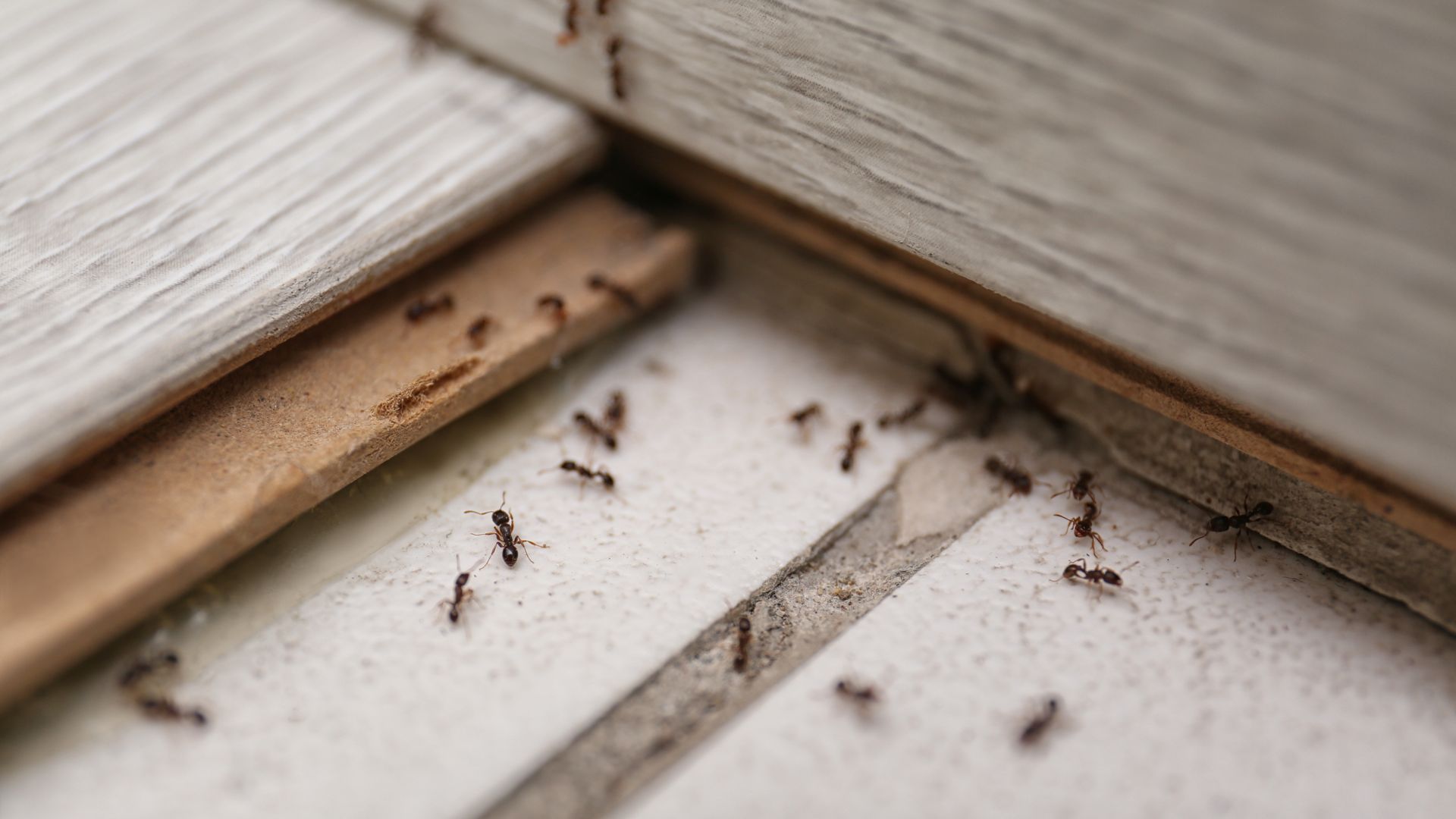
A member of our team will be in touch shortly to confirm your contact details or address questions you may have.

Why Choose Anderson Pest Control?
-
Licensed, Insured, Vetted ProsWe make it easy for you to have confidence in the team you call.
-
Trusted Business For 20+ YearsWe have been serving customers in the Las Vegas area with top-quality pest control since 2002.
-
Contact Us for a Free EstimateWe make it easy to get started with a completely free quote.
.2610221645397.jpg)