When Pollinators Meet Property: Southern Nevada’s Expert Bee Removal, Live Rescue, and Hive Protection in Las Vegas
Honeybees, Bumblbees, and Africanized Bees
The Pulse of the Mojave Pollinators
The desert morning breaks over the valley in shades of copper and raw gold, casting long shadows across the rugged mountain ranges of Southern Nevada. To the casual observer, the arid landscape looks like a silent, sunbaked expanse. But step closer to a blooming desert marigold or a desert globemallow just as the sun warms the air, and you will witness a bustling, high-stakes world in motion.
Here in the Silver State, life depends entirely on a fragile, magnificent alliance between flora and fauna. Bees provide essential ecosystem services in natural and agricultural landscapes as pollinators of three quarters of all flowering plants. For people, this means a staggering reality: every third bite of food we eat is the direct result of successful pollination. Plants rely on these tireless workers to reproduce, set seed, and sustain the vital food webs of the Mojave.
While commercial honey bees often capture the spotlight for pollinating massive agricultural crops, native bees play an equally vital role across our natural and suburban landscapes. In fact, there are over 1,000 native species of ground-nesting, twig-nesting, and parasitic bees found exclusively within Nevada.
At Anderson Pest Control, we know that there is a time to control destructive pests, and a time to protect and save our indispensable pollinators. With over 25 years of personal beekeeping and apiary experience guiding our philosophy, we treat bees not as nuisances to be eradicated blindly, but as VIPs of the desert. Welcome to our definitive guide to the insects that shape our world, designed to help you understand, identify, and protect the extraordinary pollinators sharing our backyard.
The Anatomy of a Pollinator
Before you can protect or manage the buzzing visitors in your garden, it helps to understand what makes an insect a true bee. To the untrained eye, any flying insect with stripes looks fair game for an exterminator's spray. But a closer look reveals an architectural marvel.
All bees share a distinct three-part body segmentation: a head, a thorax, and an abdomen.
- The Head: Equipped with large compound eyes for navigating floral landscapes, a pair of segmented antennae, and specialized mouthparts including mandibles for biting and a specialized tongue for drinking nectar.
- The Thorax: The power center of the insect, bearing its legs and two pairs of wings (four total wings).
- The Abdomen: Houses vital digestive organs and, in females, the stinger.
One of the most fascinating features distinguishing female bees is their specialized pollen-carrying apparatus. While some species carry pollen via branched (plumose) body hairs or specialized brushes called scopa on their legs and the sides of their thorax—or beneath their abdomens in the case of leafcutters—social powerhouses like honey bees and bumblebees pack pollen tightly into smooth, compressed balls carried in corbiculae (pollen baskets), which are concave, polished areas on their hind legs.
Understanding these physical traits is the first step in separating beneficial pollinators from accidental mimics.
Lookalikes: Is It a Bee, a Wasp, or a Fly?
Nature loves a master of disguise, and in the insect world, survival often depends on looking like something dangerous. Many flower-visiting flies (such as members of the family Syrphidae) are textbook bee and wasp mimics, copying their color, form, and behavior to trick predators into keeping their distance. So, how do you tell them apart?
Fly Identification
Flies possess only one pair of wings, compared to the two pairs found on bees and wasps. They usually feature short, stubby antennae with single hairs or feathery structures, piercing-sucking or sponging mouthparts, and massive compound eyes that often meet at the top of their heads.
Wasp Identification
Wasps share the two pairs of wings and chewing mouthparts of bees, but their biology is fundamentally different. While bee hairs are branched and feathery under magnification, wasp hairs are simple, straight, and sparse, making wasps appear much smoother, shinier, and less robust than bees. Many wasps also feature a distinctive, highly constricted "wasp waist" separating the abdomen from the thorax. While most wasps are carnivorous predators or parasites that hunt insects for their young, some species also visit flowers to feed on nectar.
The Social Giants: Honey Bees and Bumblebees
When we think of honey production and massive colonial societies, two iconic groups immediately come to mind: the European Honey Bee and the native Bumblebee.
Honey Bees (Apis mellifera)
- Family & Size: Apidae | 10–15 mm
- Key Characteristics: Light to dark brown body with pale and dark hair bands across a barrel-shaped abdomen, a heart-shaped head, and polished pollen baskets on their hind legs.
- Nesting & Behavior: Form massive social colonies consisting of 30,000 or more individuals. They nest in man-made hives, tree hollows, or rock outcroppings, and colonies periodically swarm to locate new nesting cavities.
- Historical Note: Honey bees are not native to the United States; they were brought across the Atlantic by European settlers in the 17th century. However, I know bees came much earlier. As I study ancient scripture I learn more about God’s creations, Within the pages of the Book of Mormon, the ancient Jaredite migration, journeying from the confusion of tongues at the Tower of Babel around 2200 B.C. across the ocean in specialized, sealed barges for 344 days, included the careful preservation of "swarms of bees" known by the Jaredite word deseret, interpreted explicitly as "a honey bee". This foundational narrative wedded bee symbolism forever to the concept of a sacred migration toward a promised land flowing with milk and honey.
Bumblebees (Bombus spp.)
- Family & Size: Apidae | 10–23 mm
- Key Characteristics: Robust, heavy-set black bodies extensively covered with vibrant bands of black, yellow, orange, or whitish hairs, a long face, and pollen baskets on their hind legs.
- Nesting & Behavior: Social colonies nest underground, typically making use of abandoned rodent nests. Bumblebees are exceptional workers capable of pollinating in cool, cloudy weather when other bees stay sheltered. They possess a special superpower known as buzz-pollination, grasping flowers and vibrating their flight muscles at high frequencies to shake loose pollen from stubborn plants like tomatoes and peppers that ordinary bees cannot access.
The Solitary Solvers: Carpenter, Sweat, and Mining Bees
While social bees command attention with large hives, the vast majority of Nevada's native bee species live solitary or communal lives, quietly performing essential pollination work across our deserts and valleys.
Carpenter Bees (Xylocopa & Ceratina spp.)
- Family & Size: Family Apidae. Xylocopa (large carpenter bees) measure 13–30 mm with shiny dark black to metallic blue-green bodies, sparse abdominal hair, and massive jaws. Ceratina (small carpenter bees) measure 3–15 mm with slender, cylindrical metallic bodies and pale yellow facial markings.
- Nesting Habits: Solitary to communal, large carpenter bees tunnel their nests directly into seasoned wood, frequently targeting roof eaves, wooden decks, and siding. Small carpenter bees nest inside hollow plant stems and pithy twigs.
Sweat Bees (Family Halictidae)
- Size: 3–12 mm
- Key Characteristics: Exhibiting incredible diversity, they appear in two distinct forms: either a dull metallic blue or brilliant metallic green-to-copper, or dark black/brown with light hair bands across the abdomen. Parasitic species often sport striking red abdomens.
- Behavior: Solitary to social ground nesters. True to their name, many species are naturally attracted to the salt content in human sweat, often landing on skin during warm desert hikes without any intent to sting.
Mining Bees (Andrena & Perdita spp.)
- Family & Size: Family Andrenidae. Andrena measure 7–18 mm; Perdita measure a tiny 2–7 mm.
- Characteristics: Slender, dark metallic bodies clothed in brown or reddish hairs, with specialized pollen-carrying hairs on their hind legs and the sides of their thorax. Perdita is an exceptionally diverse genus featuring bright yellow, black, and whitish markings.
- Behavior: Solitary or communal ground nesters preferring sandy soils. Andrena species are among the earliest pollinators to emerge each spring, driving the initial wave of desert blossoming.
Masters of Craft: Leafcutter, Mason, and Long-Horned Bees
Nature’s artisans include specialized bees that utilize clever engineering and architecture to protect their developing brood.
Leafcutter Bees (Megachile spp.)
- Family & Size: Family Megachilidae | 10–20 mm
- Key Characteristics: Robust black bodies with light or dark hairs, broad heads equipped with powerful mandibles, and distinct pollen-carrying hairs (scopa) located beneath the abdomen rather than on the legs.
- Nesting Behavior: Solitary bees that nest in pre-existing cavities such as beetle holes, hollow stems, or wood-nesting blocks. Females use their powerful mouthparts to expertly cut neat, circular pieces from plant leaves, using the fragments to line their individual nest cells like sleeping bags.
Mason Bees (Osmia spp.)
- Family & Size: Family Megachilidae | 5–20 mm
- Key Characteristics: Sturdy, robust bodies appearing either covered in pale hairs or gleaming in dull metallic blue-green shades. Like leafcutters, they carry pollen on specialized hair brushes under their abdomens.
- Behavior: Solitary yet gregarious nesters that aggregate in natural or artificial cavities. True to their name, mason bees collect wet mud to partition and seal their nest cells, creating durable earthen walls to protect their larvae.
Long-Horned Bees (Melissodes, Svastra, & Eucera spp.)
- Family & Size: Family Apidae | 7–20 mm
- Key Characteristics: Exceptionally robust and hairy dark bodies adorned with pale hair bands and dense pollen-carrying baskets on their hind legs. Males are instantly recognizable by their extraordinarily long, sweeping antennae.
- Behavior: Solitary to communal ground nesters favoring sandy soils. They show strong floral fidelity, displaying a passionate preference for native asters, sunflowers, and mallows.
Specialists and Marauders: Squash and Cuckoo Bees
Every ecological niche in the desert is meticulously filled, including specialized agricultural partners and clever avian-style tricksters.
Squash Bees (Peponapis & Xenoglossa spp.)
- Family & Size: Family Apidae | 10–18 mm
- Key Characteristics: Sturdy brown bodies covered in dense, light hair across the thorax and abdominal bands, coarse pollen-collecting leg hairs, and a distinctive protruding face structure resembling a nose. Males possess noticeably elongated antennae.
- Behavior: Solitary ground-nesting bees whose life cycle is entirely intertwined with cucurbits. They collect pollen exclusively from squash, pumpkin, and gourd flowers, often emerging at the crack of dawn before honey bees even wake up.
Cuckoo Bees (Nomada, Triepeolus, & Sphecodes spp.)
- Family & Size: Family Apidae | 5–18 mm
- Key Characteristics: Slender, wasp-like bodies with thick, nearly hairless antennae and striking red, black, or yellow banded abdomens. (Triepeolus species feature a distinct black and white pattern with reddish legs).
- Behavior: Kleptoparasites. Adult females feed on nectar but never collect pollen for themselves. Instead, they act as stealthy imposters, slipping undetected into the nests of other solitary bees to lay their eggs, leaving their larvae to consume the host's stored provisions.
THE LAS VEGAS MUD DAUBER
The Solitary Mason of the Mojave
“Not looking for a fight, just looking for mud," said Matt the Mud Dauber.
The Loner in the Shadows
While other wasps are busy building aggressive empires and plotting backyard takeovers, the Mud Dauber is the Mojave’s eccentric, introverted artist. She doesn’t care about social status, hive hierarchy, or your picnic lunch. With a body that looks like it was stretched by hand—featuring an impossibly thin, thread-like waist—she glides through the shimmering Las Vegas heat on a solitary mission. She is a single mother working the ultimate construction gig, and she answers to no one.
The Adobe Engineers
If you’ve ever noticed a crusty, tube-like clump of dirt plastered against your stucco eaves, beneath your patio furniture, or tucked inside your garage door tracks, you’ve witnessed the work of a master mason. The Mud Dauber doesn't chew wood to make paper; she mines local mud holes. Traveling back and forth from puddles or leaky drip irrigation lines, she rolls wet desert soil into tiny marbles, carrying them back to your home to build durable, subterranean-style adobe apartments. If you listen closely while she works, you can hear a distinct, high-pitched buzz, the mechanical hum of a master craftsman vibrating her wings to pack the mud tightly into place.
The Spider Collector's Vault
Inside those dried mud tubes lies a scene straight out of a desert horror novel. The Mud Dauber doesn't eat your garden plants; she hunts spiders. Specifically, she specializes in clearing out unwanted arachnids, including orb weavers and the occasional black widow. With surgical precision, she paralyzes her prey with a venomous sting, stuffs the comatose spiders into her mud vault like canned goods, lays a single egg on top, and seals the brick door shut. When the larva hatches, it has a fully stocked, fresh pantry waiting. She is the ultimate natural pest control asset, until her heavy clay condominiums begin blocking your home's intake vents.
THE PAPER WASP
The Aerial Acrobat of the Stucco Canyons
"You walked into the wrong patio cover, human. This is not your patio, it is now ours. Trespass again and you must feel the wrath of the colony!" —Peter the Paper Wasp
The Umbrella Syndicate
Step outside into a sunny Southern Nevada backyard, look straight up under the patio cover, and you’ll likely see the hanging umbrellas of the Paper Wasp. Unlike their antisocial mud-scraping cousins, Paper Wasps are fiercely loyal members of a tight-knit aerial syndicate. They construct distinctive, open-faced, upside-down paper nests that resemble small gray umbrellas. By chewing weathered wood from your fences and mixing it with their own saliva, they manufacture a lightweight, weather-resistant papier-mâché that withstands even the most brutal 115-degree July heatwaves.
Dangle-Legged Enforcers
You can recognize a Paper Wasp mid-air by her sheer theatrical flair. While yellowjackets fly like aggressive, compact bullets, Paper Wasps fly like lazy, dangling acrobats. They let their long, spindly legs droop far below their slender, reddish-brown bodies as they cruise over your pool looking for a drink. But don’t let their relaxed flight pattern fool you. They are highly territorial security guards. Approach their umbrella nest too closely while pruning your desert palms or cleaning your eaves, and the syndicate will immediately sound the alarm, deploying defenders ready to deliver an incredibly painful, repeated sting to anyone violating their airspace.
When the Desert Sky Gets Too Crowded
Paper Wasps love human architecture. In the wild Mojave, they are limited to rocky cliffs and sturdy desert scrub; in modern Southern Nevada, your stucco walls, decorative window trims, pool pumps, and covered porches look like a luxury resort. While they do their part to eat caterpillars and garden beetles, a booming colony right over your back door turns a peaceful evening barbecue into a high-stakes obstacle course. When their architectural ambitions collide with your family's safety, it’s time to call in the experts who know exactly how to evict the syndicate.
Need an Eviction Specialist?
Whether you have an introverted brick-builder clogging up your vents or an aggressive paper syndicate claiming your patio cover, Anderson Pest Control has the expertise to safely manage, remove, and exclude these desert flyers from your home.
When Pollinators Move In: Urban Nesting Realities
Identifying a bee in the garden is one rewarding puzzle; finding out where a feral colony decided to move in is an entirely different matter. In our decades of field experience across Southern Nevada, bee nesting locations rarely align with what homeowners expect.
Water meter boxes are a personal favorite for feral honey bee colonies, likely because utility meters are checked perhaps once a year, offering undisturbed darkness and shelter. Irrigation valve boxes run a close second. Beyond utility vaults, we have extracted thriving colonies from palm frond skirts, block wall cavities, roof weep holes, the narrow gap behind loose stucco, and even an overturned wheelbarrow that had not moved since spring. Better use the Traeger Smoker more frequently this year. They have even set up shop in backyard grills!
Swarms represent a unique category that routinely causes public alarm. A massive cluster of bees hanging from a tree branch or fence post looks like an emergency, but in reality, it is usually a colony in temporary transit. Resting for a few hours or a couple of days while scout bees scour the neighborhood for a permanent cavity, an undisturbed swarm will typically move on under its own power. However, if scouts locate an inviting opening, such as an open meter box or your attic vent—temporary transit turns into permanent settlement.
This reality highlights why live rescue and relocation matter so deeply. A colony discovered mid-swarm, before it penetrates a wall cavity, is easily relocated intact. Once bees build an extensive honeycomb inside a structural void, the job shifts from simple removal to structural extraction. At Anderson Pest Control, our foundational commitment is simple: there is a time to control pests, and a time to save pollinators. We care about you, your family, your property, and OUR POLLINATORS.
The Invisible Signature: Why Thermal Cameras Expose the Hidden Hive
The stucco walls of your Summerlin or Centennial Hills home stand smooth, quiet, and deceptively serene under the desert sun. To the naked eye, the exterior of your Henderson or Lake Las Vegas home is an unblemished fortress. But inside that wall cavity, an invisible drama is unfolding. Fifty thousand living, breathing organisms are hard at work, generating heat, moisture, and metabolic energy that transforms a dark void into a throbbing thermal beacon. This is where modern pest control transcends guesswork, and where our professional-grade inspection equipment changes the entire game.
When we arrive at your Summerlin property suspecting an entrenched bee infestation or a hidden rodent nesting site, we do not start by tearing into your drywall with a sledgehammer. That is an amateur's game. Instead, we reach for our most powerful diagnostic tool: the high-resolution thermal imaging camera.
People often ask why thermal cameras are so indispensable in high-desert pest management. The answer lies in the physics of biology and architecture. A healthy honey bee colony must rigorously regulate its internal brood nest temperature, maintaining a steady, feverish 93 to 95 degrees Fahrenheit around the clock, even when summer wall cavities inside a Las Vegas home bake past 130 degrees. When you point a professional thermal camera at a stucco wall, that active hive doesn't hide. It lights up on the infrared display as a distinct, glowing thermal anomaly, a glowing signature of heat bleeding through the building materials that immediately separates a vacant wall void from a massive, multi-pound colony.
Beyond tracking body heat, thermal cameras expose the silent destroyer: moisture. A mature honey bee hive stores gallons of raw honey and metabolizes massive amounts of water. That moisture radiates outward, softening drywall, saturating insulation, and creating distinct cooling or heating gradients that show up instantly on an infrared screen long before an ugly stain ever bubbles through your interior paint. However, the longer you wait, the larger the colony gets. Don’t wait for a ceiling to collapse under the weight of 100s of pounds of honey and comb.
By combining thermal imaging with high-powered inspection borescopes, acoustic listening devices, and decades of field-tested intuition, our licensed technicians at Anderson Pest Control can map out an entire infestation down to the exact stud bay before a single tool touches your home. We respect your property, we make every attempt to diagnose with absolute precision, and we execute the right solution, whether that means a gentle live-comb extraction or a targeted safety elimination. We perform this work with surgical accuracy.
The desert hides its secrets well, but nothing stays hidden in the infrared. Contact Anderson Pest Control today for your free estimate, and let our advanced professional technology and seasoned expertise protect the home you love.
The Fine Print of Protection: Why Insurance Won't Cover the Sting
When an unexpected swarm of bees sets up housekeeping inside your stucco wall or beneath your roof eaves, your first instinct is to check your wallet and wonder if your homeowners insurance policy will foot the bill. The short answer is almost universally no. Adjuster's favorite words, “NO!”, “NO!”, “NO!” And one more “NO!” for good measure. Homeowners insurance is engineered specifically around the concept of sudden and accidental loss, catastrophes like a falling tree limb, a sudden pipe burst, or a chimney fire. Standard policies explicitly classify pest control, swarm relocation, and bee extermination as routine homeowner maintenance rather than covered perils. Insurers will not reimburse you for hiring a professional beekeeper or pest control technician, meaning the labor to clear the bees remains entirely out of pocket.
When the Hive Breaks Through: Structural Damage and Claims
While the removal of the bees themselves is never covered, the resulting structural damage under specific circumstances occasionally tells a different story. If a massive honey bee colony establishes a long-standing residence inside a hidden wall or attic cavity, fifty to a hundred pounds of accumulated honey, wax, and brood can exert devastating weight on wood framing, warp structural beams, and saturate drywall with moisture. If that damage is sudden, hidden, or leads to a sudden structural collapse under a policy endorsement, some insurers may step in to cover framing repairs, ruined insulation, and drywall remediation. However, insurers will ruthlessly deny these claims if an adjuster finds evidence of long-term neglect, meaning if you watched the bees fly in and out for months and did nothing, you will likely bear the full financial burden of the repairs.
Navigating the Out-of-Pocket Reality and Documentation
Understanding what you are likely to pay out of pocket, starting at three hundred ninety-nine dollars for an accessible exterior swarm removal to upwards of three thousand dollars for a complex wall extraction and structural drywall repair—helps you make smart financial choices. If you decide to file a claim because hidden damage is extensive, meticulous documentation is your only shield against a denial. You must photograph everything before a single tool touches the wall, secure a detailed written assessment from a licensed pest control professional detailing the age and species of the colony, and save every contractor receipt. At Anderson Pest Control, we provide the expert assessments and transparent pricing you need, ensuring your property is restored with common sense, unmatched care, and professional integrity. Contact Anderson Pest Control today for your free estimate, and let your trusted local experts protect your Southern Nevada home.
The Africanized Honey Bee Reality in Las Vegas
While native bees and standard European honey bees enrich our desert ecosystem, Southern Nevada properties must also contend with a formidable and defensive challenge: the Africanized Honey Bee (AHB).
Often sensationalized as "Killer Bees," AHBs are a genetic hybrid of African subspecies introduced to Brazil that have since migrated northward into the arid Mojave climate. Superficially, they look nearly identical to docile European honey bees, measuring roughly 0.5 inches in length with the same golden-brown and black striped abdomen. Definitive identification requires laboratory wing venation analysis.
However, their behavior tells an entirely different story:
- Explosive Defensiveness: Unlike European honey bees that tolerate minor disturbances, AHBs respond to minimal provocation, such as lawnmower vibrations, loud noises, or passing shadows—with mass defensive attacks!
- Relentless Pursuit: When agitated, they deploy in overwhelming numbers and are known to pursue perceived threats for a quarter mile or more, targeting the head and face.
- Hazardous Nesting Locations: They readily establish colonies in unconventional urban spaces, including water meter boxes, old tires, discarded appliances, block walls, and vehicle wheel wells.
If you encounter aggressive bees acting in defense of an unknown nest, do not panic, do not swat, and never attempt DIY removal. THIS CANNOT BE STRESSED ENOUGH. PLEASE DO NOT ATTEMPT KILLER BEE REMOVAL. Run in a straight line away from the area, seek immediate indoor shelter, and contact professional live-removal or extermination experts who understand how to handle high-stakes safety threats safely.
The ANDERSON PEST CONTROL Difference: Humane Hive Rescue Option
When uninvited bees establish a colony near your home or business, you do not have to choose between putting your family at risk and destroying beneficial pollinators. In the Las Vegas Valley, property owners have access to a rare, ethical standard of wildlife management through specialized live-removal and relocation services.
Founded by veteran beekeepers with over 25 years of hands-on apiary experience, our approach to bee management is rooted in a guiding principle: every bee deserves a second chance and bees feed the world.
When you call upon our team for hive rescue, our process is transparent, educational, and compassionate:
- Comprehensive Inspection: We locate the colony, assess its size, identify the species (distinguishing between docile pollinators and defensive Africanized colonies), and determine the safest extraction route.
- Safe, Chemical-Free Removal: Using specialized soft-handling techniques, we capture the queen, gently brush or vacuum bees into transport boxes, and harvest honeycomb cleanly without relying on toxic synthetic sprays.
- Apiary Relocation: The entire rescued colony is safely transported to managed desert apiaries where they continue their vital work of honey production and pollination.
- Extermination of Structural Attractants: We thoroughly clean residual pheromones and seal entry points to ensure your property remains permanently secure against future swarms when you choose to use our services.
We are proud to donate rescued colonies to researchers at institutions like the USDA, UNLV entomology department, University of Nevada, Purdue University (where I received educational training), and the Nevada Department of Agriculture to support ongoing studies improving honey bee health. If we can help in any way to advance science, promote conservation efforts, improve and preserve bees, sign us up! We would love to partner with you.
Protecting Your Property: Yellowjacket and Wasp Management
While honeybees and native bees deserve our utmost conservation efforts, social wasps like yellowjackets present an entirely different ecological scenario that requires strict property control.
Yellowjackets are predatory social wasps that build elaborate paper nests by chewing wood fibers mixed with their saliva. Unlike vegetarian bees, yellowjackets are aggressive carnivores that hunt caterpillars, flies, and garden pests to feed their larvae, while scavenging aggressively for human food and sugary drinks at outdoor gatherings.
Recognizing the Threat
- Aggressive Defense: Yellowjackets possess smooth stingers and can sting repeatedly, becoming intensely territorial and defensive as colonies swell to thousands of workers by late summer.
- Nesting Habits: They frequently commandeer underground rodent burrows, hollow logs, or conceal their paper nests inside structural wall voids, attic spaces, and dense shrubbery.
- Professional Elimination: Attempting to spray or destroy an active yellowjacket nest with consumer store-bought aerosols is dangerous and ineffective, often enraging the colony and triggering multiple stings. Safe removal requires protective professional gear, targeted treatment of the entry points, and complete colony extraction.
At Anderson Pest Control, our expert technicians handle yellowjacket and wasp removal safely and efficiently, ensuring your outdoor living spaces remain secure for children and pets.
WHEN RESCUE IS AN OPTION CHOOSE ANDERSON. WHEN RELOCATION IS NOT AN OPTION, CHOOSE ANDERSON
While live relocation is always the preferred first choice, there are distinct structural, public safety, and biological realities where extermination is the most responsible and ethical course of action.
Inaccessible Structural Risk and Impending Colony Decay
When a wild colony becomes deeply established inside complex architectural cavities (such as between floors, deep within cinder block fences, or inside commercial flat roofs), it is occasionally structurally impossible to safely remove the comb without causing catastrophic structural damage to a building. If a contractor cannot physically extract the brood and honey, attempting to trap or kill a colony slowly leaves behind dozens of pounds of uncared-for wax, honey, and dead larvae. This quickly melts or rots, leading to massive property damage, structural rot, and secondary infestations of roaches, ants, and hive beetles. When a live cutout is structurally impossible, immediate extermination combined with targeted, professional structural sealing is the only way to prevent severe, long-term property degradation.
High-Risk Public Safety and Aggressive Genetics
In the Southwest, the presence of Africanized Honey Bees (AHBs) is a significant public safety reality. Unlike managed agricultural hives, wild desert colonies can be hyper-defensive, highly unpredictable, and prone to swarming with minimal provocation. If an established colony is located in high-traffic or sensitive areas, such as schools, parks, healthcare facilities, or properties with elderly residents, children, or confined pets—the risk of a mass stinging event is extremely high. When a colony exhibits extreme aggression or is positioned where a lengthy live-rescue extraction poses an immediate physical threat to human life, rapid extermination is a vital public safety necessity.
Preventing the Spread of Agricultural Pathogens
Wild hives often harbor destructive diseases and parasites, such as American Foulbrood (AFB) or heavy loads of Varroa mites. American Foulbrood is a highly contagious, spore-forming bacterium that can decimate entire apiaries. If a wild colony carrying these pathogens is rescued and brought near managed, healthy apiaries, it risks introducing a devastating outbreak to the local beekeeping infrastructure and agricultural economy. In cases where a wild colony is diseased, exterminating it safely inside its cavity prevents it from collapsing and being robbed out by healthy local bees, thereby acting as a crucial quarantine measure to protect the broader bee population.
Partnering for a Safer, Greener Mojave
Living in the scenic foothills and suburban corridors of Henderson, Las Vegas, Boulder City, Pahrump and Centennial Hills means embracing a unique balance between urban comfort and untamed desert wilderness.
The challenges of high-desert property management are substantial, from invasive xeriscape weeds and tunneling gophers to armored scorpions, climbing roof rats, and defensive stinging insects. But when it comes to the delicate balance of our local ecosystem, brute force is never the best first answer.
At Anderson Pest Control, we bring over two decades of local expertise, family-owned integrity, and specialized apiary knowledge to every property we service. Whether you need comprehensive commercial pest defense, secure rodent exclusion, or ethical, live-removal bee relocation that protects our precious pollinators, our licensed and vetted professionals stand ready to serve.
The desert is wild and breathtaking, but your home is your home, not theirs. Contact Anderson Pest Control today for your free estimate, and let our family protect yours while safeguarding the vital pollinators that make our natural world bloom.
The Bee-Friendly Backyard: Why Mystic Spires Salvia Is a Superstar in the Las Vegas Desert
A little purple, a lot of buzzing, and one more way we can help Southern Nevada's pollinators thrive.
At Anderson Pest Control, we believe being good stewards of Southern Nevada means understanding that not every insect is a pest. Some of our smallest neighbors are doing some of the biggest jobs.
Take honeybees, for example.
On a warm Las Vegas morning, there's something pretty special about stepping into the backyard with a cup of coffee and hearing the unmistakable hum of honeybees hard at work. They're visiting flowers, collecting nectar, carrying pollen, and doing their part to keep our natural world growing.
And if there's one plant in our backyard that consistently gets their attention, it's Mystic Spires Salvia.
This beautiful blue-violet flowering perennial has become one of our favorite additions to our desert garden. The honeybees love it, the hummingbirds love it, and honestly, we love watching the whole show.
But there's a bigger story here.
Living in Southern Nevada gives us a unique opportunity to make a difference right in our own backyards. Even in the middle of the Mojave Desert, we can create little pockets of habitat that provide food and support for pollinators.
And it doesn't have to be complicated.
Meet the Backyard Superstar: Mystic Spires Salvia
If flowers had a popularity contest among honeybees, Mystic Spires Salvia would be a serious contender.
Its tall spikes of deep blue and violet blossoms provide a steady source of nectar throughout much of the growing season. While some flowering plants put on a beautiful display for a few weeks and call it a day, Mystic Spires keeps producing blooms from spring through fall when properly maintained.
That's a big deal in the Las Vegas Valley.
Our summers are unforgiving. The temperatures climb, the soil is alkaline, and many traditional garden plants struggle to keep their good looks. Mystic Spires, however, has proven itself to be a dependable performer in our backyard.
The plant typically grows three to five feet tall and spreads approximately two to three feet wide. Its rich green foliage creates a compact base, while the tall flower spikes rise above it like little purple beacons.
And the bees know exactly where to find them.
Why We Love Watching the Bees Work
One of our favorite things about keeping a pollinator-friendly garden is discovering which plants actually deliver.
Some flowers get an occasional visitor. Others become a full-service honeybee restaurant.
Mystic Spires definitely falls into the second category.
We regularly watch honeybees work their way up and down the flower spikes, visiting dozens of blossoms during a single foraging trip. They move methodically, gathering nectar and collecting pollen as they go.
It's fascinating to watch.
And they're not the only visitors.
Hummingbirds, including Anna's and Costa's hummingbirds commonly seen in the Las Vegas area, are attracted to the tubular blossoms, too. Every once in a while, you'll see a hummingbird hovering inches from a honeybee that's already busy collecting nectar.
Let's just say the competition for prime flower real estate can get entertaining!
For us, that's what a successful pollinator garden is all about. It's not simply about planting something pretty. It's about creating an outdoor space where beneficial creatures have a reason to visit.
Growing Mystic Spires Salvia in the Las Vegas Heat
Gardening in Southern Nevada is its own adventure.
You can't always take advice written for someone gardening in Oregon, Tennessee, or even Northern Nevada and expect it to work here. Our extreme summer temperatures, alkaline soil, intense sunlight, and unique watering requirements demand a little local knowledge.
Here's what has worked for us.
Sunlight: Give It the Sunshine
Mystic Spires loves full sun. Ours receives direct sunlight from morning through much of the afternoon, and it has performed beautifully.
A sunny location encourages stronger growth and more abundant flowering. Too much shade can result in leggy growth and fewer blooms.
Water: Help It Get Established
During its first growing season, Mystic Spires appreciates consistent irrigation, especially during the hottest months.
Once established, it becomes considerably more drought tolerant. Adjust irrigation according to soil drainage, weather, and plant condition. In our desert climate, overwatering can be just as troublesome as underwatering.
Soil: Don't Overcomplicate It
This plant is reasonably adaptable and has handled our alkaline, caliche-heavy soil well.
We incorporated compost when planting and used mulch to help conserve moisture during the initial growing period.
Pruning: Keep Those Flowers Coming
Here's a trick worth remembering.
When flower spikes begin looking tired, cut back the spent blooms. Regular deadheading encourages additional flowering and helps keep the plant looking full.
In late fall or early winter, cut the plant back to approximately six to eight inches above the ground. With appropriate care, it should reward you with fresh growth the following spring.
Five Other Plants That Make Our Desert Pollinators Happy
If you're going to create a pollinator-friendly garden, why stop with one plant?
We love combining Mystic Spires Salvia with other flowering plants that can handle our Southern Nevada conditions.
Here are five worth considering:
- Desert Marigold: A beautiful native desert plant with bright yellow flowers that provide valuable forage for pollinators.
- Globe Mallow: A Mojave native with gorgeous orange blossoms that attract native bees and other beneficial insects.
- Lantana: A colorful, heat-tolerant option that attracts butterflies and hummingbirds.
- Mexican Bush Sage: A beautiful late-season bloomer with velvety purple flower spikes.
- Autumn Sage: Its red and pink blossoms provide a wonderful contrast to the blue-violet flowers of Mystic Spires.
Planting a variety of flowering species with different bloom periods helps provide pollinators with more consistent food sources throughout the year.
Think of it as building a neighborhood restaurant district for bees!
A Friendly Reminder: Not Every Bug Is a Bad Bug
This is something we believe deserves a little attention.
As a pest control company, we spend our days helping homeowners manage unwanted insects around their homes. But that doesn't mean we believe every insect needs to be eliminated.
Quite the opposite.
Honeybees, native bees, butterflies, ladybugs, and many other beneficial insects play important roles in our environment.
Pollination supports flowering plants, gardens, and food production. Predatory beneficial insects also help naturally regulate populations of other insects.
Understanding the difference between beneficial insects and unwanted household pests is an important part of responsible pest management.
That's why we believe in being thoughtful about how and where pest control treatments are performed.
When service is necessary, our goal is to address the pest problem while being mindful of the surrounding environment and beneficial insects. That includes paying attention to flowering plants, avoiding unnecessary exposure of pollinators to treatments, and following product label directions.
We can protect our homes and appreciate the natural world around us at the same time.
Those two things aren't mutually exclusive.
Anderson Pest Control: Proud to Call Southern Nevada Home
We've spent years helping families throughout Las Vegas and Henderson protect their homes from unwanted pests.
But being part of this community means more than simply providing a service.
It means appreciating the desert landscape, understanding the creatures that share it with us, and recognizing the responsibility we have to care for our surroundings.
Whether it's helping a homeowner address a scorpion problem, identifying an insect around a property, or simply encouraging someone to plant a few more flowers for the bees, we believe education makes our community better.
We also believe that a healthier relationship with our environment starts with small decisions.
Plant a flowering perennial.
Leave appropriate habitat for native pollinators.
Avoid unnecessary pesticide applications around blooming plants.
Learn which insects are beneficial before deciding they need to go.
And the next time you see a honeybee working its way through your flowers, take a minute to appreciate what it's doing.
You might even want to plant a little Mystic Spires Salvia of your own.
Your backyard will look better, the hummingbirds might stop by, and the bees will certainly appreciate the invitation.
At Anderson Pest Control, we're proud to protect the homes and families of Southern Nevada while appreciating the natural world that makes this community home.
And remember: We're not here to eliminate every bug. We're here to understand them, manage the ones that cause problems, and help our community live a little more harmoniously with the environment.
Frequently Asked Questions
Is Mystic Spires Salvia good for honeybees?
Absolutely. Its tubular flowers provide nectar that attracts honeybees and other pollinators. Its extended flowering season makes it a particularly attractive choice for a pollinator-friendly garden.
Can Mystic Spires Salvia survive Las Vegas summers?
Yes. It is well suited to full-sun gardens and can tolerate substantial desert heat once established, provided it receives appropriate irrigation.
Does Mystic Spires Salvia come back every year?
Yes. In the Las Vegas area, it is generally grown as a perennial and can return each spring following winter dormancy.
What other flowers attract bees in Southern Nevada?
Globe Mallow, Desert Marigold, Autumn Sage, and other flowering desert-adapted plants can help attract and support pollinators.
Does Anderson Pest Control eliminate honeybees?
Sometimes. Yes, we would like to answer unequivocally NO, but the hard reality and truthful answer is YES. Sometimes invasive species, like Africanized Bees must be eliminated to safeguard public health, destroy harmful pathogens and reduce aggressive genetics that give some aggressive bees the name, KILLER BEES. Our approach however recognizes the importance of beneficial insects. Honeybees are valuable pollinators, and pesticide applications should be carefully considered around active bee populations. If you have a honeybee colony nesting on your property, seek assistance from our bee removal experts.
Where can I buy Mystic Spires Salvia in Las Vegas?
Star Nursery is one local option. Moon Valley Nurseries is another local option. Availability varies seasonally, so calling ahead is always a good idea.
A LITTLE MORE ABOUT OUR PHILOSOPHY
Anderson Pest Control, LLC | Serving Las Vegas, Henderson, and Southern Nevada since 2001.
Protecting your family, health, and home from unwanted pests while respecting the environment we all share.
The Sanctuary and the Shield
The desert sun begins its slow descent over the rugged western ridges of Summerlin, painting the sky in deep hues of burnt orange and violet. For anyone who spends their days tending hives or walking the quiet suburban streets of Clark County, this quiet hour brings a profound appreciation for the fragile balance of life in Southern Nevada.
We have explored the hidden underground tunnels of gophers, the silent vertical ascents of bark scorpions, the architectural ingenuity of yellowjackets, and the vital, irreplaceable majesty of our local pollinators. Through every chapter of this high-desert story, one truth remains absolute: living here requires vigilance, respect, and an unyielding commitment to excellence.
At Anderson Pest Control, we know there is a time to control destructive pests and a time to protect and save our indispensable pollinators. With over 25 years of hands-on field experience, backed by a lifetime of personal beekeeping; we look at your property through a different lens. We care about you, your family, your pets, and the environment. Most importantly, we care about OUR POLLINATORS.
Whether we are deploying advanced BurrowRx technology to protect golf-adjacent turf, sealing solar panels with heavy-duty black PVC-coated mesh for pigeons, or performing delicate, live-comb extractions to relocate a feral honey bee colony safely to our managed apiary, our mission is clear. We stand ready to serve you with honesty, transparency, and unmatched local expertise.
The desert is wild and untamed, but your home is your refuge. Contact Anderson Pest Control today for your free estimate, and let your neighborhood experts stand guard over your peace of mind for decades to come.
Beneath the Sidewalk Lid: Unlocking the Water Meter Box
When a local Boulder City parks maintenance crew noticed heavy bee activity clustered around the lid of an in-ground water meter box in a Boulder City park, they knew better than to investigate on their own. They picked up the phone and called us immediately. Around the Las Vegas Valley, finding a thriving colony tucked inside a municipal water meter box or an irrigation valve enclosure is a familiar scenario. From a honey bee's perspective, these underground vaults offer an architectural masterpiece. Encased in cool, stable soil that buffers the scorching 150-degree summer pavement above and prevents winter freezing, these boxes provide perfect thermal insulation, complete wind protection, and a defensible entrance just large enough for bees to pass through single file.
The Golden Rule of Meter Box Extraction: Never Just Lift and Spray
The immediate temptation when discovering an underground colony in a high-traffic pedestrian zone is to demand instant extermination. But rushing a subterranean removal in a public park or residential sidewalk is a recipe for disaster. Before touching the lid, our first priority is securing a safe perimeter to keep pedestrians and pets away from ground vibrations that can trigger defensive agitation. When we finally lift the lid, we do it with extreme slowness, knowing that the honeycomb is frequently anchored directly to the underside of the lid itself. Yanking it open prematurely tears the comb apart, drowning the brood in honey and inciting an immediate defensive swarm. Using a gentle smoker to introduce light and calm the colony, we systematically cut the comb free piece by piece, preserving the structure around sensitive utility dials before fitting a fine mesh screen from below to prevent future scouting swarms.
The Anderson Pest Control Approach: Protecting More Than Just the Surface
Being good stewards of Southern Nevada means understanding the entire property.
At Anderson Pest Control, we have spent years learning the habits of the insects that share our Southern Nevada communities. From the smallest ants traveling along a foundation to scorpions hiding beneath landscaping rocks, we understand that pest activity rarely happens without a reason.
Insects are constantly searching for three basic things: food, water, and shelter.
Sometimes, the answer to a pest problem isn't simply treating where insects are seen. It's identifying what is attracting them in the first place and making practical changes that discourage them from returning.
That philosophy is especially important when it comes to bees and wasps.
We appreciate the important role that pollinators play in our environment. Bees are valuable contributors to the health of our ecosystem, and we believe responsible pest management should begin with understanding their behavior and respecting their place in nature.
But we also recognize that a bee colony establishing itself inside an irrigation valve box next to a family's backyard, children's play area, or frequently traveled walkway creates a legitimate safety concern.
Our responsibility is to help homeowners find the right balance between protecting their families and being thoughtful stewards of the environment.
Don't Forget the Irrigation Boxes During Your Next Yard Inspection
One of the best things homeowners can do is become familiar with the small details of their landscape.
The next time you walk around your property, take a moment to locate your irrigation control valve boxes. These are often green, rectangular plastic enclosures installed at ground level throughout residential landscapes.
You may find them near:
- Front yard flowerbeds and decorative landscaping.
- Trees, shrubs, and established planting areas.
- Side yards and perimeter landscaping.
- Backyard lawns, desert landscaped and garden areas.
- Decorative rock beds and landscape borders.
Look at the lids. Are there open lift holes? Are there visible gaps? Is the cover cracked, damaged, or improperly seated?
These are the types of small details worth addressing before they become an invitation for unwanted insect activity.
You should also pay attention to unusual bee or wasp activity. If you repeatedly see insects entering and exiting the same opening, there may be an established nesting site inside.
Do not assume that an insect flying near a valve box is necessarily nesting there. Observe from a safe distance and avoid disturbing the enclosure.
If you discover an active colony, do not lift the lid, insert tools, spray household chemicals into the opening, or attempt to seal the entrance. Contact a qualified pest management professional to evaluate the situation.
Bee Plugs and Fine-Mesh Screening: Small Solutions With Big Preventative Value
A particularly useful preventative improvement is installing a properly fitted barrier over compatible irrigation valve box lid openings.
Products such as the Bee Plug Regular Series are specifically designed to fit certain lift-hole openings on compatible NDS valve box lids. These press-fit plugs provide a convenient alternative to cutting and fitting screening material yourself. We offer both services and sometimes older NDS valve boxes require custom fine mesh screen installations.
For homeowners who prefer a screening approach, properly secured stainless-steel mesh or suitable fiberglass window screening may also be considered, provided the installation is appropriate for the enclosure and does not compromise maintenance access.
The important thing is not necessarily which product you choose. It is recognizing that an otherwise unnecessary opening can create an opportunity for insects to enter.
Think of it as closing an unattended door to your home. You wouldn't knowingly leave an entrance open and invite unwanted visitors inside. Your irrigation system deserves that same attention to detail.
Of course, these preventative barriers are not a substitute for professional bee or wasp removal when an active nest is already present. They are intended to help discourage future nesting after the enclosure has been confirmed clear.
A Better Landscape Begins With Prevention
Southern Nevada homeowners invest considerable time, money, and effort into maintaining their properties. Beautiful landscaping, healthy trees, attractive flowerbeds, and properly functioning irrigation systems all contribute to the enjoyment and value of a home.
But maintaining a landscape involves more than what we see above ground.
It means understanding the hidden spaces where insects may find shelter, identifying potential nesting locations, and making thoughtful improvements that reduce unnecessary pest activity.
An irrigation valve box may be small, but overlooking it can create an unpleasant surprise when someone needs to perform routine maintenance.
A few minutes spent inspecting those openings and installing appropriate preventative barriers can help reduce the likelihood of future nesting problems.
At Anderson Pest Control, we believe that is what responsible pest management is all about: looking ahead, paying attention to the details, and helping homeowners protect the places where their families live, work, and play.
Anderson Pest Control: Southern Nevada's Partner in Responsible Pest Prevention
Since 2001, Anderson Pest Control has been committed to helping Southern Nevada families protect their homes, health, and properties from unwanted pests.
We understand that every property is different, and effective pest management begins with understanding the environment surrounding the home.
Whether you are dealing with bees gathering around your landscape, wasps building nests beneath your eaves, dirt daubers constructing mud nests, or other unwanted insect activity, our goal is to help you understand the problem and identify an appropriate solution.
We don't believe in simply treating what is visible and walking away. We believe in education, attention to detail, and developing long-term strategies that make your property less inviting to unwanted pests.
Because sometimes the best pest control is preventing a problem before it ever begins.
If you have noticed bees or wasps repeatedly entering your irrigation valve boxes, or you would simply like to make your landscape less attractive to nesting insects, Anderson Pest Control is here to help.
Protecting your family, your health, and your home. That's the Anderson Pest Control commitment.
Call Anderson Pest Control today to discuss your bee and wasp concerns and schedule a professional evaluation.
Anderson Pest Control, LLC
Serving Las Vegas, Henderson, Boulder City, North Las Vegas, Pahrump and all of Southern Nevada since 2001.
Professional service. Thoughtful prevention. Peace of mind.
The Hidden Highway Beneath Your Lawn: How Irrigation Valve Boxes Can Become a Haven for Bees, Wasps, and Dirt Daubers
A small opening, a sheltered space, and an invitation that homeowners rarely notice.
There is a fascinating world of activity taking place just beneath the surface of many Southern Nevada landscapes. While homeowners are busy enjoying their backyards, watering their plants, maintaining their lawns, and keeping their properties looking beautiful, some of nature's smallest builders are quietly searching for their next place to call home.
And sometimes, that home is hiding in plain sight.
It may be beneath a decorative rock, tucked alongside a flowerbed, or concealed under a small green irrigation valve box that most homeowners walk past without giving it a second thought.
At first glance, an irrigation control valve box seems like an unlikely place for a bee or wasp to establish a nest. These underground enclosures are designed to protect irrigation valves, wiring, fittings, and plumbing connections from the elements. They are practical, unobtrusive, and essential to maintaining a healthy landscape.
But from the perspective of a searching insect, that little plastic box offers something surprisingly appealing: shelter.
Inside, the environment is dark, protected from direct sunlight, relatively undisturbed, and sometimes slightly humid from surrounding soil and irrigation activity. To certain bees and wasps, these conditions can provide an attractive opportunity to establish a nesting site.
The problem often begins with something as simple as a small opening in the lid.
Many irrigation valve box covers contain lift holes, access openings, or other small gaps intended to make maintenance easier. Unfortunately, those same openings can become entry points for bees, wasps, and dirt daubers looking for a protected place to build.
And once an insect discovers an undisturbed space that meets its nesting needs, it may return repeatedly.
At Anderson Pest Control, we believe that protecting a home involves looking beyond the obvious. Sometimes, effective pest prevention means recognizing the little details that others overlook. An irrigation valve box may seem insignificant, but leaving an easy entrance into a sheltered underground enclosure can create a problem that is much more difficult to address later.
Why Bees and Wasps Find Irrigation Valve Boxes So Attractive
Southern Nevada presents a unique environment for both homeowners and the insects that share our landscapes. Long periods of intense sunshine, limited natural moisture, and dramatic temperature changes influence where insects search for shelter.
Although bees and wasps have different nesting behaviors, both may investigate protected spaces around residential properties.
An irrigation valve box can offer several attractive features:
1. Protection from the desert sun
During the hottest months of the year, exposed surfaces can become extremely hot. An underground irrigation enclosure offers shade and protection from direct sunlight, making it an attractive place for certain insects to investigate.
2. A sheltered nesting environment
The enclosed cavity provides protection from wind, rain, predators, and everyday disturbances. Some insects prefer secluded spaces where they can establish nests without being noticed.
3. Convenient access through lid openings
Small lift holes and gaps around irrigation box covers can provide just enough room for insects to enter. Once inside, they may find an environment suitable for nesting.
4. Moisture associated with irrigation
Although irrigation boxes are not intended to hold standing water, moisture from nearby soil, leaking fittings, or routine irrigation activity can contribute to a more humid environment than the surrounding desert landscape.
For an insect searching for shelter, these little advantages can make a difference.
The Problem Homeowners Don't See Until It's Too Late
One of the biggest challenges with insect activity inside irrigation valve boxes is that the problem can remain hidden for weeks or even months.
A homeowner may notice a few bees flying around the landscape without realizing where they are coming from. A maintenance technician may lift an irrigation lid expecting to inspect a valve, only to discover a cluster of insects or an established nest inside.
That innocent-looking maintenance task can suddenly become dangerous.
Opening a valve box containing an active honeybee colony or an established wasp nest can provoke defensive behavior. Bees may respond aggressively when they perceive their colony is threatened, while certain wasps can defend their nesting sites with painful stings.
This creates a particular concern for homeowners, children, pets, landscapers, irrigation technicians, and pest control professionals who routinely work around these enclosures.
There is another issue, too. Nests, accumulated debris, and insect activity can interfere with access to irrigation components. When a technician cannot safely reach a valve, a routine irrigation repair can become a much larger maintenance headache.
The lesson is simple: it is far better to prevent insects from establishing themselves inside an irrigation enclosure than to discover an active colony when someone needs to open it.
A Little Prevention Can Make a Big Difference
One of the simplest ways to discourage bees, wasps, and dirt daubers from entering compatible irrigation valve boxes is to address the openings in the lid.
Fine-mesh screening or purpose-designed valve box plugs can help restrict insect access while allowing homeowners and maintenance professionals to preserve the intended service access.
Some homeowners and landscape professionals use appropriately fitted stainless-steel wire mesh or fiberglass screening as a preventative barrier. Commercial products, such as the Bee Plug Regular Series, are also designed to press-fit into compatible lift-hole openings on certain NDS irrigation valve box lids.
The idea is straightforward: eliminate an unnecessary entrance before an insect discovers it.
When selecting a screening material or plug, it is important to consider the specific valve box design, lid configuration, and maintenance requirements. Your pest management professional can select the perfect option for your yard.
A good preventative installation should:
- Cover the intended insect entry opening without leaving unintended gaps.
- Remain securely fitted during normal landscape activity.
- Use durable materials appropriate for outdoor and underground conditions.
- Avoid interfering with irrigation wiring, valve operation, or routine maintenance.
- Preserve the ability to access the irrigation system when service is required.
Not every irrigation box has the same dimensions or lid design, so homeowners should verify product compatibility before installation. Please consult your Anderson Pest Control specialist.
An important safety reminder: Never reach into an irrigation valve box or attempt to install screening over an opening that may already contain an active bee or wasp colony. Do not disturb an established nest or seal insects inside. Have the situation assessed and handled appropriately before making modifications.
Prevention is most effective when it happens before insects move in.
Tracing Responsibility: Who Owns the Box?
A frequent question from property owners is who bears responsibility when a colony occupies a utility box. The answer depends entirely on geographic location and property lines. If a water meter box sits within the public right-of-way, such as a public sidewalk or municipal easement—removal typically falls under the jurisdiction of the city or local water utility. Conversely, if the vault rests inside private property boundaries beyond the easement, the responsibility shifts to the homeowner. Because municipal codes and utility policies vary across Southern Nevada, we routinely assist both private residents and public agencies like city parks departments, assessing the situation and executing safe live removals regardless of whose infrastructure is involved.
The Traveling Cloud: Understanding the Bee Swarm
When a softball-sized or basketball-sized cluster of honeybees suddenly appears clinging to a Joshua tree, a backyard fence post, a roof eave, or patio furniture, it can feel like an emergency. But as we frequently discover during warm desert afternoons across Henderson and Las Vegas, this living cloud is actually a temporary transit stop. Swarming is a natural, healthy reproductive phase where an established queen leaves her original hive accompanied by thousands of worker bees to establish a new dynasty. During this transient phase, the bees are remarkably docile because they have no permanent home or brood comb to defend. However, while they are merely resting while scout bees search for a permanent cavity, leaving them unattended is a gamble—if they decide your property offers the ideal shelter, a gentle temporary cluster can transform into an entrenched, defensive hive within a matter of days.
The Balance of Protection and Preservation: Live Rescue vs. Extermination
Timing is everything when dealing with a newly arrived swarm. Waiting out a cluster in the hope that it will vanish on its own often results in the colony squeezing into a wall void, attic, or utility box, turning a simple, quick pickup into an invasive and costly structural extraction. At Anderson Pest Control, our philosophy is rooted in complete honesty and practical safety: there is a time to save pollinators, and there is a time when elimination is the only viable option to protect human life. While we take immense pride in our quarter-century of beekeeping experience and our ability to perform delicate live-comb extractions and humane apiary relocations whenever possible, we recognize the hard realities of pest management. When aggressive Africanized honey bee colonies establish nests in high-traffic public zones, near children's play areas, or inside structural walls where live removal poses an unacceptable stinging risk, safe and effective extermination using EPA-registered products is the responsible choice. We give you clear, professional options, ensuring your family and property are always secure. Contact Anderson Pest Control today for your free estimate, and let your trusted local experts handle your property with unmatched care, integrity, and common sense.
The Sacred Architecture of the Swarm
Beyond the technical mechanics of utility box extractions and structural wall removals lies the profound, almost mystical experience of encountering a honey bee swarm settling onto a property. When thousands of bees fill the air with a deep vibrational hum before blanketing a tree branch or porch overhang, it commands our full attention. Across ancient traditions, bees are revered not merely as insects, but as messengers of high-frequency harmony, community devotion, and rebirth. When a swarm chooses your home, it serves as a powerful reminder of the interconnectedness of our desert ecosystem, reinforcing why our quarter-century commitment to live rescue, humane relocation matters so deeply to the fabric of Clark County. Although we believe every opportunity for humane rescue and relocation deserves consideration, we also recognize that not every colony can be safely or practically preserved; when circumstances demand extermination, our responsibility is to act with professionalism, sound judgment, and respect for both the people we protect and the environment we share.
Deseret: The Ancient Honeybee That Traveled to a Promised Land
A remarkable little passenger with a story thousands of years in the making.
"And they did also carry with them deseret, which, by interpretation, is a honey bee." — Ether 2:3
Imagine preparing for a journey into the unknown. You gather your family, your belongings, your provisions, your animals, and everything you believe you will need to establish a new life in an unfamiliar land. You are leaving behind what you know, traveling toward a future you cannot yet see. Perhaps you and your family experienced a similar experience moving to Las Vegas or Henderson.
Now imagine adding something rather unexpected to your packing list.
Honeybees.
Not a jar of honey. Not a few pieces of honeycomb. Actual living bees, traveling with you on an extraordinary migration across the ancient world.
That is precisely the detail that makes Ether 2:3 so fascinating.
In the Book of Mormon account, Jared, his brother, their families, and their companions prepared for an incredible journey. Among the animals, provisions, and seeds they carried were honeybees. The scripture introduces the unusual Jaredite word deseret and then provides its interpretation: a honeybee.
And just like that, one of the smallest creatures in the story becomes one of its most memorable passengers.
Wait a Minute ... They Brought Bees?
The account in Ether 2:3 reads:
"And they did also carry with them deseret, which, by interpretation, is a honey bee; and thus they did carry with them swarms of bees, and all manner of that which was upon the face of the land, seeds of every kind."
Think about what that means.
These travelers weren't simply bringing food for the journey. They were carrying pieces of the living world with them. Seeds, animals, and swarms of bees were part of what they intended to preserve and establish in their new home.
Why bees?
Anyone who understands the relationship between flowering plants and pollinators can appreciate how valuable these little insects are. Bees move pollen between flowers, helping plants reproduce and produce seeds and fruit. They are an important part of healthy ecosystems and agricultural production.
The Jaredites' decision to carry bees alongside seeds is a fascinating detail, particularly when viewed through the lens of what we know about pollination today.
It makes you wonder whether those little passengers were among the most important members of the entire traveling party!
The Mystery Behind the Word Deseret
There is another fascinating part of this story: the word itself.
Deseret is unusual because Ether 2:3 provides an interpretation of the Jaredite word rather than leaving readers to guess its meaning.
But where did the word originate?
That question has intrigued Latter-day Saint researchers for generations.
One proposed connection comes from ancient Egyptian language and symbolism. Hugh Nibley suggested that deseret may be related to the Egyptian term dšrt, commonly associated with the red crown of Lower Egypt.
The Egyptian word for bee was different. However, as Stephen Parker explained in the Encyclopedia of Mormonism, the red-crown symbol was sometimes substituted for the bee symbol in certain royal titles associated with the king of Lower Egypt.
Another possibility was suggested by researcher Kevin Barney, who explored a potential relationship between deseret and an older form of the Hebrew word for bee, deborah.
Neither proposal establishes the word's definitive ancient origin. They remain scholarly possibilities, but they demonstrate why this small word has generated so much interest.
For those who enjoy ancient languages, archaeology, and Book of Mormon studies, it is a fascinating rabbit hole. And for the rest of us, it gives an already remarkable honeybee an even more interesting backstory.
From Ancient Deseret to the Beehive of Utah, Nevada’s Neighbor
The story doesn't end with the Jaredites.
More than three thousand years after the ancient account described the transportation of honeybees, Latter-day Saint pioneers embraced the word Deseret as a symbol of their own aspirations.
When early settlers entered the Salt Lake Valley, they faced the enormous challenge of establishing communities in a dry and unfamiliar landscape.
When Sherry and I first set out to build Anderson Pest Control, we had a little more ambition than experience, a whole lot of determination, and two very willing supporters: my mom and dad, who graciously became our very first customers—and, as it turned out, our first free customers! Like those early pioneers entering the Salt Lake Valley, we were stepping into unfamiliar territory, trying to establish something meaningful with the resources we had and the belief that hard work, faith, and perseverance would carry us forward. We didn't have a fleet of trucks, a long list of customers, or a well-established reputation. What we had was a dream, a willingness to work, and the encouragement of family. Looking back, those humble beginnings remind us that every great enterprise starts somewhere, and sometimes the most important foundation isn't built with money or equipment, but with family, trust, and a little pioneer spirit. And of course good old fashioned hard work like busy bees.
These early pioneers needed to build homes, develop agriculture, establish industries, and work together to transform the desert into a place where families could thrive.
The beehive became a fitting symbol.
It represented industry, cooperation, productivity, and the idea that a community could accomplish remarkable things when individuals worked together.
The proposed State of Deseret became part of early Utah history, and the beehive remains a recognizable symbol throughout the state today.
From the Book of Mormon to pioneer settlements, the little honeybee became associated with something much bigger than honey: the ability to build, create, contribute, and establish a home.
A Little Creature With a Remarkable Legacy
There is something wonderful about a creature so small carrying such a large story.
Bees don't need grand monuments or elaborate recognition. They simply go about their work, visiting flowers, gathering resources, supporting their colonies, and contributing to the environment around them.
Perhaps that is part of what makes them such a compelling symbol of industry.
At Anderson Pest Control, we have a special appreciation for these remarkable insects. We understand their importance, respect their place in nature, and believe homeowners benefit from understanding more about the creatures sharing their properties.
Of course, appreciating bees doesn't mean every colony belongs beside your front door!
When a swarm settles in an appropriate location, live rescue and relocation may be a wonderful solution. When bees establish themselves inside a wall, utility box, or other hazardous location, however, professional intervention may become necessary.
We believe in respecting nature while protecting the people who live alongside it.
The ancient Jaredites understood that bees were worth carrying into a new world. We think that's a pretty good reason to give these little travelers the respect they deserve.
Anderson Pest Control, LLC — Protecting families, homes, and the remarkable environment we share throughout Southern Nevada.
Further Reading and Sources
- The Church of Jesus Christ of Latter-day Saints, Ether 2:3 — The Book of Mormon.
- Scripture Central, Where Does the Word "Deseret" Come From?.
- Stephen Parker, "Deseret," Encyclopedia of Mormonism, 1992.
- Kevin L. Barney, "On the Etymology of Deseret", 2006.
The Amazing Honeybee: Nature's Original Teamwork Experts
Tiny wings. Incredible teamwork. An impact that reaches far beyond the hive.
If you have ever watched a honeybee move from flower to flower, you have probably noticed how busy it seems.
There is no sightseeing. No extended breaks. No checking the clock. Just one little worker moving from one flower to the next, gathering what the colony needs and contributing to something much larger than itself. Bees literally work themselves to death.
And it has been happening for a very, very long time.
Honeybees are among nature's most fascinating examples of organization, cooperation, and industriousness. Their colonies operate through remarkably coordinated social structures in which thousands of individual bees perform different jobs to help the entire community survive.
In fact, a healthy honeybee colony can contain tens of thousands of individuals, all working toward a common purpose.
Now that's what we call a productive neighborhood!
A Colony Is More Than a Bunch of Bees
A honeybee colony is an organized community with three primary types of members: a queen, worker bees, and drones.
The Queen: The Heart of the Colony
The queen is the primary reproductive female of the colony. Her most important responsibility is laying eggs, helping maintain the population that keeps the hive functioning.
Despite what her title might suggest, she isn't sitting on a tiny throne issuing daily instructions to everyone else.
She depends on the collective work of the colony to maintain the hive.
The Workers: The Busy Bees
Worker bees are female bees that perform nearly every other task required to keep the colony running.
Depending on their age and the needs of the hive, their responsibilities may include:
- Cleaning and maintaining honeycomb cells.
- Feeding developing larvae.
- Producing beeswax and building comb.
- Receiving and processing nectar.
- Guarding the entrance against intruders.
- Ventilating the hive and regulating its temperature.
- Gathering nectar, pollen, water, and other resources.
These little workers are the backbone of the colony.
The Drones: The Male Members
Drones are male honeybees whose primary biological role is mating with queens. They do not perform the same routine housekeeping, foraging, and brood-rearing duties as worker bees.
Each member has a different role, but the colony's success depends on the larger community.
The Incredible Work of Pollination
Here is where honeybees become particularly important to the world around us.
When a bee visits a flower, it isn't thinking about helping an apple tree produce fruit or making sure your garden has another season of blossoms.
It is looking for food.
Nectar provides carbohydrates for energy, while pollen supplies protein and other nutrients. As bees move between flowers, pollen can attach to their bodies and be transferred to other flowers.
That simple activity helps plants reproduce.
According to the USDA Natural Resources Conservation Service, approximately 35 percent of the world's food crops depend on animal pollinators for reproduction. Thousands of native bee species also contribute to agricultural pollination.
In other words, these little workers have a much bigger job than making honey.
They help support the plants, crops, and ecosystems that sustain life.
Desert Living: Bees Have a Place in Southern Nevada, Too
Here in Las Vegas and throughout Southern Nevada, our landscape presents some interesting challenges.
We live in a region where summer temperatures can become extreme, natural water sources are limited, and flowering plants often depend on carefully managed irrigation.
Yet bees continue to find opportunities to forage throughout our communities.
You may see them visiting flowering shrubs, ornamental plants, desert-adapted landscaping, vegetable gardens, and flowering trees.
Homeowners who enjoy gardening can support pollinators by selecting appropriate flowering plants, providing diverse bloom periods, and avoiding unnecessary disturbance of established habitat.
A few thoughtful landscaping decisions can make a difference.
However, there is an important distinction between welcoming bees into a garden and allowing a colony to establish itself in a location that creates a safety concern.
A flowering shrub is one thing. A colony inside a residential wall, irrigation control box, or children's play structure is something else entirely.
We can appreciate the bee without inviting the entire neighborhood into our attic!
What the Beehive Teaches Us About Community
There is a reason the beehive became such a recognizable symbol of industry and cooperation.
A colony succeeds because individual members contribute to a shared purpose.
One bee cannot accomplish everything. One worker cannot maintain the entire hive, feed every developing larva, gather all the nectar, and defend the entrance simultaneously.
But thousands of bees, each performing their part, can accomplish something extraordinary.
The same principle applies to our communities.
At Anderson Pest Control, we have always appreciated the value of hard work, teamwork, and looking after one another. We are a family-owned Southern Nevada company, and we understand that a successful business, like a successful colony, depends on people who take pride in their responsibilities.
We believe the little things matter.
Showing up when promised. Paying attention to details. Treating customers with respect. Helping a neighbor. Taking responsibility for the work entrusted to us.
Those aren't complicated ideas, but they make an enormous difference.
Protecting Pollinators While Protecting Your Home
We believe that understanding an insect is the first step toward managing it responsibly.
Honeybees are important pollinators, and when a swarm settles in an appropriate location, live rescue and relocation may provide an opportunity to preserve the colony.
But not every nesting location is appropriate.
A colony established inside a wall cavity, electrical enclosure, irrigation valve box, or frequently used entryway can create a serious concern for homeowners and maintenance personnel.
Our approach begins with evaluating the situation, understanding the location, and determining what options are appropriate.
When live removal and relocation are practical, we believe those options deserve consideration. When a colony presents a significant safety concern or cannot reasonably be relocated, extermination may be necessary.
The goal is not to treat every bee as an enemy. It is to make an informed decision that protects people, property, and the environment whenever possible.
Nature has given us an extraordinary example of teamwork in the honeybee. At Anderson Pest Control, we respect that little worker, appreciate its contribution, and believe responsible pest management means knowing when to protect a colony, when to protect a home or both.
Learn More About Bees and Pollination
- USDA Natural Resources Conservation Service — Insects and Pollinators
- USDA — The Importance of Pollinators
- FDA — Helping Agriculture's Helpful Honey Bees
Anderson Pest Control, LLC — Proudly serving Las Vegas, Henderson, and Southern Nevada since 2001.
When the Bees Come Calling: The Beauty of a Swarm and the Reality of Bee Removal
A thousand tiny wings, one extraordinary spectacle, and sometimes a very unexpected houseguest.
It usually begins with a sound.
A low, steady hum that seems to come from nowhere. You step outside to investigate, glance toward a nearby tree, and suddenly realize that something remarkable is happening.
Thousands of honeybees are gathering together.
Within minutes, what was once an ordinary tree branch, fence post, porch overhang, or landscape shrub may become covered in a living mass of bees.
For some homeowners, it is fascinating. For others, it is enough to send them right back through the front door!
But what exactly is happening?
And why would thousands of bees suddenly decide to move into your neighborhood?
The Great Honeybee Swarm: Nature's Version of Moving Day
A honeybee swarm is one of nature's most remarkable spectacles.
Swarming is a natural method of colony reproduction. When a healthy colony becomes crowded or prepares to divide, the existing queen may leave with a large portion of the worker bees to establish a new home.
The departing bees gather temporarily in a cluster, often around a tree branch, shrub, fence, or other convenient resting location.
While the queen and workers remain clustered together, scout bees search the surrounding area for a suitable permanent nesting site.
Think of it as thousands of tiny real estate agents conducting an extremely organized property search!
They are evaluating potential locations for shelter, space, and protection. Once a suitable site is selected, the colony may move on and begin establishing its new home.
This is why a swarm hanging from a tree branch may be temporary.
It is also why homeowners should never assume that a swarm will simply disappear or choose an appropriate location.
Sometimes they move on. Sometimes they settle into a wall, roofline, irrigation enclosure, or another space that creates a long-term problem.
A Swarm Is Not the Same as an Established Hive
This distinction is important.
A temporary swarm is often a cluster of bees gathered together while searching for a new home. An established colony has begun occupying a nesting cavity and may have constructed comb, raised developing bees, and accumulated food stores.
These situations require different approaches.
A temporary swarm:
- May cluster on a tree branch, shrub, fence, or other exposed surface.
- It is generally in a transitional stage while scout bees search for a permanent location.
- May remain temporarily before relocating.
- Can sometimes present an opportunity for a qualified beekeeper or bee-removal professional to collect the colony.
An established colony:
- May occupy a wall void, roof cavity, irrigation box, shed, or other enclosed space.
- Can construct honeycomb and expand over time.
- May become defensive when disturbed.
- Can create additional complications if honeycomb, brood, or stored honey are left behind during removal.
The longer a colony remains in an unsuitable location, the more complicated the removal may become.
That is why early evaluation is so important.
Why Bees Sometimes Choose Your Home
Bees aren't particularly interested in your property taxes, kitchen remodel, or backyard entertainment system.
They're simply looking for a place to survive.
Unfortunately, some of the features that make a home comfortable for people can also provide attractive nesting opportunities for insects.
Here are some locations worth watching:
1. Inside exterior walls
Small gaps around siding, rooflines, vents, and other structural openings can provide access to protected wall cavities.
2. Rooflines and soffits
Overhangs, fascia boards, and openings beneath roof structures can provide sheltered access to potential nesting spaces.
3. Irrigation valve boxes
Those small green plastic boxes scattered throughout your landscape may provide dark, protected spaces that certain bees and wasps investigate. Small lid openings can become entry points for nesting insects.
4. Sheds and outbuildings
Storage buildings, equipment enclosures, and other structures may provide quiet, protected nesting opportunities.
5. Trees and landscape features
A temporary swarm may settle on a tree branch, shrub, or other exposed location while scout bees search for a permanent home.
The important thing is recognizing the difference between observing bees visiting flowers and identifying a colony establishing itself somewhere on your property.
The Case for Live Bee Rescue and Relocation
At Anderson Pest Control, we have a genuine appreciation for honeybees.
Their importance to the environment, their remarkable social organization, and their contribution to pollination deserve recognition.
When a swarm or colony is discovered, we believe live rescue and relocation should be considered whenever the circumstances allow.
For more than a quarter-century, our commitment to responsible pest management has been rooted in understanding the insects we encounter and making thoughtful decisions about how to address them.
When practical, live removal can provide an opportunity to preserve a colony rather than destroy it.
But responsible bee management requires more than simply collecting a cluster and carrying it somewhere else.
An established colony inside a structural wall may have constructed an extensive honeycomb. Removing the bees without addressing the comb and remaining hive materials can leave behind an attractive food source for other insects and create problems with leaking honey, odors, and secondary pest activity.
Structural removals may require carefully opening portions of the building, extracting comb, and addressing the affected cavity.
Every situation is different, and the appropriate solution depends on the colony's location, accessibility, condition, and potential risks.
When Extermination Becomes Necessary
We would love to say every bee colony can be rescued and relocated.
Unfortunately, that simply isn't realistic.
There are circumstances when live removal is impractical, when a colony presents an unacceptable safety risk, or when the location and condition of the infestation make relocation unsuitable.
A large colony inside a difficult-to-access structural cavity, an aggressive colony near a frequently used entrance, or a situation involving significant exposure to children, pets, or vulnerable individuals may require a different course of action.
There are also situations in which extermination is the most appropriate way to address an immediate hazard.
We don't believe homeowners should be made to feel guilty for wanting to protect their families.
Respecting honeybees and recognizing their environmental importance does not mean ignoring the potential dangers of an established colony in an unsafe location.
Our responsibility is to evaluate the circumstances, explain the available options, and help homeowners make an informed decision.
Live rescue and relocation will always deserve consideration when practical, but when circumstances leave no reasonable or safe alternative, professional extermination may be necessary. Protecting people and property must remain our priority.
What Should You Do If You Discover a Swarm?
If you suddenly discover thousands of bees gathering around your property, don't panic. But don't get too curious, either!
Here are some important precautions:
- Keep children and pets away from the area.
- Avoid disturbing the swarm or established colony.
- Do not spray the bees with a garden hose or household insecticide.
- Do not attempt to knock down a swarm or remove a nest yourself.
- Avoid sealing openings where bees are entering and exiting an established colony.
- Contact Anderson, a qualified bee-removal professional for an evaluation.
If someone experiences difficulty breathing, throat or tongue swelling, dizziness, or other signs of a severe allergic reaction following a sting, seek emergency medical attention immediately. DIAL 911
A little distance and the right professional assistance can prevent a fascinating encounter with nature from becoming a dangerous situation.
Anderson Pest Control: Respecting Nature. Protecting Homes. Making the Right Call.
There is something almost magical about watching a honeybee swarm settle into a tree.
Thousands of tiny wings fill the air with a deep, vibrating hum before the bees gather into one living cluster. It is an extraordinary reminder of the interconnectedness of nature and the remarkable creatures that share our world.
From the ancient Jaredites carrying deseret into a promised land to modern homeowners discovering a swarm in their backyard, the honeybee has remained a fascinating symbol of industry, cooperation, and life.
At Anderson Pest Control, we appreciate that legacy.
We believe in education before treatment, prevention whenever possible, and responsible solutions when intervention becomes necessary.
Whether you have discovered a temporary swarm, an established honeybee colony inside a wall, bees entering an irrigation valve box, or wasps building nests around your home, our team can help you understand what you're dealing with and determine an appropriate course of action.
Sometimes the best solution is a live rescue. Sometimes the best solution is removal. And sometimes, extermination is necessary. The important thing is knowing the difference.
Have a Bee Problem? Let's Take a Look.
Don't wait until a small nesting problem becomes a major structural or safety concern.
Contact Anderson Pest Control to discuss your bee problem and arrange a professional evaluation.
Anderson Pest Control, LLC
Serving Las Vegas, Henderson, and Southern Nevada since 2001.
Protecting your family, your health, and your home from unwanted pests.
Professional service. Thoughtful prevention. Responsible solutions.
"The Little Things That Make a Big Difference."
The Continuous Journey of Hive Protection
As our exploration across Southern Nevada's neighborhoods comes to a close, from the historic corridors of Boulder City to the suburban expanse of Centennial Hills, one enduring philosophy guides our work at Anderson Pest Control. Beekeeping and professional pest management are disciplines that demand constant learning, adaptation, and deep respect for the natural world. Whether we are rescuing a colony from an underground sprinkler box, educating our community through shared field notes, or standing guard over your family's peace of mind, our promise remains unchanged. We protect your home, respect the environment, and always champion our indispensable pollinators. Contact Anderson Pest Control today for your free estimate, and let your trusted local experts secure your sanctuary.
Anderson Pest Control, LLC — Terms and Pricing
Honey Bee Colony Removal
Pricing & Fee Schedule
1. If the bee swarm is local, exposed, accessible, and within 20 miles of our office, 4300 N. Pecos Rd, #9 Las Vegas, NV 89115, there is NO CHARGE. By “exposed and accessible,” we mean hanging outside in a ball on a tree, bush or similar where we can reach them easily. We do not remove bees over 10 feet in the air. For locations over 20 miles, a minimum trip charge of $399 and a mileage charge of $2/mile apply. We request that you send us an image of the swarm, as swarms do not stay clustered in a tree, bush or similar for long.
2. If the bee colony is inside any structure, the following fees apply:
- The minimum fee is $599 and includes up to 2 hours of removal.
- Each hour (or part of an hour) after 2 hours is $200/hr.
- Bees often go deeper into a structure than most people realize and may require more than 2 hours of work. Most jobs take 2–3 hours.
- If we remove the bees, it is assumed that we will retain and relocate them to our apiary.
- Please note that payment by credit card is required prior to the technician's arrival to secure and confirm your service appointment and cover the minimum service fee(s) mentioned in our Pricing & Fee Schedule above. Send us a photo or short video of the bees to andersonpestcontroloffice@gmail.com and we’ll let you know what the deposit amount will be to schedule your swarm removal or “cut out.”
- If we arrive and the bees are dead, or no longer on the property, a minimum fee of $299 applies.
Same-Day Cancellation Fee (Trip Fee)
- Cancellation Policy: Customer must provide notice of cancellation at least 24 hours prior to the scheduled service time.
- Late Cancellation: If the Customer cancels the service on the same day as the scheduled bee removal, or if the Contractor arrives at the property and is turned away by the Customer, a flat $299 [trip fee] will be charged to cover travel costs and scheduling displacement.
- Exclusion: This fee does not apply if the Contractor exercises their own Right of Refusal due to site hazards, lack of customer preparation, cooperation or safety risks upon inspection.
Bee Removal Policy & Terms
Introduction
Anderson Pest Control, LLC provides honey bee removal services committed to environmental sustainability and the well-being of the bee population. This policy outlines the terms and conditions governing our bee removal services. We provide pest control services and exclusion work for over 200 insects and spiders. However under this HONEY BEE REMOVAL AGREEMENT we ONLY remove honey bees, not any other type of insect or pest.
Important: Anderson Pest Control, LLC is a pest control company, License No. 6005 and Nate Anderson is also a beekeeper—NOT a building contractor. Our role is to attempt to remove the bees and relocate them to safety.
Bee removal usually requires removing and/or cutting walls, sheetrock, stucco, panels, soffits, boards, removing roof tiles, cutting into a roof, etc. Structures will likely be exposed or damaged in the process of accessing bees, and as a result, these will need to be repaired or replaced by the customer.
If the customer is uncomfortable with us doing what is required to access the bees, the customer will need to provide a contractor to perform the work to expose the colony. Our fees and services do NOT include restoring, rebuilding, or replacing anything removed or damaged to access the bees. By having us come out, you agree to hold us harmless for any action on your property. We prefer to have a homeowner present to grant specific permissions.
The undersigned signer confirms they own the property (or have full legal authority to act on behalf of the property owner) and grants Anderson Pest Control, LLC/ Beekeeper permission to enter the property and attempt removal.
Important: Anderson Pest Control, LLC is a pest control company (License No. 6005), and Nate Anderson is also a beekeeper—NOT a building contractor. Our role is to attempt to remove the bees and relocate them to safety.
BEE REMOVAL AND RELOCATION AGREEMENT
This Bee Removal and Relocation Agreement (the "Agreement") is entered into as of _______________________, by and between the undersigned property owner or authorized representative ("Customer") and the undersigned pest control/beekeeping service provider, Anderson Pest Control, LLC ("Contractor").
AUTHORIZATION AND SCOPE OF WORK
Customer authorizes Contractor to enter the property located at the address provided below to perform live extraction, removal, and relocation services for honey bee colony(ies) or swarms.
- Extraction Methods: Contractor will utilize professional beekeeping methods (e.g., cut-out, trap-out, or swarm collection) at their sole discretion based on situational difficulty.
- Property Disassembly: Customer acknowledges that extracting bees from structural cavities (walls, roofs, soffits, etc.) may require invasive disassembly, cutting, or drilling of interior or exterior structural components.
Contractor Right of Refusal
- Safe Assessment: Contractor reserves the right to inspect the property site upon arrival and refuse the job if structural safety hazards, site contamination, or extreme extraction risks make the work unfeasible or unsafe.
- No Cost: If Contractor exercises this right of refusal prior to beginning any physical extraction or structural disassembly, this Agreement will be terminated immediately, and the Customer will owe zero cost ($0.00) for the site visit or assessment.
EXCLUSION OF REPAIRS AND RESTORATION
- Customer Responsibility: Contractor is solely responsible for removing the bees, brood, comb, and accessible honey. The contractor is NOT responsible for rebuilding, repairing, sealing, or replacing any structural elements, drywall, siding, roofing, or landscaping altered during the removal process. All restoration and structural closing work is the sole financial and operational responsibility of the Customer. While all structural restoration and sealing work remains the sole responsibility of the customer, we will happily inspect your contractor's completed repairs with a professional pest control lens to ensure the exclusion is tight and secure against future bee entry into the same location.
- Re-colonization Risk: Customer understands that if the extraction site is not promptly and professionally sealed, deodorized, and insulated by the Customer following removal, residual pheromones will likely attract subsequent bee swarms. Contractor is not liable for future infestations.
SERVICE GUARANTEE
- Removal Warranty: Contractor guarantees the complete extraction of the specific target honey bee colony identified in this scope of work.
- Warranty Period: Contractor provides a 30-day warranty from the date of completion covering the exact extraction cavity.
- Scope of Guarantee: If the same honey bee colony establishes activity inside the exact same structural cavity within 30 days, Contractor will return to re-service the area at no additional charge to the Customer.
- Exclusions: This guarantee is strictly void if the Customer fails to professionally seal, repair, and weatherproof the structural opening within 7 business days of extraction. This warranty does not cover new swarms establishing nests in different locations, cavities, or structures on the property.
Verification of Seal (Proof of Repair)
- Photo Evidence: To validate and activate the 90-day warranty, the Customer must email or text clear, time-stamped digital photographs showing the completed, professional sealing of the extraction cavity to the Contractor.
- Submission Window: For your convenience these photos must be submitted within 7 business days of the completed bee removal. Metadata (date/time stamp) on the digital file or an accompanying contractor receipt for the repair work will serve as conclusive proof of compliance.
LIMITATION OF LIABILITY AND WAIVER
- Property Damage: Contractor will exercise reasonable professional care but shall not be held liable for any damages to real or personal property resulting from necessary structural openings or revealed conditions during execution of the work.
- Sting and Injury Waiver: Honey bees are stinging insects. Contractor will take industry-standard precautions to manage the perimeter; however, Customer agrees to hold Contractor harmless from any personal injuries, medical emergencies, or allergic reactions due to bee stings sustained by Customer, occupants, guests, or pets during or immediately following the removal. Africanized bees are also referred to as ‘Killer Bees,” for good reason. Please refer to Africanized Honey Bees & Safety Protocol below.
- Residual Bees: Customer acknowledges that foraging bees out in the field at the time of extraction will return to the site. These residual bees usually disperse or decline within 24 to 48 hours. The contractor is not liable for these remaining foragers.
COLONY OWNERSHIP AND TRANSFER
Upon extraction from the property structure, all bees, comb, brood, and honey collected become the sole property of the Contractor for the purpose of rescue, preservation of pollinators, relocation, hive integration, or hiving into standard apiary equipment.
FEES AND PAYMENT TERMS
- Service Charge: Customer agrees to pay the total quoted service amount of $_________________ upon completion of the removal work on the scheduled service day. See Pricing & Fee Schedule above.
- Accepted Payments: Payment can be executed via credit card or approved digital payment methods.
Africanized Honey Bees & Safety Protocol
We always seek to rescue bees and our precious pollinators first whenever possible. However, the vast majority of feral honey bees in Southern Nevada are Africanized. Often referred to as 'killer bees,' they have earned this reputation due to their highly defensive traits, explosive colony defense, and aggressive pursuit. Because safety is our highest priority, Anderson Pest Control reserves the right to use lethal measures to protect the safety of our professionals, your family, and your pets when circumstances or aggressive colony behavior make live removal unsafe.
Scope of Services
Our bee removal service includes humanely and safely removing bee colonies from residential and commercial properties whenever feasible. We employ environmentally friendly methods to relocate the bees to appropriate habitats to ensure their survival and contribute to the preservation of these vital pollinators when safety permits.
Service Process
- Inspection: Nate Anderson or another assigned bee specialist/licensed pest control operator will inspect the area to assess the extent of the bee infestation and identify the most suitable removal method. Any special equipment that the customer may need to rent will be communicated at this time (e.g., a scissor or boom lift).
- Removal: We will employ non-lethal techniques whenever possible to remove the bee colony while minimizing harm. We try to remove the bees in one visit, but multiple visits may be required if the colony is deep within a structure.
- Note: We typically retrieve the comb, the queen, and about 90–95% of the bees. Because some foragers will be out collecting nectar and pollen, 100% immediate retrieval is not possible. The remaining foragers will disperse over a few days.• Clean Up: Bee removal can be messy work. We will perform a general cleanup only; the client should be prepared to detail the area after we leave. Sometimes honey will drip or comb will be crushed on floors or walls.
- Transportation: Rescued live bees will be transported to our apiary or destination of our choosing.
Client Responsibilities
Clients are required to provide accurate information about the infestation, cooperate with our beekeepers and/or licensed pest management professionals during inspection and removal, be onsite to approve invasive measures to access the bees, employ contractors to repair any affected structures, rent a lift if bees are above ground level, and provide access to water, trash containers, and electricity.
Fees and Payments
Payment is due upon completion of the removal service in accordance with the fee schedule above. I/WE (Customer) understand and agree that I/We (Customer) are responsible for any cost of collection Anderson Pest Control may incur as a result of my account being referred to a third party collector.
Late Payment Penalty & Finance Charges
- Immediate Flat Penalty: If full payment is not received by the Contractor on the day of service completion, an immediate flat $50.00 late administrative fee will be assessed and added to the outstanding balance.
- Accruing Finance Charge: In addition to the flat penalty, any unpaid balance (including the late fee) will accrue a finance charge at a rate of 2% per month, which is an annualized interest rate of 24% per year (APR).
- Calculation of Interest: This interest will begin accruing the day after service completion and will be compounded monthly on the total overdue balance until the account is paid in full.
Liability
While we take every precaution to ensure a safe removal process, Nate Anderson / Anderson Pest Control, LLC is NOT liable for any damages to structures, property, or injuries. By requesting our services, you agree to hold us harmless. It is understood that while the purpose of this service is to prevent injury and damage by bees, Anderson Pest Control is not responsible for injury and damage caused by bees. Extracting a hidden honey bee colony requires gaining physical access to the comb. This process may involve cutting into walls, ceilings, roof or exterior stucco/panels. Please know that we utilize every available precaution to minimize structural impact. However, homeowners should anticipate that repairs or patching will be needed after the removal is complete.
Policy Updates
Anderson Pest Control, LLC reserves the right to update this policy as necessary. Clients agree to adhere to the terms outlined in this policy by utilizing our bee removal services.
Thank you for choosing Anderson Pest Control, LLC for your honey bee removal needs!
Email Address for PDF copy: __________________________________________
CUSTOMER / PROPERTY OWNER
Signature: _________________________________________
Printed Name: ______________________________________
Property Address: ___________________________________
Date: ________________________
CONTRACTOR / BEEKEEPER
Signature: _________________________________________
Company/Name: ____________________________________
Date: ________________________
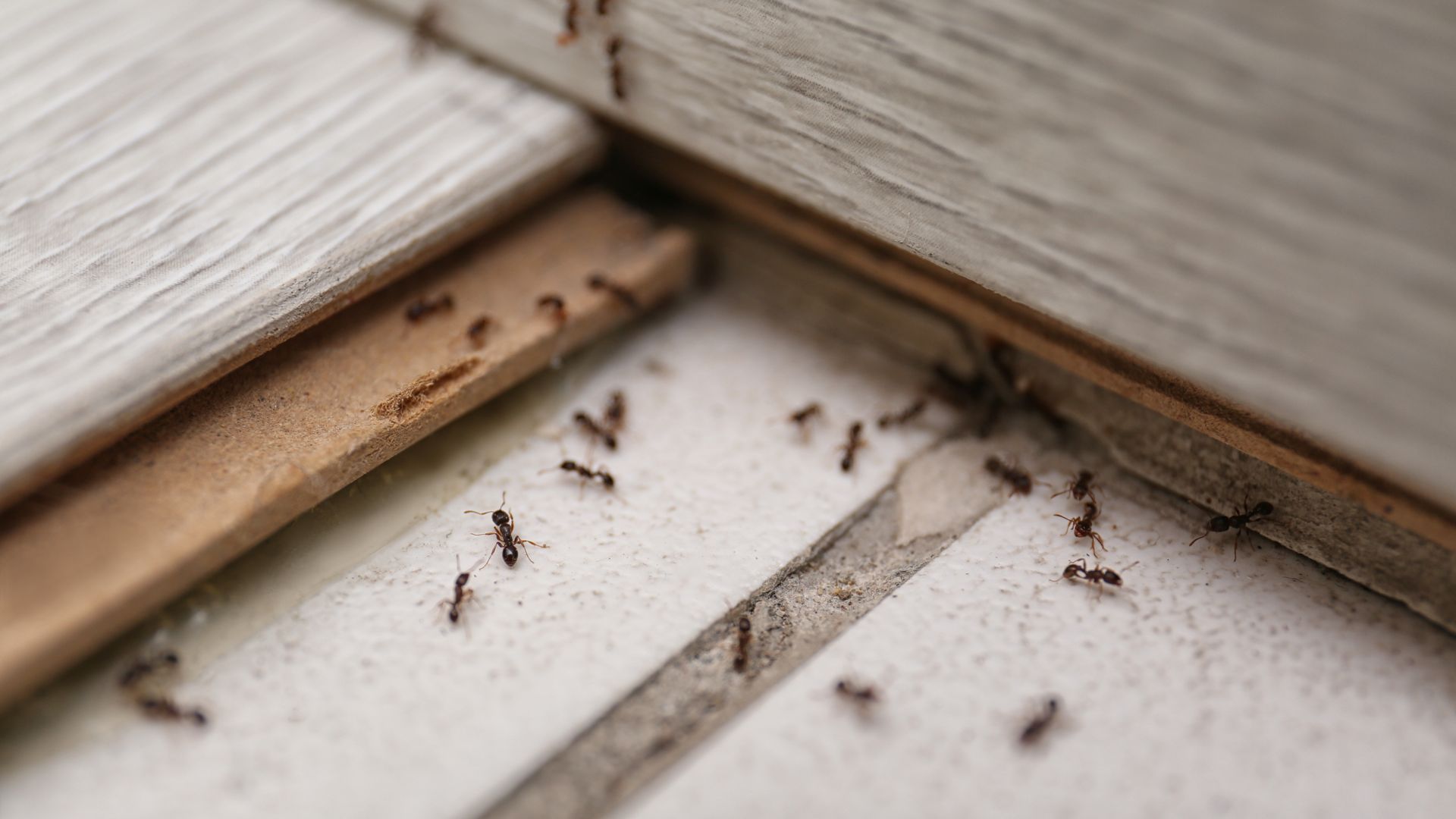
A member of our team will be in touch shortly to confirm your contact details or address questions you may have.

Why Choose Anderson Pest Control?
-
Licensed, Insured, Vetted ProsWe make it easy for you to have confidence in the team you call.
-
Trusted Business For 20+ YearsWe have been serving customers in the Las Vegas area with top-quality pest control since 2002.
-
Contact Us for a Free EstimateWe make it easy to get started with a completely free quote.

.2610291115267.jpg)