Battling the Small Hive Beetle: Protecting Your Las Vegas Hives
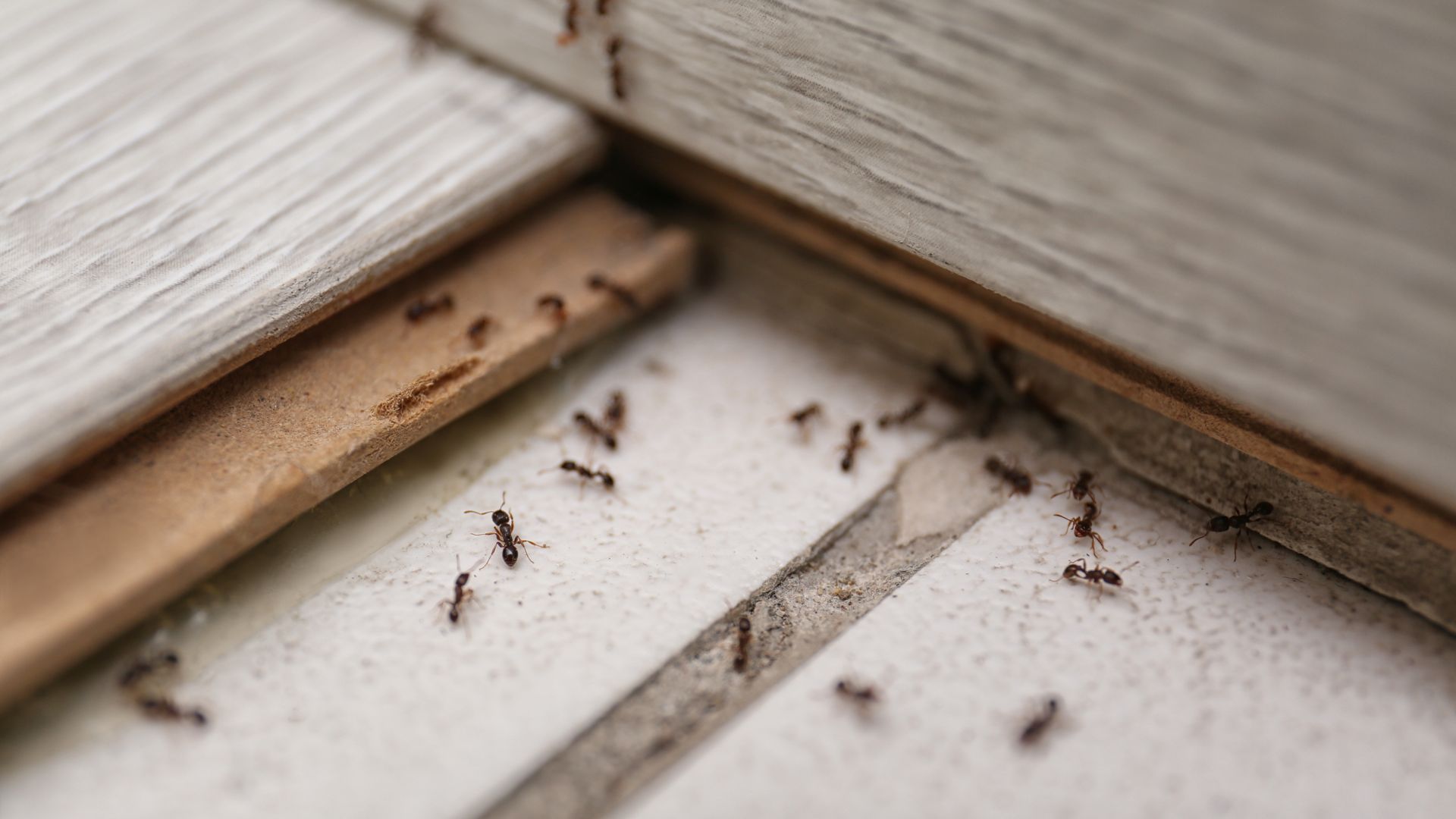
When most people think of Las Vegas and the surrounding Southern Nevada desert, stinging pests like wasps or Africanized honey bees usually come to mind. But local beekeepers face another stealthy intruder that can quietly devastate a thriving colony from the inside out: the Small Hive Beetle (SHB) (Aethina tumida).
Even in our arid desert climate, these resilient pests have found ways to adapt. Managing them is a critical part of routine apiary care. At Anderson Pest Control, where we manage natural and honey-bearing hives, keeping colonies healthy and beetle-free is a daily priority.
Here is what every local beekeeper needs to know about identifying, preventing, and managing small hive beetles before they compromise your hives.
Understanding the Enemy: Why Small Hive Beetles Are So Destructive
A few adult beetles wandering across your frames might not spell immediate disaster for a robust, queen-right colony. However, when populations surge or colonies weaken, the situation escalates quickly.
The real devastation happens during the larval stage. Female beetles slip into the hive to deposit eggs in hidden crevices where bees struggle to patrol. Once hatched, the voracious larvae burrow through the comb, feeding on brood, pollen, and honey.
As they eat and move through the hive, they leave behind waste that introduces a destructive yeast (Kodamaea ohmeri). This yeast ferments the honey, turning pristine combs into a bubbling, ruined mess known as a "slimed-out" hive. When a colony reaches this stage, bees will often abscond or perish entirely.
The Small Hive Beetle Life Cycle Synopsis
Understanding how these pests develop helps target them at vulnerable points:
Eggs: Laid in protected cracks inside the hive; they hatch within days under warm conditions.
Larva: The destructive feeding phase where comb destruction and honey fermentation occur.
Pupation: Mature larvae leave the hive and burrow into nearby soil to pupate. Note: While moist soil is ideal for them, managing the area directly around your hive bases makes a big difference. YES, EVEN IN THE DESERT HERE. Certain areas around Southern Nevada create ideal micro climates for hive beetles to thrive.
Adult Beetles: Emerging adults fly back to hives, sometimes traveling considerable distances to restart the cycle.
Proactive Prevention: Your First Line of Defense
Prevention is always easier than cleaning up a ruined hive. Because bees are naturally defensive, a strong and well-managed colony can usually keep beetle numbers in check. You can support your bees with these best practices:
Match Hive Space to Colony Size: Avoid leaving large, empty supers on small or struggling colonies. Extra space gives beetles safe zones to hide and breed away from patrolling bees.
Maintain Hive Hygiene: Clean up burr comb, remove exposed honey spills immediately, and never leave unprotected wet supers or spare comb lying around.
Optimize Hive Placement: Position your hives in sunny, well-drained areas rather than damp, heavily shaded spots. This is not too difficult here in the desert, but it does take planning.
Avoid Cross-Contamination: Never move suspicious or infested frames into healthy, thriving colonies.
Mechanical and Cultural Management Tools
When prevention isn't quite enough, integrated pest management (IPM) offers chemical-free tools to keep beetle populations under control:
Beetle Jails & Oil Traps: Placed inside the hive or at the bottom board, these traps lure adult beetles and drown them safely, keeping chemicals away from your honey supers.
Screened Bottom Boards: These allow debris and certain larvae to drop away from the active comb area.
Colony Strengthening: Requeening a lagging hive or combining weak colonies ensures there are enough worker bees to cover every frame and police the hive effectively.
Common Pitfalls to Avoid
Beetle infestations often spiral out of control due to a few common missteps:
Waiting until larvae appear before taking action against adult beetles.
Leaving dead or collapsing colonies unmanaged in the apiary.
Relying solely on traps while ignoring overall hive health and overcrowding.
Hive Placement: Balancing Heat and Pest Defense
I will repeat this important integrated pest management step because it's that important. Finding the right spot for your apiary involves a careful balancing act, as full sun placement presents a genuine challenge in preventing your hives from overheating during peak summer heat. Vegas beekeepers must carefully weigh thermal loads, hive ventilation, and strategic shading to ensure the colony remains comfortable, cool, and productive. However, despite the management required to mitigate high temperatures, selecting a fully sunny location is absolutely critical to avoid small hive beetles and prevent the creation of a conducive environment for their reproduction.
This is because small hive beetle larvae must leave the hive and burrow into the surrounding soil to pupate and mature into adults, a developmental stage where they are entirely vulnerable to environmental conditions. They cannot survive in hot, dry, sunbaked dirt, relying instead on moist and shady soil to complete their lifecycle. By positioning your hives squarely in the full sun, you bake the surrounding earth and effectively turn the ground into a natural death trap that halts the beetles' reproductive cycle in its tracks.
Professional Tip:
To optimize your apiary layout, orient the hive entrances toward the east or southeast. This orientation captures the early morning sunlight, which gently warms the colony and helps evaporate any accumulated overnight moisture. To protect the bees from intense heat during peak afternoon hours between noon and 5:00 PM, install vented awnings or an overhead shade cloth providing a 50% to 70% UV block. Be careful to avoid deep, stagnant shade zones that restrict airflow or trap moisture around the equipment.
Additional Tips and Tricks for Your Beekeeping Arsenal
When it comes to daily management, having a few reliable tips and tricks in your beekeeping arsenal can make all the difference in keeping pest numbers low. Simple, direct actions, such as smashing any adult beetles you spot during inspections with your hive tool or sliding an oil trap filled with a quarter-inch of vegetable or mineral oil between the top bars—provide immediate and effective knockdown. Additionally, placing an unscented, dry Swiffer-type cloth across the frames can tangle the beetles' spiky legs, while freezing extracted honey supers for at least 24 hours guarantees that any hidden eggs or tiny larvae are eliminated before storage.
For targeted removal right on the comb, you can adopt resourceful techniques like Ray Hewitt’s 1/8-inch punch trick, which serves as a secret weapon when beetles hide inside empty cells. Using a simple punch that matches the exact diameter of a brood cell, you can crush the hiding beetle against a plastic foundation without causing damage to the surrounding comb structure. This tip only works with plastic foundation. Paired with ground treatments for severe infestations and proactive monitoring, these practical methods ensure you stay a step ahead of infestations and protect your hive's health.
Get Expert Help and Advice
Small hive beetles in you Las Vegas Apiary requires constant vigilance, but with early detection and solid hive management, you can keep your bees productive and strong.
Whether you need practical beekeeping guidance, swarm collection help or trusted pest solutions across Southern Nevada, the team at Anderson Pest Control is here to assist.
Phone: 702-656-8898
Website: https://www.controlthebugs.
com/