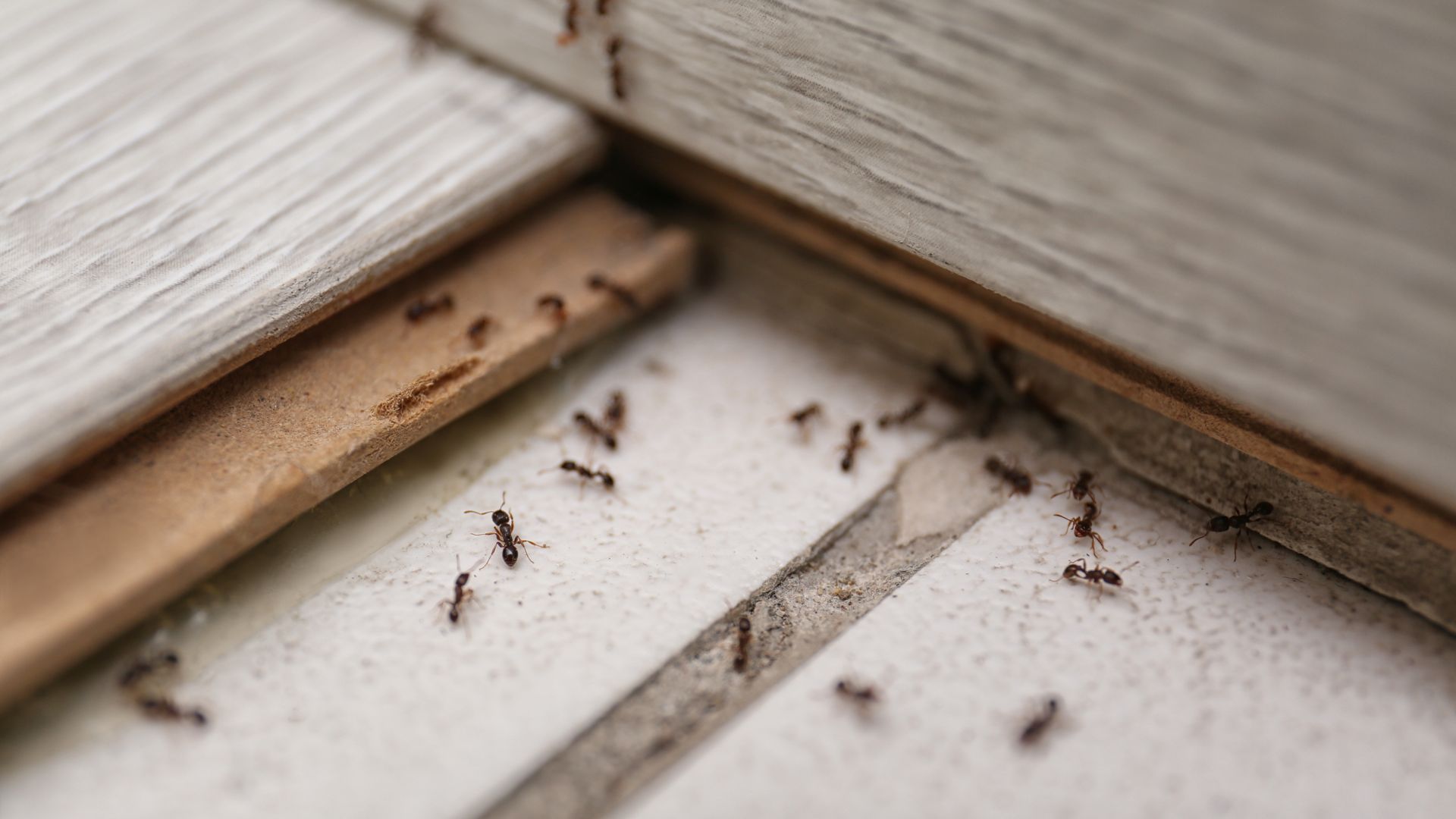
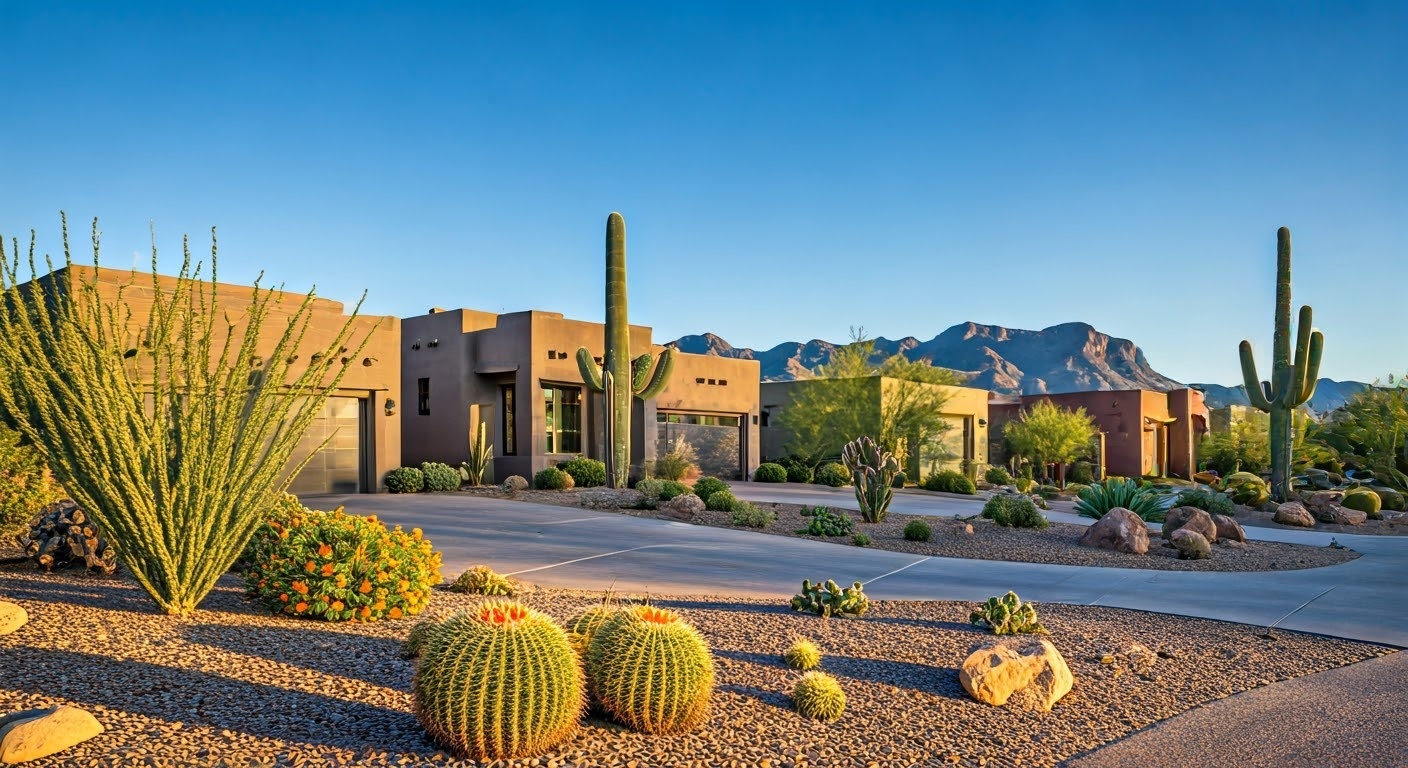
When safeguarding your property in the Nevada Desert, managing bugs is only half the battle. From rattlesnake removal to full home exclusions, professional pest and wildlife management requires a deep understanding of animal behavior and biology. True protection goes beyond a simple spray-and-pray approach; it involves comprehensive cleanup, sanitation, and physical exclusion to shield your home or business from bio-hazards and future wildlife intrusions.
Whether you're dealing with animals trapped in walls, attics, chimneys, or fences, or looking to prevent unwanted desert visitors from moving in, proactive prevention is your best defense. Here are essential tips and seasonal precautions homeowners across Las Vegas, Henderson, Boulder City, and Pahrump can take to keep pests at bay.
1. Seal Your Perimeter: Weather-Stripping & Doors
One of the easiest and most cost-effective steps you can take is installing or replacing weather-stripping around loose-fitting doors and windows. Not only does this block tiny entry points for scorpions, roaches, and rodents, but it offers the added advantage of reducing energy costs by preventing cool air from leaking out during blistering desert summers.
If your household uses a doggy door, check the seal and magnets regularly. Whenever possible, it is best to lock or seal doggy doors securely at night, as nocturnal intruders like roof rats and raccoons frequently use them as private entry points.
2. Rethink Bird Feeders & Seed Management
Feeding backyard birds is popular, but bird seed, quail blocks, and suet are an open invitation for rodents, pack rats, and ground squirrels. If you put out seed, limit the amount so that birds finish it completely in the morning. Any seed or grain left sitting out overnight acts as an all-night buffet for rodents.
Worse yet, an abundance of seed and small rodents will quickly attract their predators, including rattlesnakes.
3. Beware of Destructive Desert Rodents
Desert rodents like squirrels and roof rats can cause catastrophic property damage. Rock squirrels are notoriously destructive; they have been known to chew softball-sized holes right through air conditioning ducts while trying to enter attics.
Across the arid neighborhoods of the Southwest, from Southern Nevada to the Sonoran Desert expanses of Arizona—ground squirrels are common sights in open yards, gravel beds, rock borders, and properties bordering untouched desert. While seeing a squirrel dart across landscape rock might seem harmless at first, the real danger isn't the animal itself; it's where they choose to dig their burrows.
When fresh holes continually pop up near foundations, walkways, and retaining walls, it’s time to take a closer look at what’s happening beneath the surface.
Spotting the Signs: Identifying Desert Ground Squirrels
Homeowners typically encounter three main species of ground squirrels across our regional desert service areas:
Round-Tailed Ground Squirrel: Small, sandy-colored, and sporting a thin tail, these are frequently spotted scurrying across open gravel yards.
Harris’s Antelope Ground Squirrel: Similar in size, this species is easily recognized by the pale stripes running along its sides and its distinct habit of running with its tail curled high over its back along walls or rock borders.
The Rock Squirrel: The largest of the three, the rock squirrel features a bushy tail that often leads homeowners to mistake it for a tree squirrel.
While appearance varies, all three species dig extensive underground burrow systems that can compromise property if left unchecked.
Key Signs of Ground Squirrel Activity in Your Yard
Ground squirrel activity leaves distinct clues around residential properties:
Active Burrow Openings: Look for open holes a few inches across in bare or lightly covered soil near fence lines, foundation edges, garden beds, and walkways. Freshly turned soil indicates an active burrow.
Extensive Tunnel Networks: Established colonies dig deep underground systems connecting multiple chambers. As colonies expand, soil displacement becomes more pronounced.
Damaged Irrigation & Vegetation: Chewed drip lines, severed plant roots, and nibbled low-growing vegetation are classic indicators of hungry foragers nearby.
Basking in the Open: Because they are diurnal (active during daylight), you’ll often catch them in the morning perched on boulders, retaining walls, or raised landscaping watching for predators.
Can Ground Squirrels Get Inside Your Home?
While primarily outdoor dwellers, ground squirrels can occasionally find their way into living spaces or crawl spaces through gaps along stucco or block walls, unscreened foundation vents, or utility conduit openings.
Inside a crawl space or attic, warning signs include scratching or scurrying noises, droppings, and gnaw marks on electrical wiring or insulation. Sealing these structural vulnerabilities is critical to keeping them out.
What Attracts Ground Squirrels to Desert Yards?
Most desert properties naturally offer the exact environment ground squirrels look for:
Open Sightlines: Ground squirrels prefer sparse, open terrain where they have clear sightlines to spot approaching predators rather than relying solely on food abundance. Short groundcover and gravel margins mimic this natural habitat.
Observation Posts & Shelter: Raised landscape features, decorative boulders, and retaining walls provide perfect lookout posts and safe cover.
Accessible Food Sources: Fallen fruit from citrus or pomegranates, open pet food, and bird seed left out overnight give squirrels and rodents every reason to settle down permanently rather than moving on.
The Damage: Why Burrows Threaten Foundations and Property
Ground squirrel infestations present two major headaches for homeowners: physical property damage and secondary pest risks.
Foundation & Landscape Erosion: Tunnels running underneath concrete walkways, driveways, retaining walls, or the base of your home erode supporting soil. This structural shifting develops gradually and often goes unnoticed until significant underground excavation has occurred. Irrigation lines running through burrow networks are also frequently sheared apart.
Secondary Pests & Health Risks: Burrows can harbor fleas and other ectoparasites capable of transmitting disease, such as plague, which is endemic to burrowing rodents in the Southwest. Furthermore, abandoned or active burrows easily shelter stinging insects and other undesirable pests.
How to Get Rid of Ground Squirrels
Managing ground squirrels requires a two-pronged approach: removing what attracts them and treating established burrow systems.
Modify Your Landscape: Clear fallen fruit, secure bird seed, and trim bushes and vegetation low to the ground near structures to eliminate hiding spots and ground-level cover.
Professional Inspection & Treatment: While removing attractants slows down activity, active burrows near your foundation cannot be solved with DIY methods alone. A professional inspection maps the extent of the underground tunnel system, identifies the exact species, and ensures treatments are targeted safely away from your living spaces.
Noticing fresh burrows or property damage around your home? Contact Anderson Pest Control today for a professional inspection and a customized treatment plan built for desert property protection!
Furthermore, when it comes to fruit trees (such as citrus and pomegranates), it is vital to remove fallen fruit from the ground and harvest or clear ripe fruit remaining on the branches. Roof rats are exceptional climbers and will strip fruit straight off the branch, using it as fuel to move indoors.
4. Landscaping & Ground Cover: Eliminate Hiding Spots
Overgrown landscaping provides the ultimate highway and shelter for desert pests. Keep plants, bushes, and shrubs that sit close to the house and in the yard trimmed well up off the ground so you have clear visibility underneath. Dense ground cover and low-hanging branches create safe, shaded pathways for critters to hide right up against your foundation.
5. Respect Desert Wildlife & Call the Professionals
Animals like snakes play an important role as nature’s best rodent control, but venomous species like rattlesnakes pose a real, dangerous hazard to your family and pets. If you spot a snake on your property, never attempt to handle it. Keep a safe eye on it from a distance and call a professional to safely relocate it.
Similarly, when wildlife or severe infestations breach your roofline, wall voids, or HVAC systems, professional exclusion ensures the animals are safely removed and entry points are permanently sealed against future invasions.
Ready to fortify your home against desert pests and wildlife? Contact Anderson Pest Control today for a fast, free quote on complete home exclusion and pest management!