Fall is officially here, and for families across the Las Vegas Valley, cooler temperatures mean more opportunities to enjoy the outdoors. Backyard barbecues, evening patio gatherings, weekend hikes, and time spent around the fire pit become much more enjoyable once the brutal summer heat finally begins to fade.
But as Southern Nevada cools down, local pests don't simply disappear. In fact, the changing weather can bring a shift in pest activity, with ticks and stinging insects remaining a concern for homeowners spending more time outside.
At Anderson Pest Control, we want you to enjoy the warm weather without worrying about painful stings or the risks of tick-borne illnesses like Lyme disease. Keeping your loved ones safe starts with a little bit of know-how and a few preventative steps
1. Spotting and Avoiding Paper Wasps on the Patio
Paper wasps are incredibly common summer guests. Unlike yellowjackets, which often nest underground, paper wasps prefer to build their homes directly where we like to lounge.
Identification and Hiding Spots
Paper wasp nests look like upside-down umbrellas with open, exposed hexagonal combs. They build these nests using chewed wood mixed with saliva, giving them a distinct papery appearance.
Be sure to check these frequent nesting spots before settling down outside:
Roof eaves and gutters: Look up along your home's roofline and overhangs.
Patio furniture: Check underneath the armrests of chairs, inside table legs, or under the fabric of patio umbrellas.
Playgrounds: Inspect the undersides of slides, swings, and climbing structures.
Pro-Tip: If you see a nest, do not swat at it or try to knock it down with a broom. Paper wasps are protective of their homes and will sting repeatedly if they feel threatened. Call a pest professional who has the protective bee suit and products to get the job done safely.
2. Hit the Trails Safely: Tick Prevention Beyond the Backyard
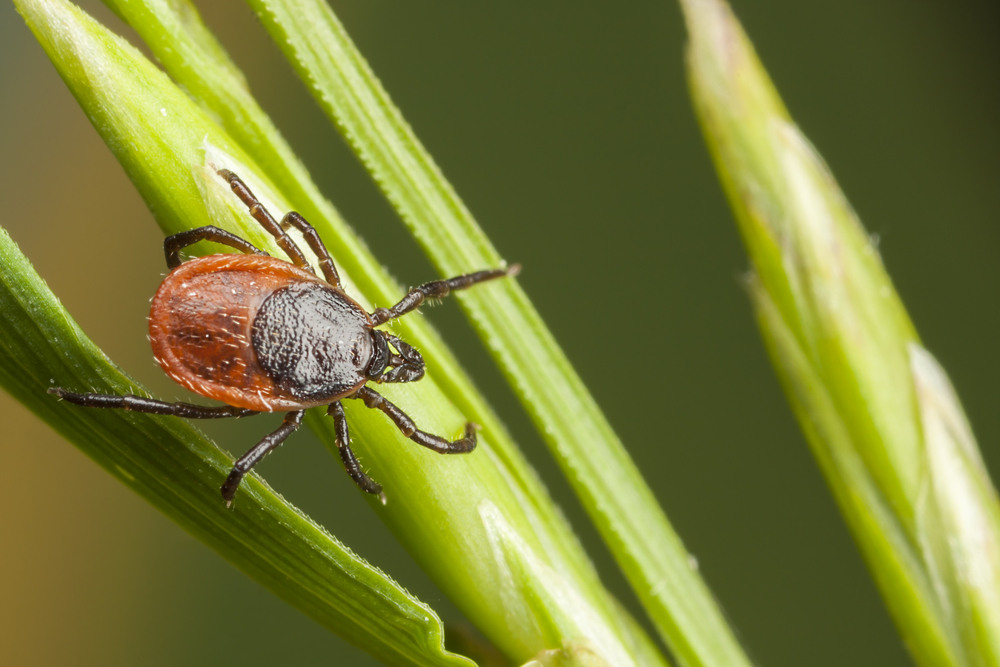
Whether you are walking your dog down a wooden path up in Mt. Charleston or tackling a local, desert hiking trail, ticks are a serious consideration in late June. Blacklegged ticks (deer ticks) are particularly small, especially in their younger nymph stage, making them difficult to spot without a careful eye.
To protect yourself and your family on the trails, follow these three essential steps:
Stick to the Center: Ticks don’t jump or fly. They use a behavior called "questing"—holding onto long grass or twigs with their back legs while extending their front legs to grab onto a passing host. Walking directly in the middle of cleared trails minimizes your contact with brush.
Dress Defensively: Wear light-colored clothing so crawling ticks are easy to spot. Tuck your pants into your socks to create a physical barrier.
Apply Repellent: Use an EPA-registered insect repellent containing DEET, picaridin, or IR3535. For heavy trail hiking, treating outdoor gear and clothing with permethrin offers excellent, long-lasting protection.
3. Fortify Your Yard: Property Management Best Practices
You don't have to leave home to encounter ticks or stinging insects. Your backyard can easily become prime real estate for pests if left unmanaged. By making a few simple structural tweaks, you can significantly reduce their preferred habitats:
Keep the Lawn Mowed: Short grass lowers humidity at the ground level, creating a dry environment that ticks actively avoid to preserve moisture.
Clear Out Brush Piles: Piles of fallen branches, grass clippings, and leaf litter are perfect hiding spots for rodents. Because mice and rats are primary hosts for immature ticks, keeping rodents away from your home directly keeps tick populations down.
Manage the Border: If your property backs up to a wooded area, create a 3-foot-wide barrier of wood chips or gravel between your lawn and the woods. This acts as a physical boundary line that restricts tick migration into your active recreation space.
Take Action For Your Family’s Safety Want to dig deeper into protecting your household this summer? Review the CDC's Comprehensive Tick Bite Prevention Guide to learn exactly how to perform thorough post-hike tick checks and safely remove a tick if you find one.
If you suspect a wasp infestation has grown too large to safely handle on your own, or if you want an expert barrier treatment to keep ticks out of your yard all summer long, give Anderson Pest Control a call today. Let us handle the pests so you can enjoy the summer! www.controlthebugs.com (702) 656-8898 office Save $100 Now.