Foothills, NV Pest Control
Professional Pest Control For Foothills, NV Properties
Foothills, NV is more than just a neighborhood; it’s a community that many local homes and business owners affectionately call home. While there is a lot to love about living here, we also face many pests that can damage our property and spread harmful diseases. Therefore, if you are a home or business owner, you need to consider protecting your property with pest services that work effectively.
Here at Anderson Pest Control, we offer residential and commercial pest solutions that you can count on to keep your home or business safe from pests and the various threats that they pose. Don’t let these unwanted invaders damage your home, or drive customers away from your business. Reach out to us today to learn more about our residential and commercial pest services.
When pests get into a home, there’s no telling how many issues they might cause. While some can destroy your property, calling for costly repairs, others can spread harmful bacteria, pathogens, and disease to food products and other surfaces. Given this, you need effective residential pest solutions to protect both your home and your family from these destructive and dangerous pests. With a residential pest control plan from Anderson Pest Control, that’s exactly what you get. We begin by inspecting your home so that we can get a firm understanding of your current pest situation. Then, we will devise an IPM treatment plan based on our findings. Follow-up visits are also available to ensure your home remains pest-free throughout the year. To learn more about our approach to residential pest control, contact us today.
Cockroach Control: How To Get Rid OF Roaches In Foothills
Cockroaches might be the most unsightly pests you’ll ever come across in your Foothills home. What’s worse, they can spread many disease-causing bacteria and pathogens when they invade. As such, you need to know the steps you can take to keep these dangerous pests out of your home. This includes removing any factors that attract them inside and sealing off potential entry points.
- Store food in airtight containers or the fridge.
- Wipe up any spills from countertops or the floor immediately.
- Store trash in bins with tight-fitting lids.
- Install door sweeps under exterior doors.
- Fill in cracks in your home’s foundation.
If you are currently dealing with a cockroach infestation in your home, contact the professionals here at Anderson Pest Control. We have the experience and expertise needed to effectively eliminate any infestation with which you are dealing. Give us a call today to learn more.
How Dangerous Is It To Have Stinging Insects In My Foothills Backyard?
Although they are quite beneficial to the ecosystem, stinging insects are never a welcome sight in your Foothills backyard. These pests include bees, wasps, and hornets, and, as their name might suggest, they possess stingers which they can use to inflict painful stings.
Not only are the stings from these pests painful, but they can also cause further health complications. This is especially true for people who are allergic. Even if you are not allergic, if you are stung multiple times, or are stung in the neck or face, you may face serious health complications.
Given this, it is important to take the necessary precautions to limit these pests around your yard. When it comes to limiting stinging insects in Foothills, there’s no one better than the pest experts here at Anderson Pest Control. Give us a call today to learn more.
Commercial Pest Control In Foothills, NV
At Anderson Pest Control, we know that no two businesses are exactly alike. That’s why each of our commercial pest control plans is unique to the specific business for which it was created. After all, a restaurant and warehouse seldom require the same approach to pest control. Here at Anderson Pest Control, our customers’ satisfaction is our utmost concern. That’s why we listen to you when you tell us the pest control needs, requirements, and regulations of your business. Then, we will devise a treatment plan with those in mind. You don’t need to settle for the one-size-fits-all solutions of our competitors. Find a commercial pest plan that works for you and your business. Give us a call today to learn more about our commercial pest services in Foothills, NV.
What Foothills Homeowners Need To Know About Argentine Ants
While all ants may look similar at first glance, each species of ant that lives in Nevada is unique and has its behaviors, food, and nesting preferences. Several types of ants may make themselves at home on your Foothills property; today, we want to talk about the Argentine ant.
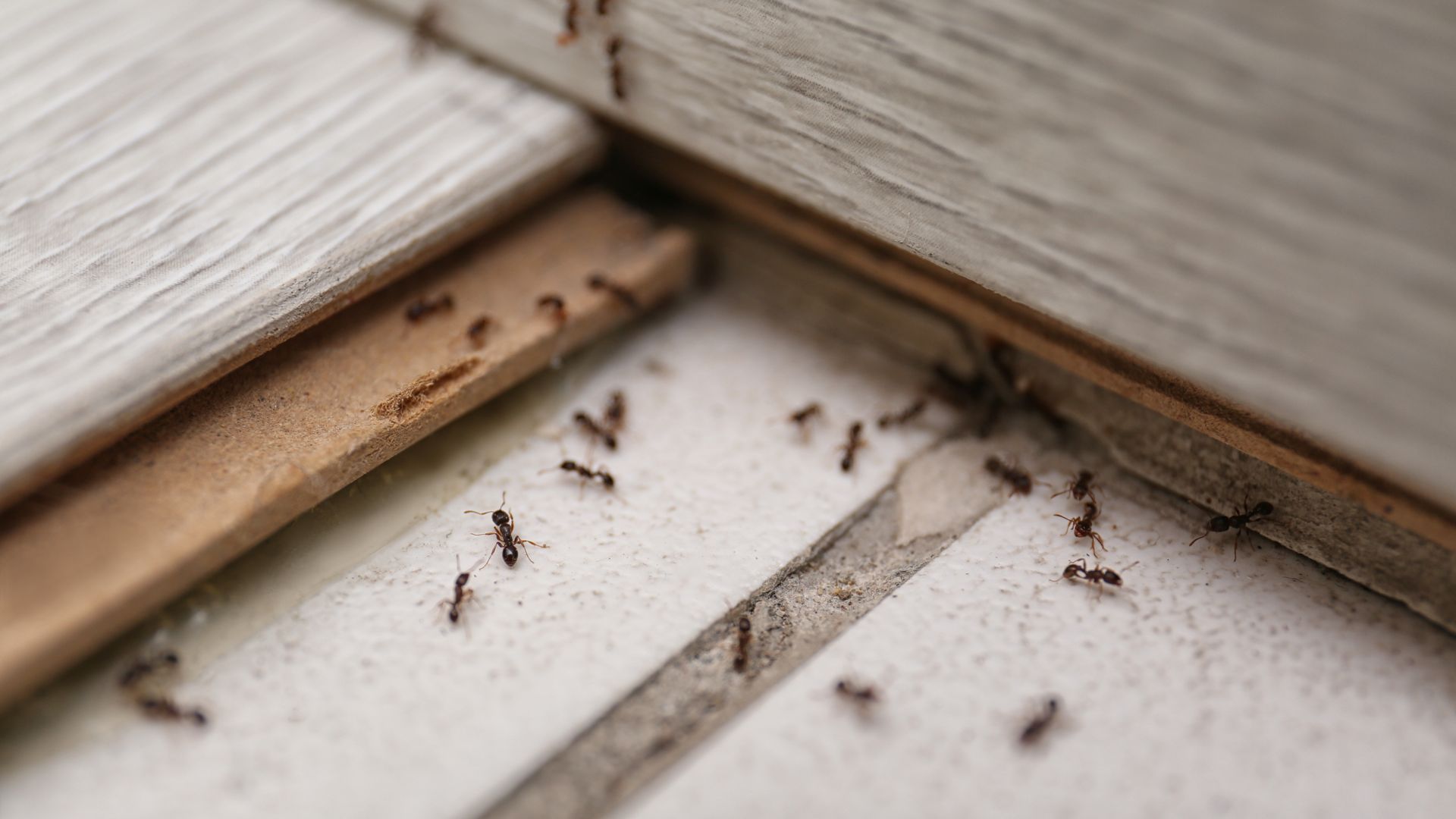
What you need to know about Argentine ants is that their physical appearance isn't very notable; they look like your typical small, brown ant. How they travel is the best way to identify problems with these ants. Argentine ants move together in large groups. Seeing wide trails of slow-moving ants should alert you to a problem with this species.
When large numbers of these ants enter your home, they will contaminate surfaces and food, be a considerable annoyance, and be seemingly impossible to eliminate. If Argentine ants find their way to your property, don't try to stop them on your own. Reach out to us at Anderson Pest Control so we can provide the home pest control services for ants necessary to eliminate these pests and prevent their return.
What Your Foothills Lawn Wants You To Know About Damaging Weeds
If your Foothills lawn could talk, it would let you know that it doesn't appreciate weeds taking over, causing damage, and making it look less than its best! Like mice and ants that go where they don't belong, weeds also don't go where they belong- they come to our lawns. In our region, many types of weeds can make themselves at home on our Foothills properties and take away the nutrients of our lawns.
Support your lawn and keep weeds from damaging it by regularly maintaining it with the help of a lawn service that specializes in weed control. At Anderson Pest Control, our targeted weed applications will prevent weeds from taking over your Foothills lawn. Call today to learn more about why we are the right choice for you and your lawn!
Bed Bug Prevention Is Possible In Foothills
Bed bugs are pests that hitchhike in on people or our belongings as we travel from place to place. Their small size, ability to remain unseen and nocturnal habits make them a tricky pest to avoid. Though they may be difficult to prevent, they are certainly not impossible.
You can take some steps to help avoid bed bugs from taking over your Foothills home. After returning home from traveling, wash and dry all clothing taken, and inspect luggage for bed bugs. Regularly check backpacks, purses, and other items you use daily for bed bugs. Take care when using shared laundry facilities. Always use your laundry baskets and take your laundry home to fold. It is also a good idea to regularly vacuum your home's floors and upholstered furniture and change and wash your family's bedding.
Despite your best efforts, because bed bugs live where people live, they can still find their way into any of our homes. At the first signs of bed bugs in your home, reach out to us at Anderson Pest Control for the best bed bug control in Foothills.
Three Things Everyone In Foothills Ought To Know About Rats
Unfortunately, rats are regularly becoming a problem for Foothills' property owners. To help avoid issues with rats, we want to help you learn a bit more about these rodents.
Here are three of the most important things you should know about rats:
- Rats have powerful jaws and sharp front teeth. and are destructive, causing damage by chewing on wires, furniture, electrical equipment, and food storage containers.
- Rats are not just an annoyance; they are a danger. They spread disease, parasites, allergens, and more. If cornered, rats may deliver painful bites to defend themselves from harm.
- Rats want to live near or with us, so keeping them at bay is difficult. They have learned that wherever people live or spend time, there will be plenty of sources of food, water, and shelter available.
For help with rat control on your Foothills property, contact our professionals at Anderson Pest Control. We are here to help you keep rats in Nevada away from your family and home.
The Desert Foothills Property Protection Series
Specialized Pest Control for Foothills at MacDonald Ranch – Henderson, Nevada
THE NIGHTTIME CHORUS
Cricket Control & Prevention in Desert Foothills Homes
When the Desert Goes Quiet, the Crickets Begin Their Concert
There is something unmistakable about a Southern Nevada evening. The sun slips behind the McCullough Mountains, the desert landscape cools, outdoor lighting illuminates the patios, and a familiar nighttime soundtrack begins.
Unfortunately, not every musician in the Desert Foothills is welcome.
Crickets can turn a peaceful evening into an unexpectedly loud neighborhood concert. Their chirping may seem harmless, but when populations establish themselves around a residence, the consequences can extend beyond the noise. Crickets may feed on fabrics, paper products, plant material, and other organic matter. They can also become a food source for spiders, scorpions, and other predators.
For homeowners in Foothills at MacDonald Ranch, understanding the relationship between irrigation, landscaping, lighting, and cricket activity is an important part of keeping unwanted insects outside.
The Two Cricket Characters Homeowners Should Know
Field Crickets: The Outdoor Musicians
Field crickets are generally dark-colored, robust insects with powerful hind legs designed for jumping. They commonly inhabit vegetation, ground cover, landscape beds, and protected outdoor spaces.
Their familiar chirping is produced when males rub specialized structures on their forewings together. Temperature influences their activity, which is why warm Southern Nevada evenings can become particularly noisy.
Around residential properties, field crickets may congregate near exterior lighting, landscape vegetation, irrigation zones, and the sheltered edges of buildings.
Camel Crickets: The Unexpected Garage Visitors
Camel crickets have a distinctly different appearance. Their humpbacked bodies, exceptionally long antennae, and oversized hind legs make them look almost prehistoric. Unlike field crickets, camel crickets do not produce the familiar chirping sound. They are generally associated with dark, sheltered, humid environments.
Garages, storage areas, crawlspaces, and protected structural voids can provide favorable hiding places when moisture and shelter are available.
Why Desert Foothills Properties Can Attract Crickets
The Mojave Desert may be naturally dry, but residential landscaping changes the environment immediately surrounding a home.
Consider the microclimates created by:
- Drip irrigation surrounding ornamental shrubs.
- Decorative rock beds retaining pockets of moisture.
- Dense ground cover and landscape vegetation.
- Outdoor kitchens, storage cabinets, and patio furniture.
- Water features and poorly draining irrigation areas.
- Exterior lighting that attracts flying insects and other potential cricket food sources.
A home may sit in an otherwise dry desert environment while its irrigated landscape creates a series of small, favorable habitats.
That contrast is one of the most important things to understand about suburban pest management in Henderson.
The Unwanted Food Chain: Crickets, Spiders, and Scorpions
Crickets are not simply an isolated pest problem. They occupy an important position in the desert food web. Spiders and scorpions are predators that feed on insects, including crickets. Consequently, substantial insect activity around a property can provide additional feeding opportunities for these predators.
This does not mean every cricket problem will automatically produce a scorpion infestation. It does mean that managing the insect populations surrounding a home can contribute to a broader pest-management strategy.
At Anderson Pest Control, we look beyond the individual insect. We want to understand why the property is attracting it in the first place.
Where Crickets Hide Around Foothills Homes
During an inspection, particular attention should be given to:
- Garage door corners and weatherstripping.
- Utility penetrations and foundation gaps.
- Landscape beds immediately adjoining the home.
- Irrigation valve boxes and damp protected spaces.
- Patio storage cabinets and outdoor furniture.
- Ground-level vegetation and decorative rock.
- Storage rooms containing cardboard and fabrics.
The objective is to identify both the insects and the conditions that support them.
Anderson Pest Control's Cricket Management Strategy
An effective cricket-management program begins with identifying the species and understanding its habitat.
Depending on the infestation and property conditions, our approach may include:
1. Exterior perimeter management
Targeted applications to appropriate exterior locations can help reduce cricket activity around the structure and potential entry points.
2. Granular baiting
Professional granular bait formulations, including appropriately selected Niban products where suitable, may be incorporated into an exterior treatment strategy according to label directions.
3. Harborage reduction
We identify unnecessary moisture, excessive vegetation, clutter, and other conditions that provide hiding places.
4. Entry-point recommendations
Garage door gaps, damaged weatherstripping, utility penetrations, and structural openings deserve attention.
5. Ongoing monitoring
Recurring pest activity should be evaluated rather than treated as an isolated event. Seasonal changes and irrigation adjustments can influence cricket pressure.
Five Homeowner Strategies for a Quieter Evening
1. Keep exterior lighting directed away from entry doors where practical.
2. Replace damaged garage door weatherstripping.
3. Avoid allowing irrigation to saturate the foundation perimeter.
4. Remove accumulated leaves, cardboard, and unnecessary landscape debris.
5. Keep shrubs and dense vegetation from becoming overgrown against exterior walls.
Frequently Asked Questions
Why are crickets suddenly appearing in my garage?
Crickets may enter through garage door gaps, utility openings, or other structural openings. Outdoor populations may also increase following changes in temperature, moisture, or surrounding vegetation.
Do crickets attract scorpions?
Crickets are among the insects scorpions may consume. Reducing insect activity around the property can help reduce available prey, although it does not guarantee scorpion elimination.
Why do I hear crickets but rarely see them?
Many cricket species are most active during evening and nighttime hours. They also hide beneath vegetation, rocks, and other protected areas during daylight.
Will one treatment eliminate crickets permanently?
No treatment can guarantee permanent elimination. New insects can migrate from surrounding landscapes, and environmental conditions can change. A maintenance-based approach is generally more practical.
Anderson Pest Control: Turning Down the Desert Nightlife
Your patio should be a place to enjoy the evening breeze, not a front-row seat to an unwanted cricket concert. Anderson Pest Control helps Foothills homeowners identify the conditions that encourage cricket activity and develop practical, ongoing protection strategies.
Enjoy the evening. Leave the concert to the desert.
Contact Anderson Pest Control for professional cricket control in Foothills at MacDonald Ranch.
THE HIDDEN GARDEN INVADERS
Snail & Slug Control in Desert Foothills Landscapes
The Mojave Desert Has a Secret: It Can Be a Wonderful Place for Snails
It may seem strange to discuss snails and slugs in the middle of the Mojave Desert.
After all, these soft-bodied creatures are usually associated with rainy gardens, cool forests, and damp environments.
But walk through a beautifully landscaped Desert Foothills neighborhood early in the morning, and you may discover an entirely different environment beneath the ornamental shrubs, decorative rocks, and irrigation lines.
The secret is moisture. Modern residential landscaping creates small, artificial habitats that can support creatures that would otherwise struggle in the surrounding desert.
A leaking irrigation connection, shaded planter, damp valve box, or regularly watered garden bed may provide precisely the conditions these mollusks need.
Understanding the Difference Between Snails and Slugs
Both snails and slugs belong to the animal group Mollusca. They are not insects, spiders, or worms. They belong to a class called Gastropoda and move using a muscular foot that produces mucus, allowing them to travel across surfaces.
Garden Snails
The brown garden snail is a familiar landscape pest. It carries a coiled external shell that protects its soft body and provides a place to retreat when conditions become unfavorable. Snails frequently hide beneath rocks, pots, dense vegetation, landscape edging, and other protected objects during the day.
Field Slugs
Slugs have no prominent external shell. Their soft bodies allow them to squeeze into narrow hiding spaces and remain concealed beneath damp objects. Some species possess a small internal or reduced shell structure, but it is not the large external spiral shell associated with garden snails.
Why Irrigation Can Create a Mollusk Paradise
Residential landscaping can unintentionally reproduce the conditions snails and slugs need.
Look closely at a typical landscaped Henderson property:
- Irrigation operates on a regular schedule.
- Ornamental shrubs create shaded ground-level cover.
- Decorative rock provides daytime shelter.
- Dense foliage protects the soil from direct sunlight.
- Irrigation leaks create persistent moisture.
- Planters and garden beds provide food and shelter.
The surrounding desert may be dry, but the landscape immediately surrounding the home can be considerably more hospitable. Snails and slugs generally become more active during cooler, wetter periods and at night, when moisture loss is reduced.
What Are They Eating?
These creatures possess a specialized feeding structure called a radula, which functions somewhat like a microscopic rasp. They use it to scrape food from surfaces.
Depending on the species and available food, their diet may include:
- Tender ornamental foliage.
- Young seedlings.
- Flowers and succulent plant material.
- Garden vegetables.
- Decaying vegetation.
- Algae and organic material.
Damage often appears as irregular holes in leaves, missing seedlings, or shredded plant tissue. One useful identification clue is the silvery mucus trail that snails and slugs leave behind.
Not every damaged leaf is the work of a mollusk. Caterpillars, earwigs, and other chewing pests can create similar damage.
The Forgotten Hiding Places
Homeowners often look directly at damaged plants without examining the places where the animals spend their daylight hours.
Important inspection locations include:
- Beneath decorative boulders.
- Under flowerpots and planter trays.
- Around irrigation valve boxes.
- Beneath landscape edging.
- Along damp block walls.
- Beneath dense shrubs.
- Around leaking irrigation emitters.
- Under outdoor storage containers.
These locations are especially important because eliminating the food source alone may not resolve the underlying problem.
Do Snails and Slugs Attract Roof Rats?
This subject deserves a little clarification. Some rodents consume mollusks as part of their varied diet, but snails and slugs should not be presented as a primary or universal roof-rat attractant.
If roof rats are present, investigate the more significant attractants: fruit trees, pet food, bird seed, garbage, accessible water, and overhead travel routes.
The presence of snails and slugs is a reason to investigate moisture and landscape conditions, not evidence by itself of a rodent infestation.
Anderson Pest Control's Mollusk Management Approach
Our objective is to identify the moisture and shelter conditions that allow mollusks to establish themselves.
Depending on the property, an appropriate program may include:
Landscape inspection: Identify concentrated snail and slug activity, feeding locations, and daytime hiding places.
Moisture evaluation: Look for leaking irrigation, excessive watering, standing water, and chronically damp areas.
Targeted baiting: Where appropriate, properly selected professional mollusk baits can supplement habitat modification. Product selection and placement must follow label requirements, particularly around pets, children, and wildlife.
Environmental recommendations: Reduce unnecessary shelter and improve irrigation practices.
Follow-up assessment: Evaluate whether the population is declining and whether additional adjustments are needed.
Six Ways to Make Your Landscape Less Attractive
1. Water early in the morning when practical.
2. Repair leaking irrigation emitters.
3. Remove unnecessary boards, containers, and debris.
4. Avoid excessive moisture around foundations.
5. Inspect beneath decorative rocks and planters.
6. Regularly examine susceptible plants for fresh feeding damage.
Frequently Asked Questions
Why do I have snails in the desert?
Residential irrigation, ornamental vegetation, and shaded hiding places can create favorable conditions despite the surrounding arid climate.
Are snails active during the day?
They generally prefer cooler, moist periods and often become more active at night or after irrigation and rainfall.
Do snails damage desert landscaping?
They may feed on susceptible ornamental plants, flowers, seedlings, and other vegetation.
Will bait alone solve my snail problem?
Not necessarily. Long-term management generally requires reducing moisture and hiding places in addition to appropriately selected baiting methods.
Protect the Landscape You Worked Hard to Create
Your Foothills landscape is an investment in the appearance and enjoyment of your property. Anderson Pest Control helps homeowners understand the environmental conditions behind persistent snail and slug activity. Because beautiful landscaping should attract admiration, not a midnight feeding party.
THE NIGHT HUNTERS
Scorpion Control & Prevention in Desert Foothills Homes
After Sunset, the Desert Has a Different Set of Rules
During daylight, the Desert Foothills can appear almost motionless. The rocks are warm, the landscape is quiet, and the surrounding desert seems perfectly still.
But when temperatures begin to fall, an entirely different world awakens. Scorpions emerge from protected hiding places, navigate walls and landscape features, and begin searching for prey.
For homeowners in Foothills at MacDonald Ranch, scorpion activity is more than an unpleasant surprise. It is a reason to understand how these remarkable arachnids interact with residential structures.
Not Every Scorpion Is the Same
Nevada supports multiple scorpion species, and identification matters. The bark scorpion is particularly important in Southern Nevada because of its climbing behavior and medically significant sting.
Other local scorpions include ground-dwelling species that may look very different. A large, heavy-bodied desert scorpion should not automatically be confused with a smaller, more slender bark scorpion.
The Bark Scorpion
Bark scorpions are relatively slender and capable climbers. Unlike many desert scorpions that remain close to the ground, they can climb rough and textured surfaces, trees, walls, and structural features.
This ability changes the way homeowners should think about scorpion prevention. A ground-level barrier alone cannot address every route a climbing scorpion might use.
The Amazing Science of Scorpion Detection
Scorpions are nocturnal hunters equipped with specialized sensory structures. Their pectines, comb-like organs located underneath the body, help them detect chemical and physical information from the surfaces they travel across. They also possess fine sensory hairs that detect vibrations and air movement. These adaptations help scorpions locate prey and navigate their surroundings in darkness.
One of the most interesting features of scorpions is their fluorescence under ultraviolet light. Under a suitable black light, many scorpions glow blue-green because of fluorescent compounds in their outer exoskeleton. This property makes nighttime UV inspections a valuable tool for locating scorpions that might otherwise remain difficult to see.
Why Foothills Homes Deserve a Detailed Inspection
The combination of landscaped residential lots, retaining walls, decorative stone, outdoor lighting, and structural features can create numerous hiding places and travel routes.
Pay particular attention to:
- Concrete block walls and wall joints.
- Rock retaining walls.
- Decorative boulders.
- Palm tree bark and tree cavities.
- Exterior stucco cracks.
- Utility penetrations.
- Garage door openings.
- Irrigation valve boxes.
- Patio storage areas.
- Roofline and exterior structural gaps.
A scorpion does not need a wide-open doorway to enter a building. Small structural openings and gaps around utility penetrations may provide access.
The Prey Connection
Scorpions are predators. Their diet includes a variety of insects and other small arthropods. Crickets, roaches, and other insects may provide food opportunities.
This is why scorpion management should not be viewed as a single-product application. Reducing the insects that support scorpion feeding activity is one component of a broader property-management strategy.
Why We Recommend Looking Beyond the Foundation
Many homeowners assume that scorpions simply crawl across the ground and enter beneath doors. That is only part of the story. Climbing species can use walls, vegetation, utility lines, and other vertical surfaces.
An effective inspection should therefore evaluate both horizontal and vertical pathways. This includes the exterior building envelope, garage transitions, roofline features, and landscape connections.
Anderson Pest Control's Scorpion Defense Strategy
Our approach emphasizes inspection, habitat evaluation, targeted treatment, and ongoing monitoring.
Depending on the property and the products selected, a program may include:
1. Exterior perimeter treatments
Appropriately selected and label-compliant applications to designated exterior surfaces and entry areas.
2. Targeted crack-and-crevice applications
Professional treatments to suitable structural gaps and pest-harboring locations.
3. Appropriate void treatments
Where warranted and permitted by the product label, specialized dust formulations may be used in appropriate structural voids by qualified technicians.
4. Secondary pest management
Reducing cricket and cockroach activity can help reduce available prey.
5. Nighttime UV inspection
Black-light inspections can help identify scorpion presence, activity patterns, and locations requiring additional attention.
6. Exclusion recommendations
Damaged weatherstripping, structural openings, and utility gaps should be evaluated and corrected.
Seven Scorpion Prevention Habits
- Keep landscape debris away from the home.
- Avoid unnecessary rock and wood piles against exterior walls.
- Maintain properly fitted door sweeps.
- Repair damaged window and door screens.
- Trim vegetation that contacts the structure.
- Reduce unnecessary exterior insect activity.
- Shake out shoes, towels, and clothing left on floors or outdoors before use.
Frequently Asked Questions
Can scorpions climb walls?
Some species, particularly bark scorpions, are capable climbers and may travel across textured walls and other vertical surfaces.
Do scorpions come inside during the day
They are generally nocturnal and prefer sheltered hiding places during daylight, although indoor encounters can occur at any time.
Does a black-light inspection find every scorpion?
No. It is a useful detection method, but scorpions can remain concealed in inaccessible locations.
Does eliminating crickets eliminate scorpions?
No. Scorpions consume many different prey species. Reducing cricket activity can help, but comprehensive management requires additional measures.
Are all scorpion stings equally dangerous?
No. Species and individual reactions differ. Avoid handling scorpions. Seek medical guidance promptly after a sting, particularly if symptoms are severe or unusual.
The Desert Is Beautiful. You Don't Have to Share Your Living Room With Its Hunters.
Anderson Pest Control understands that scorpion management requires more than spraying a line around a house. We look at the landscape, structural access points, climbing pathways, and surrounding insect activity. Our goal is to help Foothills homeowners reduce encounters and enjoy their homes with greater peace of mind.
THE DESERT FOOTHILLS KITCHEN INVADERS
German Cockroach Control in Desert Foothills Homes
The Smallest Cockroach Can Become the Biggest Kitchen Problem
There are few household discoveries as unwelcome as seeing a small cockroach disappear behind the refrigerator.
Unlike the large outdoor cockroaches sometimes encountered around exterior drains and landscape areas, German cockroaches are especially adapted to living alongside people.
They thrive in indoor environments where food, water, warmth, and protected hiding places are consistently available. And once established, their reproductive potential makes them one of the more challenging household pests to manage.
Know Your Enemy: The German Cockroach
German cockroaches are relatively small, light brown insects with two distinctive dark parallel stripes behind the head. Adults generally measure approximately one-half inch in length. Females carry an egg case called an ootheca, which contains multiple developing eggs.
Their rapid reproductive cycle allows populations to grow considerably when conditions are favorable. A small number of cockroaches can become a much larger problem if the underlying infestation is not addressed.
Why Kitchens Are Their Favorite Real Estate
German cockroaches are strongly associated with indoor food preparation and storage areas.
Their preferred hiding places include:
- Behind refrigerators.
- Beneath dishwashers.
- Inside cabinet hinges and joints.
- Behind microwave equipment.
- Around plumbing penetrations.
- Inside appliance motors and housings.
- Beneath sinks.
- Along cabinet toe kicks.
- Within cracks and crevices near food preparation areas.
The warmth generated by refrigerators and other appliances can make these locations particularly attractive. Even a clean kitchen can experience a German cockroach introduction. These pests can arrive through grocery packaging, deliveries, used appliances, furniture, and other infested items.
Why DIY Sprays Sometimes Make Things Worse
Aerosol sprays and indiscriminate insecticide applications are not necessarily effective solutions to a German cockroach infestation.
Some products may scatter cockroaches into additional hiding locations. Others can interfere with the effectiveness of baiting programs if applied in the same areas.
A German cockroach problem requires identifying the actual harborage locations and choosing an appropriate control strategy.
The Science Behind Professional Cockroach Baiting
Modern cockroach management frequently relies on carefully selected bait formulations. Worker cockroaches consume the bait and are exposed to its active ingredient.
Depending on the formulation and insect behavior, baiting can reduce populations through ingestion and subsequent exposure within the population.
Insect growth regulators may also be incorporated into a treatment program to interfere with normal development and reproduction. These tools are most effective when combined with sanitation, moisture management, monitoring, and appropriate exclusion.
Anderson Pest Control's German Cockroach Management
A professional inspection should identify the extent of the infestation before treatment begins.
Our management strategy may include:
Inspection and monitoring: Identify activity using visual inspections and appropriately placed monitoring devices.
Precision bait placement: Apply suitable professional gel baits to identified harborage locations according to label requirements.
Growth regulation: Where appropriate, incorporate an insect growth regulator into the management plan.
Targeted treatments: Use suitable professional products in designated areas where cockroach activity has been identified.
Sanitation recommendations: Identify food debris, grease accumulation, standing water, and other conditions that support populations.
Follow-up evaluation: Reassess monitoring results and determine whether additional intervention is necessary.
The Restaurant Kitchen Lesson for Homeowners
Commercial kitchens teach an important lesson about German cockroaches. A small amount of grease beneath equipment, a leaking connection, or an overlooked food-storage area can sustain pest activity.
Homeowners can apply the same principles:
- Clean beneath and behind appliances.
- Store dry foods in sealed containers.
- Repair leaking plumbing.
- Remove accumulated cardboard.
- Empty garbage regularly.
- Inspect used appliances before installation.
- Avoid introducing infested secondhand furniture.
Frequently Asked Questions
Are German cockroaches the same as American cockroaches?
No. They are different species with different habits. German cockroaches are particularly associated with indoor infestations, while American cockroaches are frequently encountered in exterior and drainage-related environments.
Why do I keep seeing baby cockroaches?
Immature cockroaches, called nymphs, indicate that eggs have hatched somewhere nearby. Their presence deserves a thorough inspection.
Will one treatment eliminate a German cockroach infestation?
Severe or established infestations often require monitoring and follow-up treatments. Results depend on population size, sanitation, treatment placement, and surrounding conditions.
Should I use bug bombs?
Foggers and indiscriminate aerosol applications are generally not recommended for managing established German cockroach infestations. They may fail to reach hidden populations and can disperse insects.
A Cleaner Kitchen Begins With a Better Strategy
German cockroach management is not about spraying every surface in the kitchen. It is about understanding the insect, locating its hiding places, selecting the right tools, and addressing the environmental conditions that allow it to thrive.
Anderson Pest Control helps Foothills homeowners take a more thoughtful, targeted approach.
THE INVISIBLE HIGHWAYS
Argentine Ant Control in Desert Foothills Neighborhoods
One Ant Is a Visitor. A Thousand Ants Are an Occupation.
It often begins innocently. A homeowner notices a single ant exploring the kitchen counter. A few hours later, several more appear. By the following morning, a continuous line of tiny insects may be traveling between the kitchen, patio, and exterior landscaping.
Where did they come from? More importantly, where are they all going?
Argentine ants are extraordinarily successful at exploiting residential environments. Their ability to establish extensive colonies and maintain persistent foraging trails makes them a familiar challenge for homeowners throughout Southern Nevada.
Meet the Argentine Ant
Argentine ants are relatively small, generally brown to dark brown, and often travel in conspicuous trails. They are social insects living in colonies that can contain multiple queens.
Unlike some ant species that maintain a single dominant colony with one reproductive queen, Argentine ant populations can consist of interconnected colonies with multiple queens and numerous nesting locations. This colony structure helps explain why surface-level treatments may provide only temporary relief.
The Highway System Beneath Your Landscaping
Argentine ants are not simply wandering randomly. They use chemical communication to establish trails between food sources and nesting areas.
These trails can run along:
- Foundation edges.
- Irrigation lines.
- Landscape borders.
- Block walls.
- Tree trunks.
- Patio joints.
- Utility penetrations.
- Interior baseboards.
An ant trail is essentially a biological transportation network. Once a reliable food or water source is discovered, other workers can follow the chemical trail.
Why the Desert Foothills Can Support Ant Colonies
Southern Nevada's dry environment makes water particularly important. Residential irrigation creates consistent sources of moisture that may support ant nesting and foraging.
Additional attractions include:
- Aphid-infested ornamental plants.
- Honeydew-producing insects.
- Fallen fruit.
- Outdoor pet food.
- Sugary beverages.
- Garbage containers.
- Leaking irrigation connections.
Argentine ants are particularly attracted to sugary food sources and honeydew produced by certain plant-feeding insects.
This means that controlling ants sometimes requires evaluating the plants and insects around the property rather than focusing exclusively on the ants themselves.
Why Spraying the Trail Is Not the Same as Eliminating the Colony
Seeing ants disappear after a surface treatment can be satisfying. Unfortunately, that does not necessarily mean the colony has been eliminated. A trail represents only a portion of a much larger population. Ant management often requires slow-acting bait formulations that allow workers to transport an appropriate toxicant back to the colony.
The correct bait depends on the ants' current feeding preferences and the product formulation. A bait that attracts ants today may not be equally attractive under different conditions. This is why inspection and product selection matter.
Understanding Colony Budding
Argentine ants are capable of colony budding, a process in which portions of a colony establish additional nesting locations. This behavior is one reason indiscriminate disturbance and poorly selected treatments may complicate management.
However, it would be inaccurate to say that every spray application causes a colony to split. The appropriate strategy is to use species-informed management, suitable baits, and carefully selected treatments rather than relying on repeated surface spraying alone.
Anderson Pest Control's Ant Management Approach
1. Identify the species
Not every small ant is an Argentine ant. Correct identification helps determine the most appropriate treatment.
2. Trace the activity
We evaluate where ants are entering, where they are traveling, and what food or water sources are attracting them.
3. Select appropriate baiting systems
Slow-acting bait formulations may allow workers to carry the material back toward nesting locations.
4. Evaluate exterior conditions
Irrigation leaks, vegetation, fallen fruit, and other attractions may need attention.
5. Establish a maintenance strategy
Persistent neighborhood ant pressure may require ongoing monitoring and management.
Six Ways to Reduce Ant Activity Around Your Home
- Wipe counters and remove food residues.
- Store sweets and pantry products in sealed containers.
- Avoid leaving pet food outside overnight.
- Repair leaking irrigation connections.
- Remove fallen fruit from trees.
- Inspect ornamental plants for aphids and other honeydew-producing insects.
Frequently Asked Questions
Why do Argentine ants suddenly appear in my kitchen?
They may have discovered food, water, or favorable conditions inside the home and established a chemical trail leading to the source.
Will killing the visible ants solve the problem?
Usually not. The visible workers represent only a portion of the colony.
Why do ants return after spraying?
New workers may emerge from protected nesting locations or additional colonies may continue foraging into the property.
What attracts Argentine ants most?
Sugary materials, honeydew, accessible food, and moisture are common attractions.
Follow the Trail to the Source
Argentine ants are persistent, organized, and remarkably efficient at locating resources. Anderson Pest Control approaches ant management by looking beyond the individual trail to the environmental conditions and colony activity supporting it.
Don't just chase the ants around the kitchen. Understand the highway that brought them there.
PROTECTING THE BUSINESS BEHIND THE BEAUTIFUL COMMUNITY
Commercial Pest Management in Desert Foothills
Every Business Has a Reputation. Pests Don't Respect It.
A customer walks into your business and notices something you wish they hadn't. An ant trail near the entrance. A cockroach beneath a cabinet. A fly circling the reception area. Rodent evidence near a storage room.
The problem may be small, but the impression can be enormous.
Commercial pest management is not simply about eliminating insects. It is about protecting the environment in which your business operates, the people who depend on it, and the reputation you have worked hard to build.
For Desert Foothills businesses, a thoughtful pest-management strategy should account for the building, the surrounding landscape, the nature of the operation, and the expectations of employees and customers.
Different Businesses. Different Pest Pressures.
A restaurant does not experience the same pest challenges as a professional office.
A retail space may experience occasional insect introductions through deliveries, while a multi-tenant building may have recurring activity associated with shared walls, utility spaces, and common areas.
Commercial environments we can evaluate include:
- Professional offices.
- Retail establishments.
- Restaurants and food-service operations.
- Property management facilities.
- Common-area and multi-tenant buildings.
- Storage and warehouse environments.
- Community and recreational facilities.
Each facility deserves an inspection based on its actual use and pest exposure.
The Desert Foothills Commercial Environment
Exterior landscaping can create pest pressure around otherwise well-maintained commercial properties. Irrigation systems, ornamental vegetation, decorative stone, exterior lighting, refuse areas, and loading spaces all deserve attention.
Common pest concerns may include:
Ants: Foraging trails around food, moisture, and landscaping.
Cockroaches: Activity around drains, plumbing penetrations, equipment, and food-storage locations.
Rodents: Access to food, water, sheltered nesting locations, and structural openings.
Flies: Organic waste, drains, standing water, and sanitation conditions.
Spiders and scorpions: Exterior harborage and insect activity around structures.
Why a Written Pest Management Strategy Matters
Commercial pest management should be organized rather than improvised.
A professional program should establish:
- Facility-specific inspection priorities.
- Known pest concerns and activity locations.
- Treatment methods appropriate to the operation.
- Sanitation and exclusion recommendations.
- Monitoring and documentation procedures.
- Follow-up and corrective-action expectations.
For food-related businesses, pest management should complement the establishment's food-safety and sanitation procedures.
Discretion and Professionalism Matter
A pest-management visit should not unnecessarily disrupt employees, customers, or daily operations. Scheduling, communication, access arrangements, and appropriate treatment selection all contribute to a successful service relationship.
Anderson Pest Control emphasizes practical service coordination and clear communication. Where appropriate, service can be scheduled to accommodate operating hours and facility requirements.
What Should a Commercial Inspection Include?
A meaningful inspection evaluates more than the area where a pest was observed.
Consider:
- Exterior entry points.
- Doors and receiving areas.
- Waste-storage locations.
- Employee break rooms.
- Food preparation and storage.
- Plumbing and drain areas.
- Utility penetrations.
- Ceiling and wall void access points.
- Landscape-to-building transitions.
The objective is to understand how the facility functions and where pest activity could develop.
Anderson Pest Control's Commercial Commitment
Our philosophy is straightforward: We would rather understand the conditions contributing to pest activity than simply return repeatedly to treat the same symptom.
A customized program may combine exterior management, targeted interior treatments, monitoring, sanitation recommendations, and structural exclusion guidance.
Treatment methods are selected according to the pest, facility conditions, applicable regulations, and product labels.
Frequently Asked Questions
Do commercial properties need recurring pest control?
Many businesses benefit from scheduled inspections and ongoing management, particularly facilities with food, deliveries, shared spaces, or recurring exterior pest pressure.
Can treatments be scheduled outside normal business hours?
Scheduling depends on the service requirements, property access, and technician availability. Arrangements can be discussed during consultation.
Do you provide service documentation?
Commercial service documentation should reflect the work performed, observations, and recommendations. Specific reporting arrangements can be established when the service program is developed.
Can you help with recurring ant and cockroach problems?
Yes. These are common subjects for commercial pest evaluations, with treatment strategies determined by the species and facility conditions.
Your Business Deserves More Than an Occasional Spray
A commercial pest-management relationship should provide consistency, communication, accountability, and a clear understanding of the property's needs.
Anderson Pest Control works with Desert Foothills businesses to create practical pest-management programs designed around the operation.
Protect your workplace. Preserve your reputation. Keep your business moving.
THE COST OF WAITING
Why Preventive Commercial Pest Control Matters in Desert Foothills
The Most Expensive Pest Problem Is Often the One Nobody Addressed Early
Pest problems rarely announce themselves with a formal appointment. They develop quietly. An occasional ant becomes a trail. A small plumbing leak becomes a cockroach harborage. A gap beneath a loading door becomes a rodent access point.
By the time a customer or employee notices the problem, the underlying conditions may have existed for weeks. Preventive commercial pest management is designed to identify these conditions before they become larger operational problems.
1. Protecting Customer Confidence
Customer perception is one of a business's most valuable assets. A single visible pest encounter can create an unfavorable impression, particularly in restaurants, retail environments, medical offices, and customer-facing facilities.
Even when a business maintains excellent sanitation, a pest sighting can lead customers to question the overall cleanliness of the property. A consistent pest-management program helps identify problems before they become visible.
2. Maintaining Sanitation Standards
Cockroaches, rodents, flies, and other pests can contaminate food-contact areas and surrounding surfaces. For businesses involved in food preparation or storage, pest management should be integrated into sanitation and food-safety procedures.
Routine inspections help identify:
- Signs of pest activity.
- Food debris and accessible waste.
- Plumbing leaks.
- Structural gaps.
- Poorly maintained storage areas.
- Conditions that encourage insect or rodent activity.
The objective is to correct problems at their source rather than repeatedly treating the same symptoms.
3. Protecting Buildings and Equipment
Rodents can gnaw on various materials, including electrical wiring, insulation, packaging, and structural components. Cockroaches and other insects may establish themselves in equipment and protected spaces.
Pests can create repair expenses, disrupt operations, and damage inventory. Early detection is often more manageable than responding after an infestation has become established.
4. Supporting Employees
Employees deserve a clean, orderly, and comfortable workplace. Persistent flies, ants, cockroaches, or rodents can create distractions and interfere with normal operations. A preventive program demonstrates that management takes workplace conditions seriously.
5. Creating Predictable Maintenance
Reactive pest control often begins after an uncomfortable discovery. Preventive management creates a different approach.
Rather than waiting for a complaint, businesses can establish scheduled inspections, monitoring, and corrective recommendations. This makes it easier to identify recurring issues and plan maintenance expenses.
The Difference Between Reactive and Preventive Pest Management
Reactive approach:
- Wait for a pest complaint.
- Treat the visible problem.
- Address the source only if necessary.
- Repeat when the pest returns.
Preventive approach:
- Inspect regularly.
- Identify environmental conditions.
- Monitor pest activity.
- Correct structural and sanitation issues.
- Select targeted treatments when needed.
- Review recurring patterns.
The preventive approach does not promise that pests will never appear. It provides a more organized way to identify, manage, and reduce pest activity.
The Desert Foothills Factor
Commercial properties in Henderson may experience pest pressure associated with irrigated landscaping, ornamental plants, exterior lighting, waste-storage areas, and seasonal changes.
An effective program considers the entire property rather than treating the building as an isolated structure.
Five Questions Every Business Owner Should Ask
1. When was our last documented pest inspection?
2. Have recurring pest sightings been investigated at their source?
3. Are exterior doors and utility penetrations properly maintained?
4. Are sanitation and waste-storage practices supporting pest prevention?
5. Do we have a clear procedure for reporting and addressing pest activity?
Frequently Asked Questions
Is preventive pest control necessary if we rarely see insects?
Preventive inspections can identify conditions that are not yet producing visible activity.
Can recurring pest control eliminate every possible infestation?
No. Surrounding environments and new pest introductions make permanent elimination unrealistic. The objective is ongoing management and reduced risk.
What is the difference between an inspection and a treatment?
An inspection evaluates activity, conditions, and possible causes. A treatment is a selected intervention based on the findings.
The Best Time to Address a Pest Problem Is Before It Becomes a Business Problem
Anderson Pest Control helps Desert Foothills businesses move from reactive service toward organized, ongoing pest management.
Your reputation is built every day. Your pest-management program should be, too.
THE UNINVITED ATTIC RESIDENTS
Roof Rat & Rodent Control in Desert Foothills Homes
Above Your Ceiling, Another World May Be Developing
Your home may be perfectly quiet. The kitchen is clean. The garage is organized. The landscaping looks beautiful.
But above the ceiling, something may be moving. A faint scratching sound at night. A few droppings near an attic access. A mysterious odor that seems to come and go. These are the kinds of clues that can indicate rodent activity.
In Southern Nevada, roof rats and house mice can exploit small structural openings and sheltered spaces around residential buildings. For Foothills homeowners, understanding how rodents travel and enter structures is the first step toward controlling them.
Meet the Roof Rat
Roof rats are agile climbers that frequently use elevated travel routes.
They can travel along:
- Tree branches.
- Utility lines.
- Roof edges.
- Fences.
- Vines and vegetation.
- Exterior architectural features.
They may enter attics and roof spaces through gaps around rooflines, vents, and other openings. Roof rats are generally more slender than Norway rats and have relatively large ears and long tails.
Meet the House Mouse
House mice are smaller rodents capable of squeezing through surprisingly small openings.
They may establish themselves in:
- Garage storage.
- Wall voids.
- Pantry spaces.
- Attics.
- Utility cabinets.
- Stored furniture.
- Insulated structural cavities.
Because they reproduce quickly under favorable conditions, early detection is important.
Why Foothills Landscaping Can Create Rodent Travel Routes
A beautifully maintained landscape can unintentionally provide access to a building. Fruit-bearing trees, dense vegetation, overhead branches, irrigation systems, and sheltered structures may provide food, water, and travel opportunities.
Rodents are particularly attracted to accessible resources such as:
- Fallen citrus and other fruit.
- Bird seed.
- Pet food.
- Unsecured garbage.
- Outdoor food-storage areas.
- Water leaks.
- Sheltered nesting locations.
The relationship between the landscape and the structure deserves careful attention.
The Warning Signs Homeowners Should Never Ignore
Droppings: Rodent droppings may appear in cabinets, garages, attics, or along established travel paths.
Scratching sounds: Noises in ceilings and walls can indicate movement, although other causes should also be considered.
Gnaw marks: Rodents may chew wood, packaging, wiring, and other materials.
Rub marks: Repeated travel along surfaces can leave visible marks.
Nesting material: Shredded paper, insulation, fabrics, and other materials may be used to construct nests.
Unusual odors: Accumulated waste or a dead rodent may create persistent odors.
The Real Problem: Rodents Do Not Need an Open Door
One of the most important parts of rodent management is structural exclusion. A rodent that has been removed but can still enter the building may simply be replaced by another. Exclusion focuses on identifying and correcting openings through which rodents can enter.
Common locations include:
- Roofline intersections.
- Gaps around plumbing penetrations.
- HVAC openings.
- Damaged roof vents.
- Garage door corners.
- Utility entrances.
- Exterior wall gaps.
- Damaged screening.
Materials must be selected according to the opening, building conditions, and the pest being excluded.
Anderson Pest Control's Rodent Management Approach
Inspection: Evaluate accessible areas for droppings, gnawing, nesting material, and likely entry routes.
Identification: Determine whether evidence is consistent with roof rats, house mice, or another rodent.
Population management: Develop an appropriate trapping or baiting strategy based on the infestation and site conditions.
Exclusion recommendations: Identify openings that require sealing or repair.
Sanitation guidance: Recommend appropriate cleanup and storage practices.
Follow-up: Reassess activity and evaluate whether exclusion measures have been effective.
Why Attic Cleanup Requires Special Attention
Rodent droppings and urine can contaminate surfaces and materials. Disturbing contaminated areas can expose occupants or workers to airborne particles. Avoid sweeping or vacuuming dry droppings. Cleanup should follow appropriate public-health guidance, including wet disinfection methods and protective precautions.
Extensive contamination or damaged insulation may require a qualified remediation or restoration contractor. Such services should not be assumed to be included in a standard pest-control visit.
Seven Ways to Make Your Property Less Attractive to Rodents
1. Trim tree branches away from rooflines.
2. Remove fallen fruit regularly.
3. Store bird seed and pet food securely.
4. Keep garbage containers closed.
5. Repair damaged roof and vent screens.
6. Seal appropriate structural openings.
7. Avoid leaving clutter and nesting materials in garages and storage spaces.
Frequently Asked Questions
Can roof rats climb trees and reach my roof?
Yes. Roof rats are capable climbers and commonly use elevated routes.
Can mice enter through tiny openings?
Yes. House mice can squeeze through openings approximately one-quarter inch wide.
Will traps alone solve a rodent problem?
Trapping may reduce an existing population, but exclusion and sanitation are important for preventing continued access.
Do rodents damage electrical wiring?
Rodents may gnaw on wiring and other building materials, creating potential repair and fire hazards.
Protect the Space You Cannot See
The most important part of rodent management may be the part homeowners never see: the inspection of rooflines, utility penetrations, attic access points, and structural openings.
Anderson Pest Control helps Foothills homeowners investigate the evidence, identify potential entry routes, and develop practical rodent-management strategies.
Because the only thing that belongs above your ceiling is your roof.
THE TRAVELERS THAT NEVER CHECK OUT
Bed Bug Detection & Prevention in Desert Foothills Homes
They Don't Need a Key. They Just Need a Ride.
You can maintain an immaculate home, wash your bedding regularly, and vacuum your bedroom every week.
Yet bed bugs can still find their way inside. These persistent insects are extraordinary hitchhikers. They travel with luggage, clothing, furniture, mattresses, and other belongings. They are not attracted to dirt or poor housekeeping. They are attracted to one thing: access to a blood meal.
For homeowners in Desert Foothills, prevention begins with understanding how bed bugs travel and knowing what to look for before an introduction becomes an established infestation.
Meet the Bed Bug
The common bed bug, Cimex lectularius, is a small, flattened, reddish-brown insect. Adults are approximately the size of an apple seed. They are wingless and cannot fly or jump. Instead, they move by crawling and are frequently transported by people and belongings.
Bed bugs typically hide in narrow cracks and crevices close to where people sleep or rest.
The Places They Hide
Mattresses are only one part of the story.
Bed bugs may establish themselves in:
- Mattress seams.
- Box spring folds.
- Bed frames.
- Headboards.
- Nightstands.
- Upholstered furniture.
- Baseboards.
- Electrical and structural gaps.
- Luggage and stored belongings.
As populations increase, their hiding locations may expand beyond the immediate bed area.
The Signs of a Possible Infestation
Homeowners should look for several clues rather than relying on one symptom.
Live insects: Small, flattened, reddish-brown insects in mattress seams or furniture joints.
Dark spotting: Small fecal stains on bedding, mattress seams, or nearby surfaces.
Shed skins: Bed bugs molt as they develop, leaving behind translucent exoskeletons.
Eggs: Tiny, pale eggs may be attached to protected surfaces.
Blood spots: Small stains may appear on sheets or pillowcases.
Bites alone are not a reliable identification method. Many insects and skin conditions can cause similar reactions, and some people show no noticeable reaction.
Why Henderson Homes Are Not Immune
Bed bugs are not restricted to apartments, hotels, or crowded buildings.
They can enter:
- Luxury residences.
- Single-family homes.
- Rental properties.
- Condominiums.
- Guest bedrooms.
- Home offices.
- Furniture purchased secondhand.
The presence of bed bugs says nothing about the cleanliness or quality of a residence. It simply means that an insect was transported into an environment where it could establish itself.
The Travel Inspection Routine
Travel provides one of the most common opportunities for bed bug introductions.
A few simple habits can reduce exposure:
1. Inspect hotel mattress seams and headboards.
2. Keep luggage elevated and away from beds where practical.
3. Avoid placing luggage on upholstered surfaces.
4. Inspect luggage before bringing it into the bedroom.
5. Launder and dry travel clothing using appropriate heat settings
6. Store clean travel clothing separately from uninspected belongings.
Heat from a properly operated clothes dryer can be useful for treating suitable washable belongings, but laundering alone should not be presented as a guaranteed solution for an established infestation.
Secondhand Furniture: A Hidden Hitchhiking Opportunity
Used furniture can be a wonderful bargain. It can also introduce unwanted insects. Before bringing a used mattress, bed frame, upholstered chair, or sofa into your home, inspect seams, folds, joints, and concealed surfaces. Be especially cautious with discarded mattresses and upholstered items.
Anderson Pest Control's Bed Bug Management Approach
An effective bed bug program begins with accurate identification.
Our evaluation may include:
Inspection: Examine sleeping areas, furniture, and surrounding hiding locations.
Identification: Confirm whether the evidence is consistent with bed bugs.
Treatment planning: Determine appropriate intervention based on infestation severity, construction, and site conditions.
Preparation guidance: Explain what needs to be moved, laundered, protected, or made accessible before service.
Follow-up assessment: Reevaluate activity and determine whether additional treatment is necessary.
Treatment methods, including specialized heat services, should only be advertised when they are actually offered and appropriately supported.
Frequently Asked Questions
Can bed bugs live in a clean home?
Absolutely. Bed bugs are attracted to people and available hiding locations, not dirty houses.
Do bed bugs fly?
No. They are wingless insects that crawl.
Do bed bug bites always appear in a line?
No. Bite patterns vary, and bites alone cannot reliably confirm an infestation.
Can I eliminate bed bugs by replacing my mattress?
Replacing a mattress alone is unlikely to solve an infestation because bed bugs can hide in bed frames, furniture, and other nearby locations.
How quickly should I respond?
As soon as you suspect an infestation. Early inspection can help identify the extent of the problem before it spreads.
A Good Night's Sleep Should Not Require a Pest Inspection
Bed bugs can disrupt sleep, create stress, and become difficult to manage when an infestation is allowed to develop. Anderson Pest Control helps homeowners identify suspicious activity and determine an appropriate course of action.
When unwanted travelers check into your bedroom, it is time to show them the exit.
THE DESERT LANDSCAPE CHALLENGE
Weed Management & Landscape Protection in Desert Foothills
The Desert Has a Way of Finding Every Empty Inch
A beautifully maintained Desert Foothills property can change quickly after a seasonal rain. One week, the decorative rock beds appear immaculate. The next, tiny green shoots emerge between the stones, along retaining walls, beneath shrubs, and around irrigation lines.
The Mojave Desert may be known for its arid climate, but its plants are remarkably adapted to taking advantage of brief opportunities. Weeds are especially successful when water, sunlight, and disturbed soil come together.
Why Weeds Appear So Quickly
Weed seeds can remain dormant until environmental conditions become favorable. Seasonal rainfall, irrigation, and changes in temperature may trigger germination. Some species produce large numbers of seeds, while others spread through underground structures or creeping growth.
In landscaped Henderson neighborhoods, weeds may establish themselves in:
- Decorative rock beds.
- Cracks in concrete.
- Sidewalk joints.
- Landscape borders.
- Irrigation channels.
- Turfgrass.
- Beneath ornamental shrubs.
- Disturbed soil around construction and repairs.
The Two Main Weed Management Categories
Pre-emergent management
Pre-emergent herbicides are designed to prevent or inhibit the establishment of susceptible weeds as they germinate. They do not function as universal products that eliminate every weed already growing in a landscape. Timing, soil conditions, irrigation, weed species, and label directions all influence performance.
Post-emergent management
Post-emergent herbicides are applied to existing weeds. Different products are designed for different plant groups, and selective versus nonselective herbicides must be chosen carefully to avoid injury to desirable vegetation.
Why Identification Matters
Not every green plant growing between decorative rocks is necessarily the same type of weed.
Common categories include:
- Broadleaf weeds.
- Grassy weeds.
- Annual weeds.
- Perennial weeds.
- Invasive species.
- Volunteer plants growing from wind-blown seeds.
Correct identification helps determine whether physical removal, cultural management, or a suitable herbicide is appropriate.
The Relationship Between Weeds and Irrigation
Weeds frequently take advantage of water that is unintentionally available. A leaking emitter, damaged irrigation line, or poorly adjusted sprinkler can create a favorable growing environment.
Homeowners should pay particular attention to:
- Persistent wet spots.
- Irrigation overspray.
- Water pooling near hardscape.
- Leaking valve boxes.
- Damaged drip lines.
- Excessively watered landscape beds.
Correcting the source of moisture may reduce the conditions that encourage repeated weed growth.
Anderson Pest Control's Landscape Management Philosophy
Landscape management should begin with identifying the plant, understanding the surrounding environment, and selecting an appropriate method.
Where weed-control services are offered and applicable licensing requirements are met, a professional program may include:
Property assessment: Identify the types of weeds and the areas experiencing recurring growth.
Treatment selection: Choose appropriate methods based on the species and surrounding vegetation.
Pre-emergent planning: Evaluate whether a properly timed pre-emergent application is appropriate.
Post-emergent management: Address existing weeds using suitable methods.
Environmental recommendations: Identify irrigation or landscape conditions contributing to recurring growth.
Seven Ways to Reduce Recurring Weed Problems
1. Inspect landscape beds following seasonal rain.
2. Remove weeds before they produce mature seeds.
3. Repair irrigation leaks.
4. Avoid unnecessary overspray.
5. Maintain appropriate landscape ground cover.
6. Inspect concrete joints and hardscape edges.
7. Monitor disturbed soil after landscaping projects.
Frequently Asked Questions
Why do weeds grow in decorative rock?
Rock does not prevent all weed growth. Wind-blown seeds, organic debris, and soil accumulation can create suitable germination conditions.
Does pre-emergent herbicide kill existing weeds?
Generally, pre-emergent products are intended to prevent susceptible weed seedlings from establishing rather than kill mature plants.
Will one treatment keep weeds away all year?
No. Weed pressure changes with rainfall, irrigation, temperature, and seed availability.
Can herbicides damage desirable landscaping?
Yes. Incorrect product selection or application can injure desirable plants. Always follow the product label and use appropriate application practices.
Beautiful Desert Landscaping Takes More Than Beautiful Plants
Maintaining a Foothills landscape requires an understanding of the desert environment and the conditions that encourage unwanted growth.
Anderson Pest Control believes effective property management begins with understanding the environment rather than simply treating the symptoms.
Preserve the landscape. Manage the growth. Keep your property looking its best.
Protecting the Desert Foothills, One Property at a Time
The Desert Foothills offer a beautiful combination of desert scenery, distinctive architecture, landscaped outdoor living, and the comfort of a well-maintained home. But even the most beautiful property remains part of a living desert ecosystem.
Scorpions follow insect activity. Ants follow food and moisture. Snails discover irrigated gardens. Rodents explore rooflines and sheltered structures. Cockroaches find warmth and food in the smallest overlooked spaces. Understanding these relationships is the foundation of effective pest management.
At Anderson Pest Control, we believe homeowners deserve more than a generic treatment and a goodbye.
We believe in understanding the property, identifying the pest, evaluating the conditions, and developing a practical management strategy that makes sense for the home and its surroundings. As a family-owned Southern Nevada business serving the community since 2001, we take pride in protecting families, health, and homes from unwanted pests.
Whether you are dealing with scorpions along a block wall, ants crossing your kitchen counter, crickets around the garage, or rodents above the ceiling, our team is ready to help you understand what is happening and what can be done.
Anderson Pest Control, LLC
Protecting Family, Health & Home.
Serving Henderson, Las Vegas, and surrounding Southern Nevada communities.
Contact Anderson Pest Control to discuss a professional pest inspection and ongoing property protection plan for your Desert Foothills home or business.

Why Choose Anderson Pest Control?
-
Licensed, Insured, Vetted ProsWe make it easy for you to have confidence in the team you call.
-
Trusted Business For 20+ YearsWe have been serving customers in the Las Vegas area with top-quality pest control since 2002.
-
Contact Us for a Free EstimateWe make it easy to get started with a completely free quote.
What Our Customers Are Saying
-
"I absolutely love them!"
I have been using Anderson Pest Control for over 10 years. I never have any bugs at all. The most polite and professional employees!
- Rayda -
"Never choose another company."
I’ve been with Anderson Pest Control since 1996. I would never choose another company. They are reliable, professional, and thorough.
- Ada -
"No more bugs!"
Nice, family-owned business. Pricing is reasonable, technicians are always polite and knock on the door to let me know they are here.
- Donna -
"Personable and respectful."
Our experience with Anderson Pest Control has been fantastic.I look forward to renewing our service with Anderson next year.
- Dana -
"Never go with any other company!"
Every experience with Anderson Pest Control is excellent. I've been with them for many years.
- Katie -
"Very happy with their services for many years !"
The organic treatment options with Anderson are effective and safe for my pets, my food gardens, and the wildlife on my biodynamic organic ecosystem.
- Rhonda -
"5 stars!"
Whether their technicians are servicing my residence or my office, they are always professional, courteous, and thorough.
- Brock -
"Highly recommend. Good communication."
They have served us for many years. and kept the ants and spiders under control without harming our pets and landscaping.
- Alex